Medical travel builds global ties: Nadda
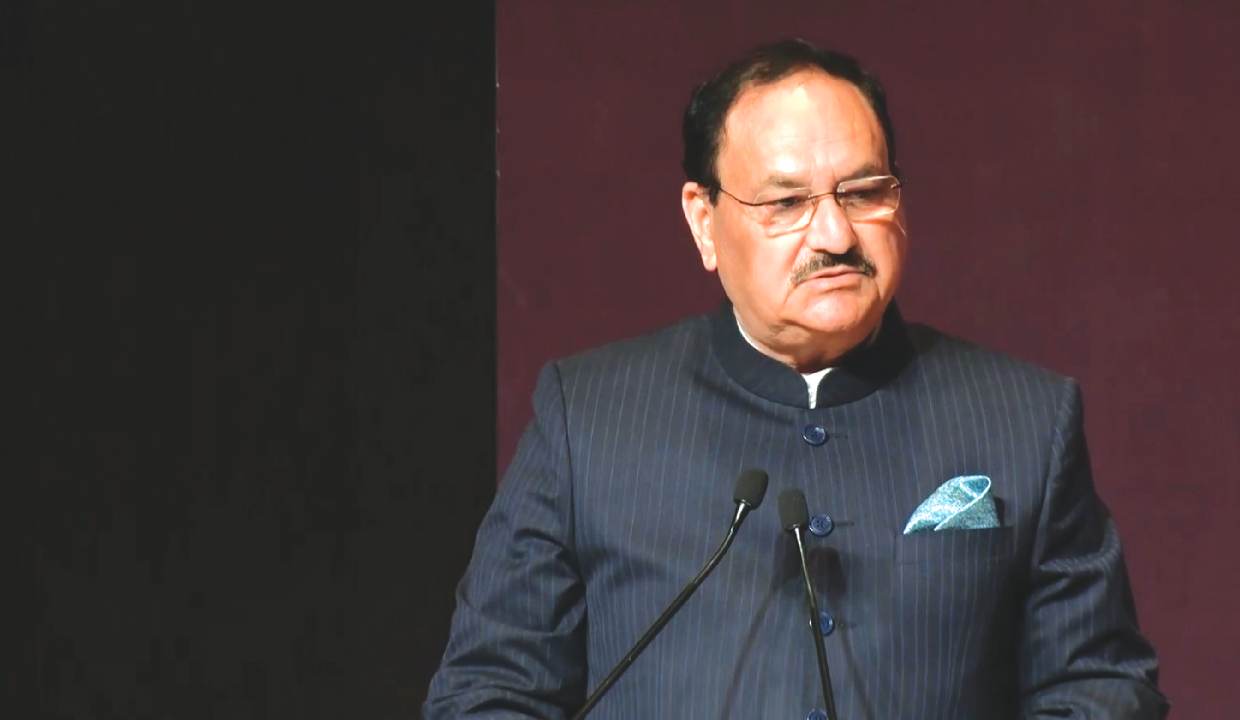
Union Health Minister JP Nadda on Monday said India views medical travel as a channel of cooperation that builds confidence and strengthens people-to-people ties between nations.
Addressing virtually the 8th edition of ‘Advantage Health Care India 2026’ organised by FICCI, he said India has undertaken comprehensive reforms to build a resilient, high-quality and globally aligned healthcare system. He underscored India’s healthcare transformation under the leadership of Prime Minister Narendra Modi. “The Government continues to strengthen the ecosystem supporting medical value travel by strengthening coordination across ministries, regulatory authorities, accreditation agencies and State Governments,” Nadda said.
He noted that medical travel acts as an instrument of diplomacy and cooperation. “We view medical travel as a channel of cooperation that builds confidence and strengthens people-to-people ties between nations.” He further added that medical value travel represents an important dimension of India’s healthcare engagement with the world.
It reflects our clinical excellence, international benchmark standards, transparent governance frameworks and unwavering commitment to patient-centric care.
“Highly skilled medical professionals and modern healthcare infrastructure of India offer advanced treatment across a wide range of specialities, including cardiology, oncology, organ transplantation, orthopaedics and neurosciences,” he emphasised.
Minister of State for Health and Family Welfare Prataprao Jadhav emphasised the global and collaborative nature of healthcare. “Healthcare today is no longer confined within national boundaries. It is shaped by collaboration, technology, knowledge-exchange and shared responsibility.”
Highlighting India’s integrated approach, Jadhav added that India’s healthcare ecosystem has evolved into a dynamic and integrated system, combining advanced clinical capabilities, digital health innovation, strong pharmaceutical capacity and a growing network of institutions committed to global engagement.
The minister also underlined the importance of traditional systems integrated with modern medicine, saying this integrated model of care reflects India’s broader vision, one that values innovation alongside tradition and treatment alongside prevention.
Dr Upasana Arora, chairperson, Services Export Promotion Council (SEPC), said that India was known only for affordability, but today India is known for high technology, best skills and holistic healing.
“We have significantly strengthened patient comfort, connectivity and seamless facilitation, and now we are doing this collectively as a country, positioning India not just as a cost-effective destination but as a trusted and comprehensive healthcare partner for the world,” she said.
Dr Raajiv Singhal, chair, FICCI Medical Value Travel (MVT) Committee, and founding member of Marengo Asia Healthcare, said that medical value travel has evolved from medical tourism to medical value travel because, at the end of the day, we are in the business of healthcare.
Dr Anupam Sibal, co-chair, FICCI MVT Committee, and group medical director of Apollo Hospitals Group, said that India offers the best of Western medicine combined with eastern wisdom.
“With this integrated approach, we will see India emerge as the preferred destination for medical value travel over the next five years,” he said.