Maharashtra ATS busts inter-state methamphetamine network
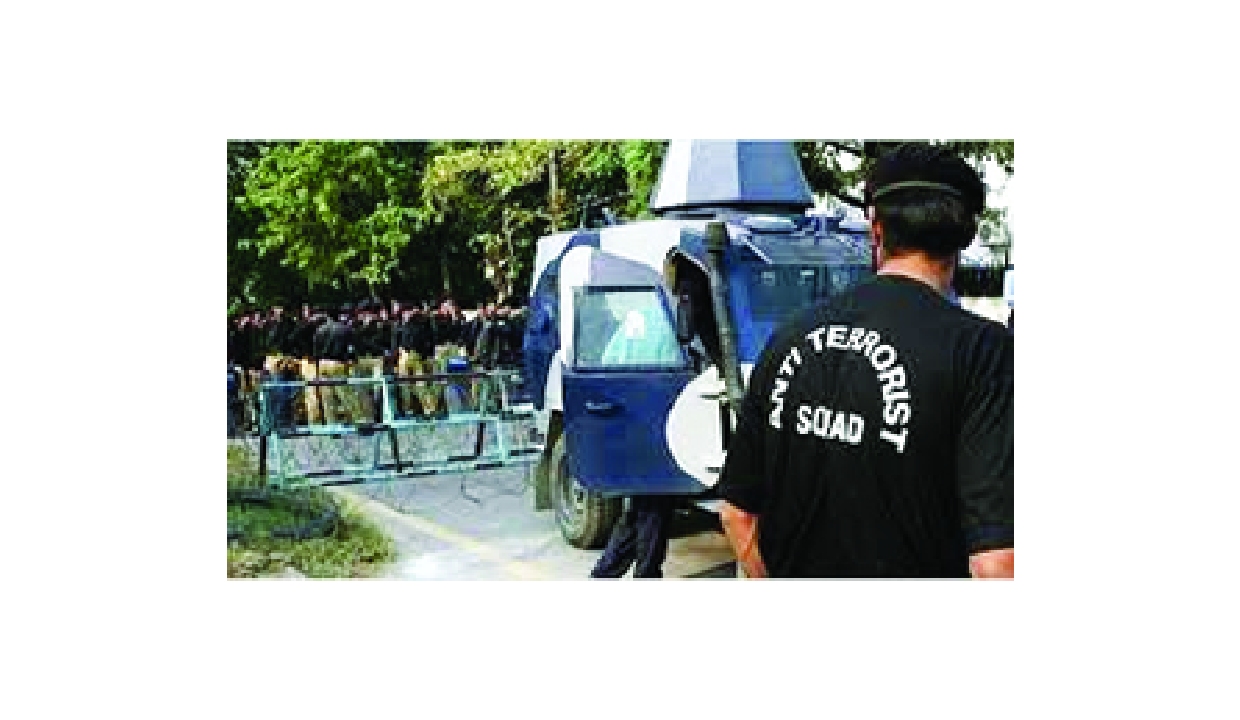
Maharashtra’s Anti-Terrorism Squad (ATS) seized 4.738 kg of methamphetamine worth Rs 9.4 crore in an inter-state operation that started in Bandra East and ended at a hidden factory in Greater Noida. Police arrested one Israeli man and two foreign women, and sealed the manufacturing unit.
On Tuesday, the ATS Kalachowki unit got a tip that a courier would be near Amber Hotel. Officers set up a trap on Anant Kanherekar Marg, near Bandra Court, and caught the suspect. They found 2,050 grams of the drug, worth Rs 4 crore. He was arrested under the NDPS Act. During questioning, he admitted he bought the drugs from a factory in Greater Noida to sell in Mumbai.
An ATS team, with help from local Uttar Pradesh police, raided the site the same day. Officers seized another 2,688 grams of the drug, worth Rs 5.4 crore, along with materials used for making it, and shut down the premises. Nawal Bajaj, Additional Director General of Police, ATS Maharashtra, confirmed both seizures and the three arrests.
During questioning, the arrested man said he bought the drugs from a factory in Greater Noida, Uttar Pradesh, to sell in Mumbai. The ATS, with help from local police, raided the factory and found another 2,688 grams of methamphetamine worth Rs 5.4 crore, along with materials used for making the drug. The factory was sealed. In total, officers seized 4.738 kg of methamphetamine, valued at about Rs 9.4 crore.
ATS is looking for women who are co-accused and are still missing, showing that the investigation is still in its early stages. This operation shows how synthetic drug networks are spreading across state borders. Methamphetamine, also known as crystal meth, is a growing concern for law enforcement because it is valuable and easy to produce in small units.
Greater Noida has been involved in several past cases with foreign nationals and secret drug facilities, partly because it is well connected to the National Capital Region. Officials said the ATS is now looking into where the raw materials came from, how the drugs were transported to Mumbai, and the exact roles of those arrested and any other people involved.
The involvement of foreign nationals has prompted investigators to look into possible transnational links. Because foreign nationals are involved, investigators are now checking for possible international connections. They are also trying to find out if the network reached other cities or distribution channels in Maharashtra. The NDPS Act has strict penalties for cases involving large amounts of these drugs. Authorities said sealing the Greater Noida factory was a clear blow to the supply chain. Still, they warned that synthetic drug operations often change locations quickly. They challenged traditional narcotics in both volume and profitability. The agency continues to work with counterparts in Uttar Pradesh to map the full extent of the racket.
Additional arrests and recoveries cannot be ruled out as custodial questioning and forensic examination of the seized materials progress. This case shows why police from different states need to work together to fight modern drug syndicates that take advantage of gaps between jurisdictions. Law enforcement agencies across India have increased their efforts against synthetic drugs because of growing worries about addiction and social problems, officials said.