Hilsa returns to upper Ganga after decades
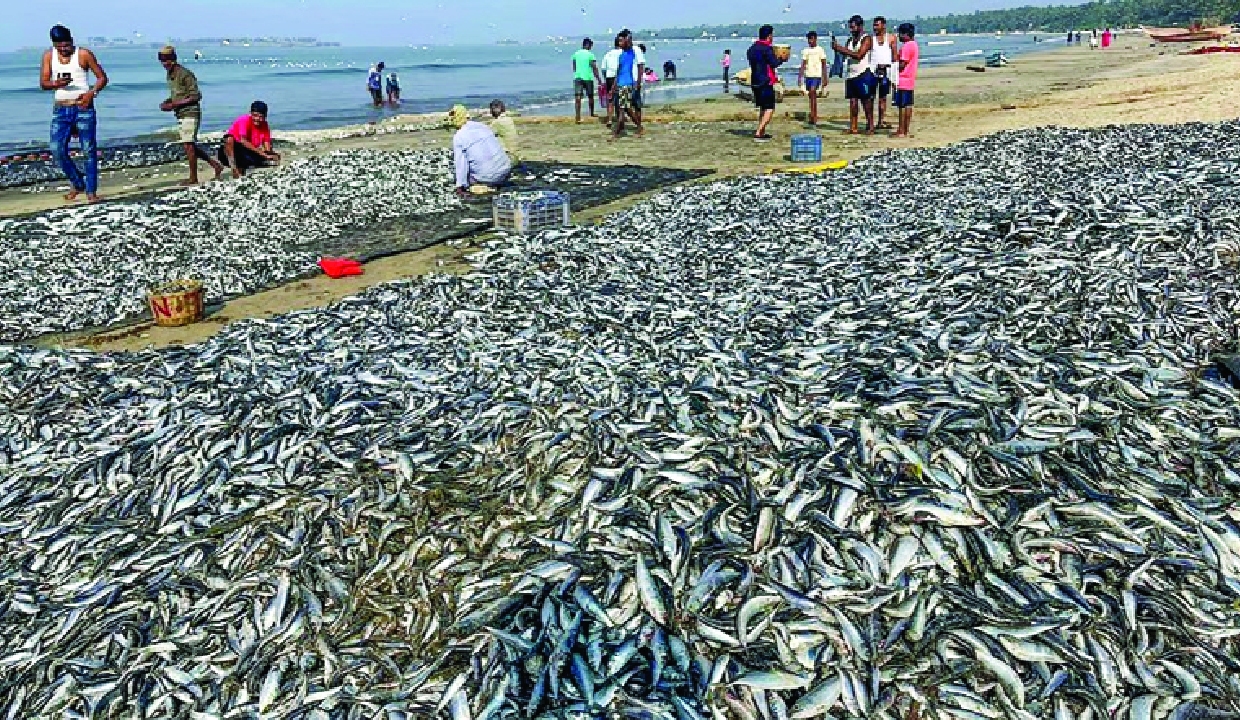
The hilsa fish has been recorded in the middle and upper stretches of the Ganga after remaining virtually absent from these reaches for decades, in what officials called a significant milestone in river restoration and aquatic biodiversity conservation.
According to the Central Inland Fisheries Research Institute (ICAR-CIFRI), two hilsa weighing a combined 740 grams were found in the river near Markandey Mahadev Temple in Chandauli district of Uttar Pradesh, nearly three decades after the species had vanished from the upstream reaches.
Historically, hilsa migrated from the Bay of Bengal through the Ganga system up to Varanasi, Prayagraj and beyond. However, the commissioning of the Farakka Barrage in 1975 severely disrupted its migratory pathway, causing a drastic decline in the middle and upper Ganga and affecting riverine fishing communities dependent on the species.
Recognising the ecological, nutritional, cultural and livelihood significance of the fish, ICAR-CIFRI, Barrackpore, and the National Mission for Clean Ganga (NMCG) had initiated a long-term scientific programme for Hilsa restoration.
Between 2019 and June 2026, ICAR-CIFRI implemented an integrated strategy involving river ranching, stock enhancement, artificial breeding, release of fertilised eggs and hatchery-produced spawn, tagging, post-release monitoring and stakeholder participation, the institute said in a statement.
More than 3.85 lakh juvenile and adult hilsa were ranched, while over 40 lakh fertilised eggs and approximately 9.4 lakh hatchery-produced spawn, aged two to six days, were released upstream of the Farakka Barrage, it said, adding that tagging and systematic monitoring provided valuable data on migration, survival and movement.
Monitoring during 2023-25 had earlier recorded upstream movement of ranched hilsa up to Mirzapur, indicating progressive restoration of the species’ historical range.
Since hilsa is a sensitive migratory species, its presence provides an important ecological signal of river connectivity and habitat suitability, the statement said, describing its return as a biological indicator of the Ganga’s improving ecological functionality.
Officials said the ICAR-CIFRI-NMCG partnership, which integrates fisheries science, river conservation, field interventions and community participation, demonstrates what sustained science, institutional commitment and collaborative public policy can achieve.
The return of hilsa offers hope for restoring other native and migratory aquatic species and reinforces the principle that rivers should be managed as living ecosystems rather than merely as channels for water management, the institute added.