Judicial controversies that rocked constitutional courts in 2025
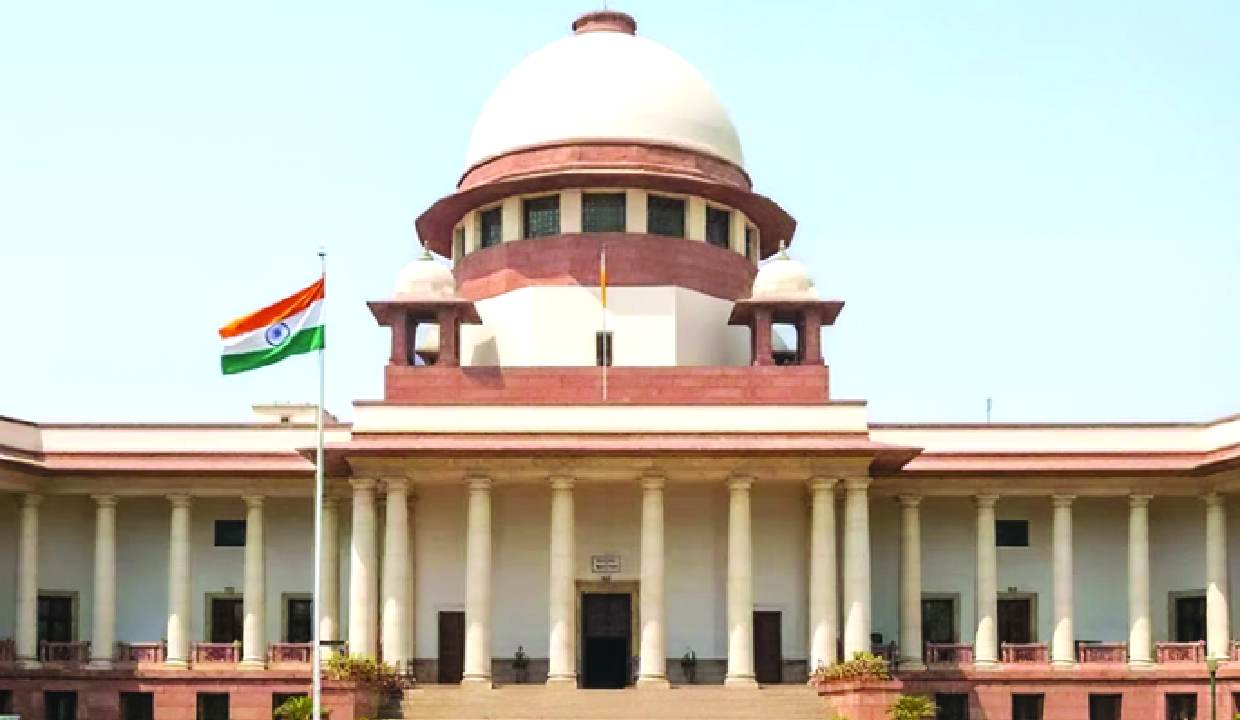
Supreme Court wrapped up 2025 in an UNPRECEDENT manner with two decisions on the same day and both perceived as under “public dissent” - staying Kuldeep Singh Sengar's bail and staying the November 20 order of the Supreme Court in which another 3-judge bench headed by then CJI Gavai had accepted the government-appointed Expert Committee definition of Aravali hills and range. Both cases shook the public's credibility of Constitutional courts.
While there could be two possible views on if Public Servant definition in Prevention of Corruption Act can be imported in POCSO, Delhi High Court could have done better to decide the main appeal itself by Sengar against his conviction than spending so much time on his bail and convict him under section 4 of POCSO if it wasn’t convinced on conviction under section 5, considering the turbulent history of this case. It was strange of Supreme Court to HASTILY accept the redefinition of Aravaliignoring the contentions of the Amicus Curiae and the Forest Survey of India Report.
It was equally unprecedented of Supreme Court to do a de facto review of this order without an application from the Govt or other aggrieved party. When already the November 20 order had put a moratorium on fresh mining lease in Aravali until the Management Plan for Sustainable Mining was done, what pressed the apex court to do a suomoto review of the order?
In November, in a Presidential reference Supreme Court undid a 2-judges bench judgment in State of Tamil Nadu Vs Governor of Tamil Nadu, which set specific timelines for assenting or withholding bills. In Presidential Reference 2012, the Supreme Court had frowned upon the UPA Govt for attempting to seek modification in its 2G case judgment in the garb of a Presidential Reference. In contradiction, the Supreme Court entertaining the Presidential Reference 2025 to covertly seek review of its judgment in the Tamil Nadu Governor caseis unprecedented if not illegal.
In a different league, the Delhi High Court in September issued a summons in a case allowing an estranged spouse to sue her partner’s lover for damages (monetary claim) for meddling in her marriage and hence “alienation of affection”.
This case stands alone in controversies, particularly from waste of precious judicial time and the oppression of personal freedom is protected under Article 21 of the Constitution.
This is the oddest case when it comes to moral policing by courts. Courts need to stop guardian-ing adults in their personal matters and understand that the law presumes citizens to be “reasonable men.” Courts are imposing the Victorian notion of marriage in the 21st century.
Most times, a bad marriage is the cause of extra marital relationship, not the effect. Recently, a bench comprising Justice VikramNath and Sandeep Mehta remarked that the Supreme Court has become a matrimonial and bail court. This judicial adventure by the Delhi High Court is a testimony to why Constitutional courts have become a matrimonial court.
In December, the Delhi High Court ruled that a husband can’t deny interim maintenance to a wife on the basis of her ancestral share and other inherited assets, but the husband’s capacity to pay will include not just his personal income but his interest in joint family assets and business. In 2026, hope the Constitutional courts will not pluck low hanging fruits by showing judicial adventure in matrimonial matters and will focus more on constitutional and governance matters.
The writer is a Supreme Court lawyer; views are personal