Investors sure about iffy Infy?
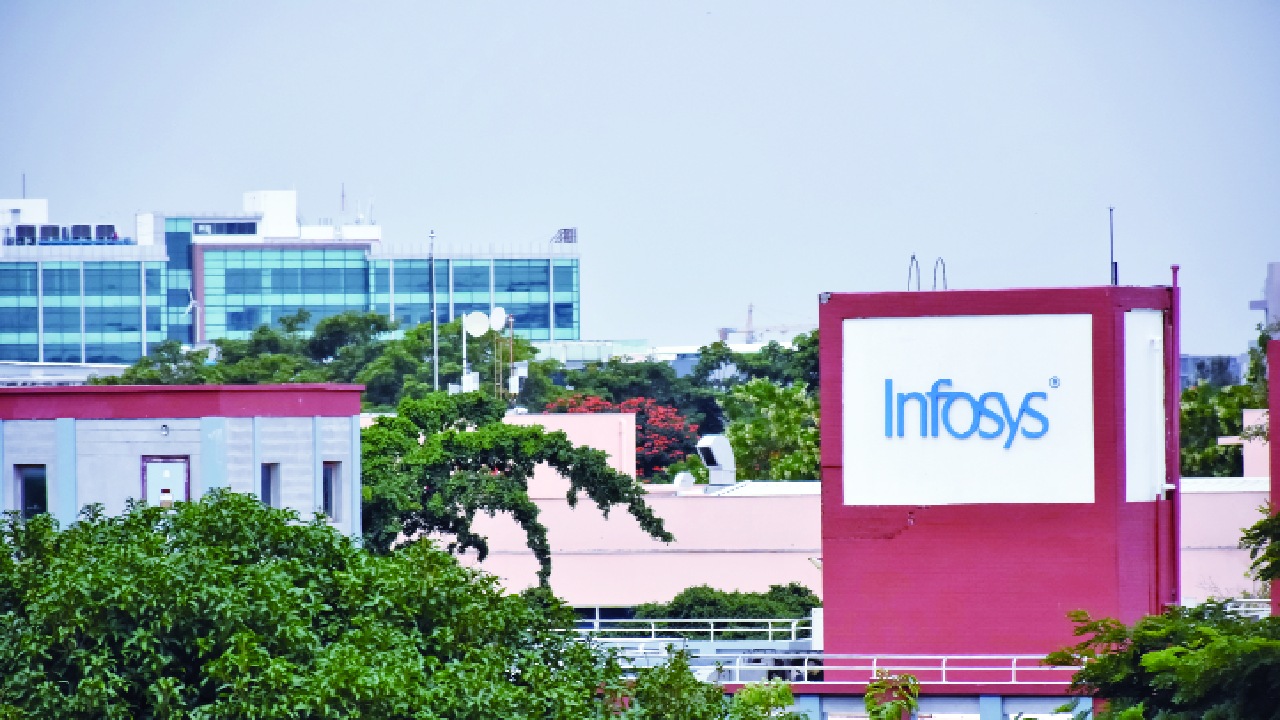
In the early trades Friday, the Infosys stock was up more than five per cent. Experts said that the main reason was the better-than-expected, and better-than-estimated financial results in the third quarter (October-December 2025) of this fiscal year. Over the past 12 months, the stock shed nearly 13 per cent, and reached a low of just above INR1,300, compared to the 52-week high of nearly INR2,000. In effect, the share price moved by INR700, or more than 50 per cent from its lowest quote. This is the story of most of the heavyweight IT and software stocks over the past 12 months. In the past few days, stocks of HCL Tech and TCS too have moved up. Experts feel that the sector is in for an investors-driven re-rating, which will be fueled by this quarter numbers, and those in the next few ones.
One of the exceptional trends in the early quarterly results is the rise in revenues. Most analysts expected this area to be one of strain and restraint due to the developments in the US market, and the overall global pattern of lower outsourcing by foreign clients. Hence, the revenue upswing was a surprise, even a shock for many. For example, in the case of Infosys, a constant current quarterly growth of 0.6 per cent quarter-on-quarter amazed analysts, as it was higher than expectations, and the market predicted a flat growth. If this was not enough, Infosys raised its FY-26 constant currency revenue growth guidance to 3-5 per cent, up from the earlier range of 2-3 per cent. Contrary to beliefs, the firm stated that it was witnessing “a steady discretionary tech spending, and renewed momentum in its core financial services business.” Clients were spending more than less.
It was not as if the existing clients were spending more. Infosys bagged new clients, even as it renewed the earlier deals. The “deal wins” in the third quarter of this fiscal year was nearly $5 billion, up from just over $3 billion in the previous quarter. What was more surprising, and optimistic was that nearly 60 per cent of the new deals were from new businesses, or fresh business additions, rather than the renewals of the existing ones whose periods had expired. One of the major deals was from the National Health Service of the UK. Analysts believe that such a strong deal activity, and getting deals from new customers, rather than existing ones, was a sign of demand recovery, and clients loosening their expenditure purses. Hence, the investors were enthusiastic about the topline. This was true for both TCS and HCL Tech, which grew the businesses.
Of course, like TCS and HCL Tech, Infosys witnessed a drop in net profits in the third quarter. The drop in the last case was nearly 10 per cent, year-on-year. In the three cases, the main culprit was the one-time costs due to the changes in the labour codes, which force firms to contribute more for gratuity and pension fund, and cash the leaves of the employees beyond 30 days. Like TCS and HCL Tech, the hit on the quarterly balance sheet of Infosys was nearly INR1,300 crore, which depressed the net profit. However, there is a curious trend here. In the case of new-age tech firms, and tech start-ups, as the recent IPOs (Initial Public Offerings) show, investors are focused more on profitability, rather than pure revenue-driven models. They have punished firms that have failed to generate profits. But in the IT and software sector, according to some analysts, “the markets appeared to look past the profit decline, focusing instead on revenue growth, deal momentum, and forward guidance.
So, while investors re-rate new-age tech firms, especially start-ups, on profits, and not revenues, they do the opposite for the older IT sector. One of the factors may be that despite the lower net profits of the top three IT firms, their margins remain robust. For example, in Infosys’ case, adjusted EBIT (earnings before interest and tax) stood at more than 21 per cent during the third quarter, which was “broadly” in line with the estimates and projections. The reported margin stood at 18.4 per cent. Thus, the one-time costs due to the changes in the labour laws may not impact the financial results in the future quarters. Although there will be wage adjustments, and employees’ costs are a significant portion of the expenditures of IT firms, the belief is that margins will remain intact, or even improve, if the topline growths remain visible, and on track and target.
What remains a significant difference between the top three IT firms is in hirings. Infosys reported the highest quarterly headcount in the past 11 quarters, and added more than 11,000 employees over the last two quarters. This shows the firm’s confidence in future growth, and expectations and execution of existing and new deals. In comparison, TCS and HCL Tec shed employees during the third quarter. In the case of TCS, the trend was the opposite of Infosys, as the former shed 11,000 employees during the quarter, after getting rid of another 19,000 in the previous one. Overall, TCS’ employee count was just over 5,80,000 in December 2025, compared to more than 5,90,000 in September 2025. In the case of HCL Tech, the overall headcount slipped by a minor figure, 261 employees, in December 2025. However, in the third quarter, the IT firm added nearly 3,000 freshers, which implies that it sacked a similar number of older and existing employees to hire new ones.
Given the results of Infosys, even as the share climbed by 5.5 per cent by 12 pm yesterday, the brokerage houses and analysts remain a bit cautious. Nomura retained a ‘buy’ call on the stock, with a target price of INR1,810, or more than INR100 higher than the present one. Emkay Global was more careful, and retained a ‘buy’ with a lower target price of INR1,750. It felt that despite better revenues, margins were below the expectations, although the upper end of the revised guidance for the future indicates improvements in the macro environment. Last year, 2025, was a bad one for the IT sector, with a series of bad news, largely emanating from America. Experts hope that the firms have taken these factors into account, and with a focus on AI, may be able to ride the obstacles, and win the race.