Inside Shanaka Kulathunga’s Silent Stories
The canvases that followed every single viewer straight back home
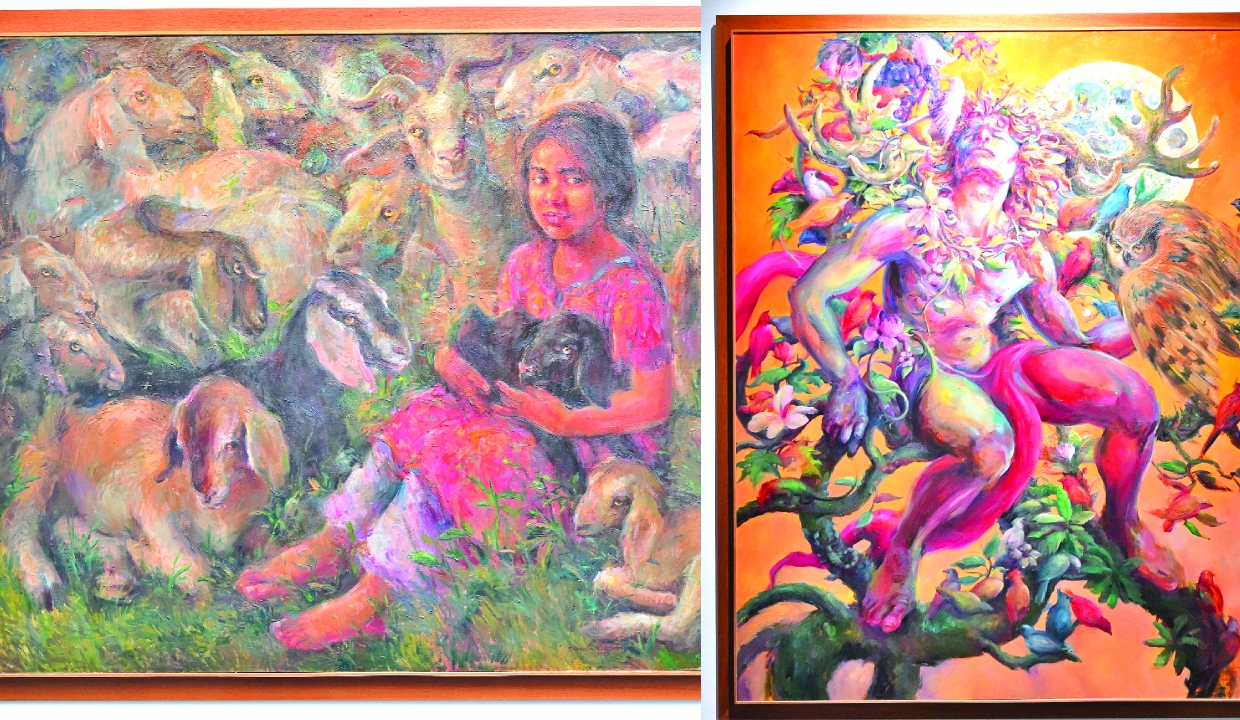
To stand before a Shanaka Kulathunga canvas is to confront an absolute reckoning. A specific, raw fear and deeply rooted pain drips from the earthy ochres and heavy slashes of pigment. These paintings capture the precise geometry of the hole left behind when someone turns away. Looking at The Harmonizer, the anchor piece of the Sri Lankan figurative painter’s first Indian solo exhibition titled Silent Stories, you realise immediately you are being asked to bear witness to lives society systematically ignores.
Brought to New Delhi by Vikram Mayor, Director of Gallery Silver Scapes, and housed within the CCA Gallery at Bikaner House, this expansive collection functions as an urgent documentary of the unseen. Kulathunga abandons the safety of traditional portraiture. He digs his brush into labourers, the elderly, the forgotten, and drags their quiet endurance into harsh gallery light. Spending time with Throne of the Wild reveals a human figure anchored so heavily into the landscape they feel almost captive. The surrounding erratic brushwork mirrors a mind actively wrestling with the trauma of memory and the brutal realities of rural displacement. The natural world in Kulathunga’s vision never serves as a passive backdrop. Creeping vines and oppressive shadows aggressively encroach on his subjects, illustrating how completely our environments can consume us. This same tension fractures the surface in Son of the Wind (Vayuputhra), where lofty cultural mythology slams directly into the gritty struggle of daily survival.
For the artist, bringing this intensely personal work across the border was an exercise in trusting that the specific moments that bruised his life might resonate on foreign soil. He holds a quiet faith that the unspoken weight of memory goes beyond geographic lines. That conviction was validated as New Delhi audiences found their own painful histories staring back at them. Kulathunga’s subjects refuse to remain confined to their wooden frames.