India-US travel corridor reflects stronger ties: VP
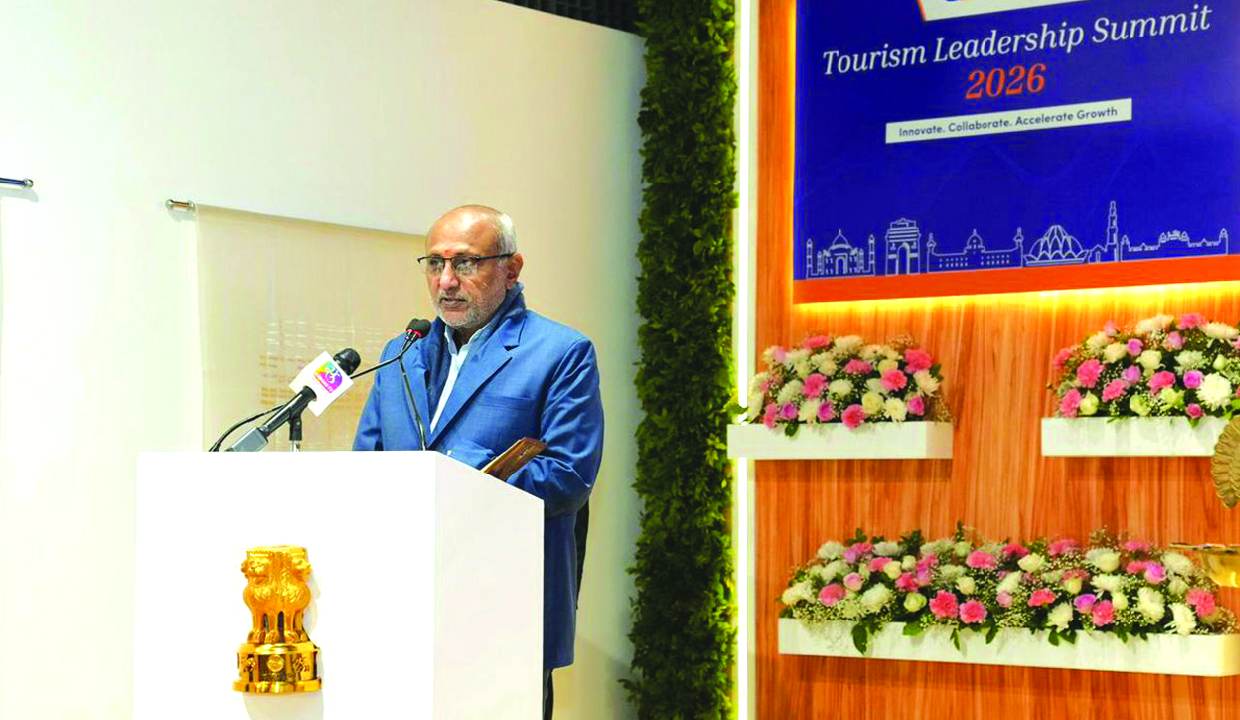
Vice President CP Radhakrishnan on Tuesday said the travel corridor between India and the United States reflects not only growing economic engagement but also deep people-to-people ties rooted in shared values, entrepreneurial spirit and a vibrant diaspora.
While addressing the US-India Strategic Partnership Forum’s USISPF Tourism Summit 2026, the vice president said that tourism is more than an industry, calling it a bridge between cultures and a global economic opportunity and a powerful instrument of soft diplomacy.
The VP said, “The travel corridor between India and the United States reflects not only growing economic engagement but also deep people-to-people ties rooted in shared values, entrepreneurial spirit and a vibrant diaspora.”
“Tourism is more than an industry. It is a bridge between the cultures and a global economic opportunity and a powerful instrument of soft diplomacy,” he said. The VP noted that travellers today seek experiences, authenticity, sustainability, culture, heritage, wellness and meaningful connections.
“This presents an extraordinary opportunity for both our nations to collaborate in building resilient and responsible tourism ecosystems,” he said.
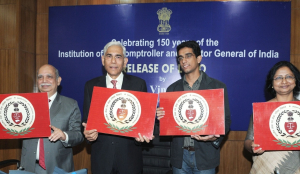
During the event, USISPF launched its report titled “State of India’s Tourism (2026)”, which was formally presented to the vice president by Union Minister for Tourism and Culture Gajendra Singh Shekhawat.
The summit, organised at the USISPF office here, brought together policy-makers, industry leaders and key stakeholders to deliberate on the future of India’s tourism sector. While on the other habd Vice President on Tuesday said migration is a global phenomenon driven by economic aspirations and stressed the importance of preserving identity, culture and traditions of states where the trend is prevalent.
Interacting with members of a youth delegation from West Bengal’s Darjeeling, who called on Radhakrishnan here, he highlighted the need for sustainable tourism and batted for environmentally responsible development to strengthen regional economies.
The members of the delegation posed questions on outmigration, sustainable tourism, disaster resilience, and sports infrastructure.
Referring to the vulnerability of hilly regions, the vice president underlined the importance of enhanced disaster preparedness, improved infrastructure and coordinated efforts, including initiatives such as the Coalition for Disaster Resilient Infrastructure (CDRI).