India, US reach framework for trade deal
India and the United States have agreed on a framework for an interim trade agreement aimed at easing trade tensions and providing immediate market relief, while preserving protections for sensitive sectors such as agriculture and dairy. The agreement, expected to be signed by mid-March, is seen as a precursor to a comprehensive Bilateral Trade Agreement (BTA).
“The US and India are pleased to announce that they have reached a framework for an Interim Agreement regarding reciprocal and mutually beneficial trade,” the joint statement said, highlighting the shared commitment to resilient supply chains and open markets.
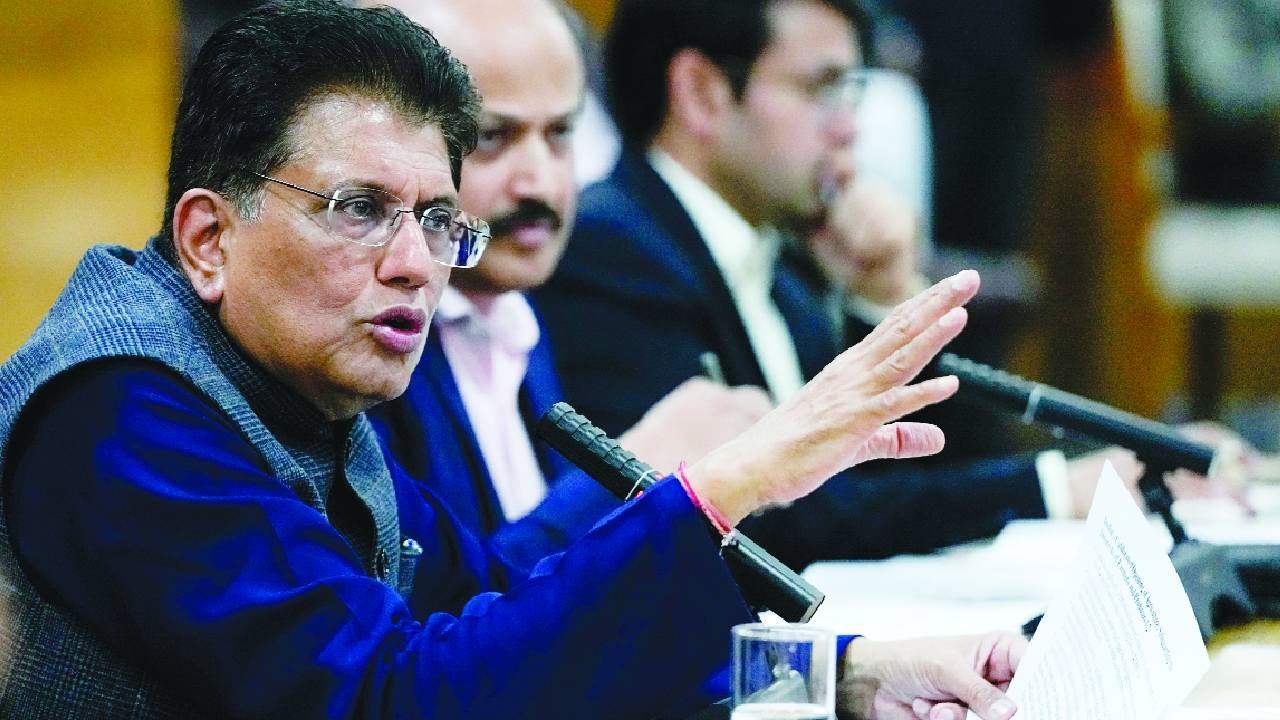
A major highlight of the framework is the reduction of tariffs on Indian manufacturing exports. The United States will apply a reciprocal tariff rate of 18 per cent on Indian-origin goods, covering textiles, apparel, leather, footwear, plastics, rubber products, organic chemicals, home décor, artisanal products and select machinery. Commerce and Industry Minister Piyush Goyal said, “This framework will open a $30 trillion market for Indian exporters, especially MSMEs.”“Tariff reductions will create new export and employment opportunities,” said Goyal
India has reciprocated by agreeing to eliminate or lower tariffs on all US industrial goods, signalling a more balanced trade relationship. India has agreed to reduce or remove tariffs on certain US agricultural products such as dried distillers’ grains, red sorghum, tree nuts, soybean oil, and wine and select fruits. At the same time, the government has ensured that sensitive items remain fully protected.
Goyal emphasised, “No concessions have been extended to sensitive agricultural sector produce in grains, fruits, vegetables, spices, oilseeds, dairy, poultry, & meat. Farmers’ interests remain paramount in all trade negotiations.” He added, “The agreement reflects India’s commitment to safeguarding farmers’ interests and sustaining rural livelihoods.”
The interim framework includes the removal of reciprocal tariffs on a wide range of Indian generic pharmaceuticals, while outcomes for pharmaceutical ingredients will depend on a US Section 232 investigation.
The deal also addresses longstanding non-tariff barriers for US medical devices. Goyal noted that India would work on regulatory and market access issues to ensure smoother trade in this sector. India will receive a “preferential tariff-rate quota” for automotive parts currently subject to US national security tariffs. In aviation, the US will remove tariffs on certain Indian aircraft and aircraft components. The agreement also envisions expanded purchases of US aircraft and aviation equipment by India.Both countries have pledged to expand trade in technology products, including GPUs and data centre equipment. India has also indicated plans to purchase $500 billion worth of US energy products, aircraft, technology goods, precious metals, and coking coal over the next five years.
The framework outlines plans to tackle digital trade barriers and establish “robust, ambitious, and mutually beneficial digital trade rules” as part of the BTA.The deal includes measures to strengthen economic security and supply chain resilience, with cooperation on investment screening, export controls, and standards.
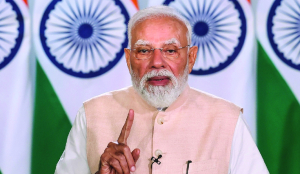
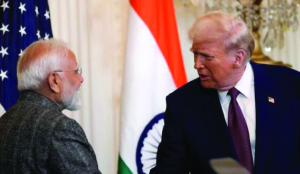
Prime Minister Narendra Modi said, “This framework reflects the growing depth, trust and dynamism of our partnership. It will strengthen ‘Make in India’ and generate large-scale employment. As India moves forward towards building a Viksit Bharat, we remain committed to building global partnerships that are future-oriented.”The interim agreement will be implemented promptly, with both nations aiming to transition to a full-fledged Bilateral Trade Agreement in line with an agreed roadmap.
US drops 25% tariffs on India for Russian oil imports
New York/Washington: US President Donald Trump has removed the 25 per cent tariffs he imposed on India for purchasing Russian oil, citing that the country has undertaken “significant steps” and New Delhi has committed to stop directly or indirectly importing oil from Moscow.
“I have received additional information and recommendations from senior officials regarding India’s efforts to address the national emergency described in Executive Order 14066. Specifically, India has committed to stop directly or indirectly importing Russian Federation oil, has represented that it will purchase energy products from the United States, and has recently committed to a framework with the United States to expand defence cooperation over the next 10 years,” Trump said in an executive order on Friday.
The US President said that after considering the information and recommendations provided to him, he has determined that “India has taken significant steps to address the national emergency described in Executive Order 14066 and to align sufficiently with the United States on national security, foreign policy, and economic matters.