India tightens blacklist rules for foreign nationals
India has tightened its rules for placing foreign nationals on a deny-list or blacklist, adding more reasons to refuse entry or stay. The new immigration and blacklisting guidelines now specifically mention cybercrime, child abuse, child trafficking, cryptocurrency racketeering, financial support for terrorism, money laundering, and hawala.
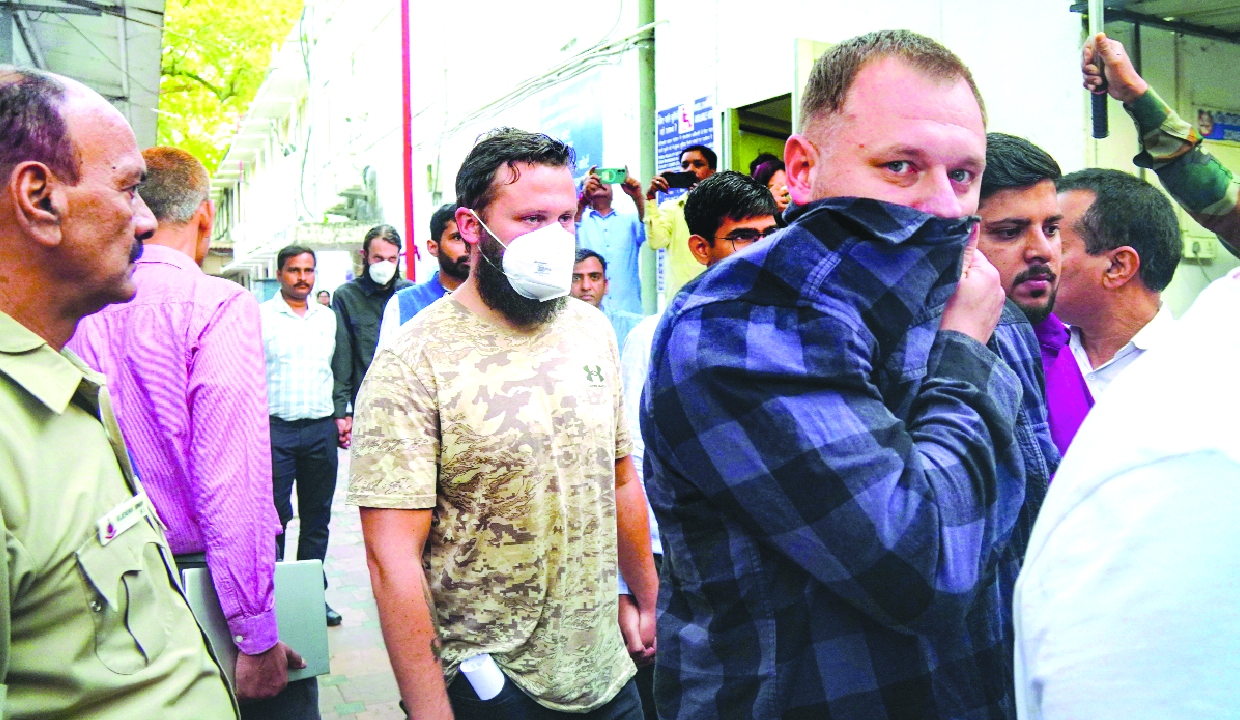
According to senior officials, the guidelines were created and shared while US national Matthew Aaron VanDyke and six Ukrainians—Hurba Petro, Taras Slyviak, Ivan Sukmanovskyi, Marian Stefankiv, Maksim Honcharuk, and Viktor Kaminskyi—were in jail after being arrested by the National Investigation Agency (NIA) in March 2026. It is alleged that they trained Myanmar-based ethnic armed groups in drone warfare.
While the seven were arrested under anti-terror laws, the chargesheet submitted before the court in September 8 restricted their charges to visa violations and illegally entering India. The agency was criticised for not including terror charges against the accused. The case has drawn attention to how these rules work alongside ongoing security investigations.
The new rules expand on the previous system. Foreign nationals could already be blacklisted for serious crimes, immigration violations, using fake documents, security threats, anti-national activity, espionage, terrorism, drug trafficking, human trafficking and currency racketeering, including cryptocurrency, as well as cybercrime.
The updated guidelines now also cover financial support for terrorism or subversive acts and broaden human trafficking to include child trafficking.
The grading system remains the same. Grade A is for the most serious cases, such as foreigners convicted of or involved in major security or criminal offences, people seen as security risks, members of groups banned under the UAPA, those listed by the United Nations, and certain cases involving fake or fraudulently obtained travel documents or visas. Only a Joint Secretary in the Ministry of Home Affairs or the Commissioner of the Bureau of Immigration can take Grade A action.
Grade B applies to people convicted of or involved in crimes under Indian law that carry less than three years in prison, except for offences under the Immigration and Foreigners Act. It also includes repeat violations of that Act and its rules. Grade B covers certain visa violations by nationals of Afghanistan, Bangladesh, and Pakistan, except for six minority communities, as well as cases involving FEMA violations, financial irregularities, illegal funding, and tax evasion.
In rare situations, foreigners who threaten, abuse, or misbehave with immigration officials, or block the immigration process, can also be blocklisted, but only with clear evidence and the Commissioner’s approval.
Grade D covers less serious cases, such as some overstays or failure to register for up to 90 days by nationals of Afghanistan, Bangladesh, and Pakistan, with the same exception for six minority communities. It also covers other minor offences. Foreign minors up to seven years old will not be blocklisted. The 2025 immigration rules also require the Bureau of Immigration to maintain an updated list of foreigners banned from entering and to review these cases regularly.