India seen as growth anchor amid challenging global conditions: CII
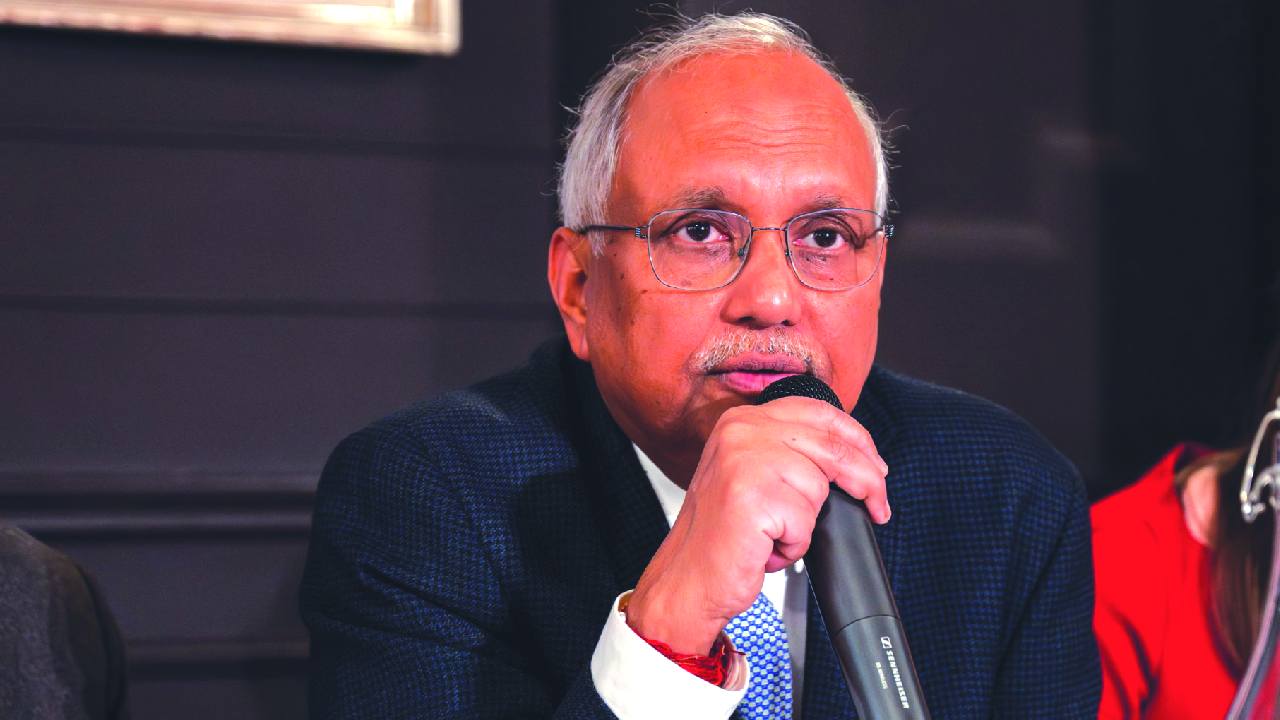
As the World Economic Forum annual meeting drew to a close, apex industry body Confederation of Indian Industry (CII) said on Friday India was cited as a long-term reliable growth anchor amid geopolitical concerns hogging the discussions.
CII Director General Chandrajit Banerjee said that the mood at Davos could be best described as cautiously optimistic and strategically focused. “Geopolitics clearly shaped the backdrop, but it didn’t crowd out the economic agenda, rather it sharpened it.
Leaders and investors used the moment to rethink supply chain resilience, trade diversification, and capital allocation toward economies that offer stability, scale, and policy predictability,” he said.In that context, India was frequently cited as a credible long-term growth anchor, given its macroeconomic stability, large domestic market, and sustained reform momentum, Banerjee said.
He further said AI emerged as one of the most dominant themes at Davos this year, cutting across virtually every sector and policy discussion. “Within this context, India is widely seen as well positioned to capitalise on this AI inflection point, combining a large and digitally enabled market, one of the world’s deepest pools of STEM talent, a rapidly expanding data ecosystem, and a strong foundation of digital public infrastructure,” he added.Banerjee said India has positioned itself as an active contributor to the global conversation on responsible and inclusive AI, advocating interoperable standards, trusted data flows, and innovation partnerships that balance openness with digital sovereignty.
The shared understanding is that AI is no longer a frontier technology; it is becoming core economic infrastructure, shaping competitiveness, investment decisions, and national growth strategies for the decade ahead, he pointed out.
He said India has demonstrated remarkable resilience amid a challenging global environment, and to sustain this momentum, India needs to sharpen strategic priorities. Supply-side disruptions are increasingly likely in various parts of the world, and more importantly, they are becoming structural rather than temporary, he added.
“Overall, commodities with high supply concentration and limited short-term substitutability, across both food and industrial inputs, are the most vulnerable. “This underscores
the strategic importance of diversification, regionalisation, and resilience-building in global and Indian supply chains,” he said.