India’s $44 billion exports to get zero tariffs in US
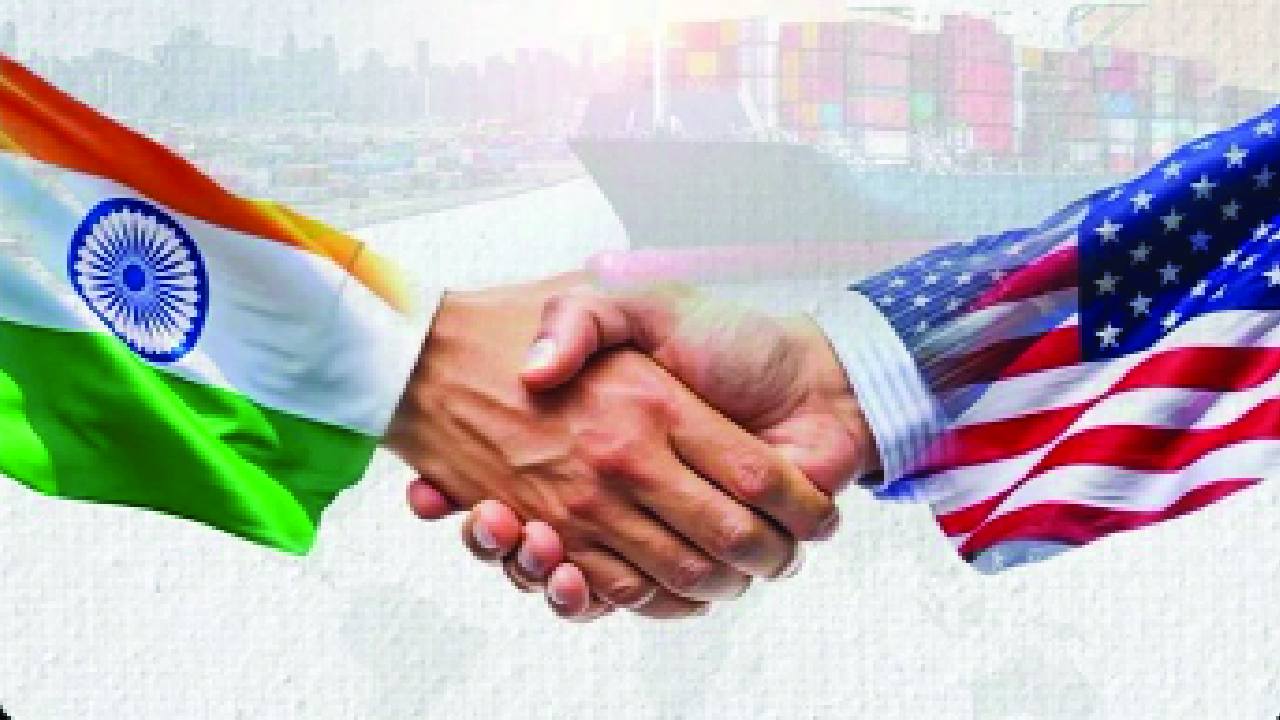
Indian exports worth nearly $44 billion are set to enjoy zero reciprocal tariffs in the United States under the first phase of the proposed bilateral trade agreement, Commerce and Industry Minister Piyush Goyal announced on Saturday.
The interim trade pact, expected to be signed by mid-March, marks a major step toward enhancing bilateral trade and strengthening economic ties between the two countries. “The agreement will significantly cut US reciprocal tariffs on Indian products,” Goyal said, highlighting that an executive order is expected soon to reduce certain tariffs from 25 per cent to 18 per cent. Around $44 billion worth of Indian exports will enter the US market without reciprocal duties.
Under the pact, the US will reduce tariffs on Indian goods across multiple sectors from 50 per cent to 18 per cent, while India will remove or lower duties on all American industrial products and a wide range of agricultural and food items. These include dried distillers’ grains, red sorghum for animal feed, tree nuts, fresh and processed fruits, soybean oil, wine and spirits.
Goyal explained that about $30 billion worth of Indian goods, largely from labour-intensive sectors such as textiles, apparel, leather and footwear, will continue to face an 18 per cent tariff. Duties on goods worth $12 billion, including steel, copper, aluminium, and certain auto components, will remain unchanged. “Tariffs on steel, aluminium, copper, and auto parts are applied uniformly to all countries and therefore do not affect India’s competitive position,” he noted.
In 2024-25, India-US bilateral trade reached $186 billion, with Indian exports at $86.5 billion and imports at $45.3 billion, resulting in a trade surplus of $41 billion for India.
Goyal stressed that the interim deal is just the first phase of a comprehensive bilateral trade agreement and will help both nations work toward the ambitious $500 billion trade target by 2030. “The pact unlocks major opportunities in the $30 trillion US market and benefits MSMEs, farmers, fishermen, youth and women entrepreneurs,” he said.
Sensitive sectors have been protected, with no concessions on products such as meat, dairy, GM foods, cereals, millets, pulses, oilseeds, honey, beverages, ethanol, and tobacco, ensuring the pact does not compromise India’s agricultural and rural interests.
Emerging industries are also set to benefit. Goyal said the agreement would provide India access to advanced US equipment, semiconductors, ICT products, machinery, pharmaceuticals, and medical devices. “The US is a leading global supplier in these areas, making the agreement especially beneficial for India,” he added.
The interim trade framework is expected to create immediate growth opportunities for labour-intensive industries, boost exports in sectors such as textiles, gems and jewellery, machinery, toys, leather goods, home décor, smartphones, and agriculture, and expand cooperation in emerging technologies including data centres, artificial intelligence, and quantum computing.