India protects its agriculture, dairy sectors in US trade deal
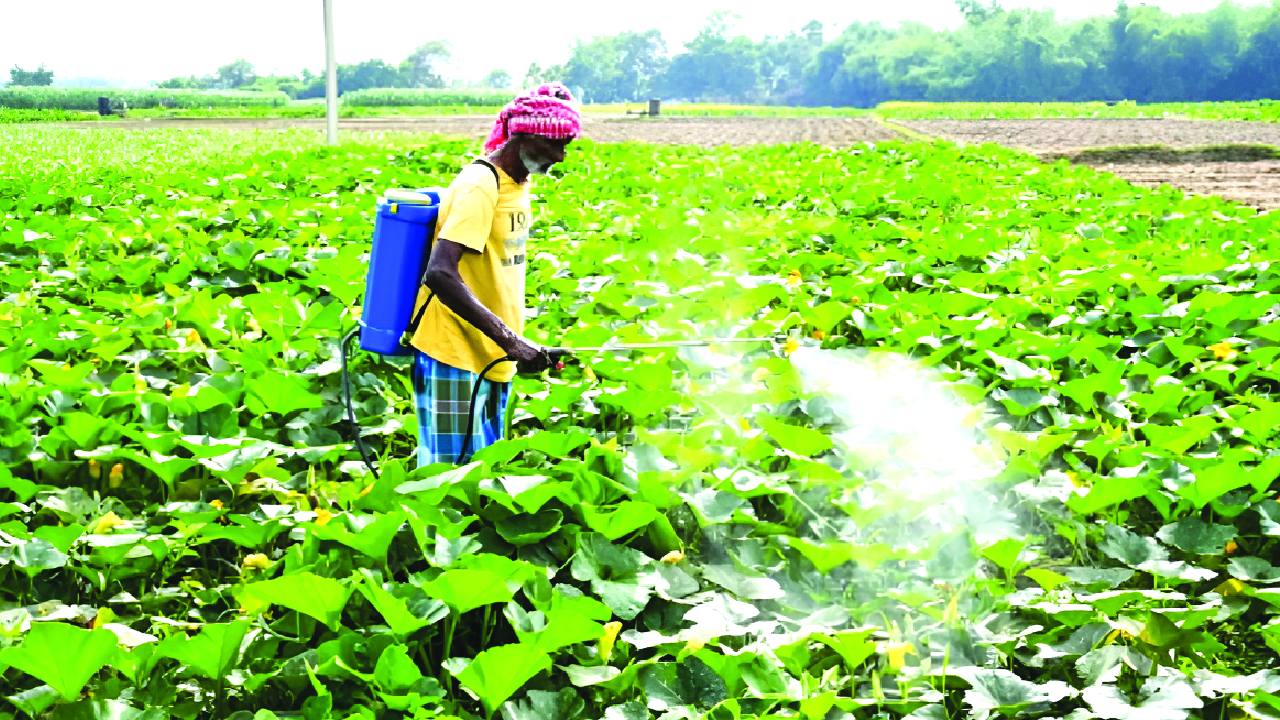
India has completely protected the interests of its agriculture and dairy sector in the India-US trade agreement. It is essential to understand why India is protecting its agriculture and dairy sector. Here is a list of key pointers to explain the issue:
Agri is sensitive in India: Agriculture and allied activities such as animal husbandry form the backbone of India’s rural economy, providing employment to over 700 million people. Unlike in developed economies, where agriculture is highly mechanised and corporatised, in India, it is a livelihood issue.
Granting import duty concessions in agriculture for companies of developed countries that heavily subsidize their farmers would mean an influx of cheap food grains and products into India. It would severely impact Indian farmers’ incomes and livelihoods.
Global agri trade scene: As per reports, over 90 per cent of global food trade is controlled by about five multinational corporations that have historically used predatory pricing strategies. If India reduces protection, domestic farmers could be at the mercy of these global giants, leading to severe political and economic consequences. This makes agriculture a contentious issue for the Indian Government.
Developed nations seek greater market access: Agriculture in India is not just an economic activity but a way of life, supporting over 700 million people. India is largely self-sufficient in food production, whereas for countries like the US, Australia and the European Union, agriculture is a major trade industry.According to a report, in 2024, US agricultural exports stood at $176 billion, accounting for about 10 per cent of its total merchandise exports. With large-scale mechanised farming and heavy Government subsidies, the US and other developed countries view India as a lucrative market to expand their exports.
Agri protection: India’s agriculture sector is currently protected by moderate to high tariffs or import duties and regulations to shield domestic farmers from unfair competition. Opening up a sector means reducing import curbs and duties.Kind of import duties in India on imports: India maintains a tariff structure ranging from zero to 150 per cent to protect its agricultural sector. The US also imposes higher tariffs on select agricultural goods — for instance, tobacco (350 per cent).
Additionally, the US applies complex non-ad valorem (NAV) tariffs that make imports more expensive, a fact often overlooked in trade discussions, according to an expert.USA’S agri exports to India: The US agri exports to India were $1.6 billion in 2024. Key exports include — Almonds (in shell - $868 million); Pistachios ($121 million), Apples ($21 million), Ethanol (ethyl alcohol - $266 million). Trade experts have stated that the US provides massive subsidies to its farm sector and in fact in some years, the subsidy level exceeded 50 per cent of production value for certain products, such as: Rice (82 per cent), Canola (61 per cent), Sugar (66 per cent), Cotton (74 per cent), Mohair (141 per cent), Wool (215 per cent).
Are all agri products sensitive?: Given that over 50 per cent of India’s population relies on agriculture for its livelihood, India treats the entire sector as sensitive. Import or customs duties are particularly important for staple crops, dairy, and key farm products that sustain rural livelihoods.WTO norms: India’s agricultural tariffs do not violate WTO commitments. The rules allow member countries to protect sensitive sectors, particularly those linked to food security and rural employment, which are crucial for India.
India’s agri exports: In FY 2025, India’s total agricultural exports increased to over $51 billion from $45.7 billion in 2023-24, with a portion of this going to the US ($5 billion). India’s total exports in FY25 were $437 billion. India aims to reach $100 billion in combined exports of agriculture, marine products and food and beverages in the next four years.India is the world’s second-largest agricultural producer by value, accounting for just 2.2 per cent of global farm exports, up from 1.1 per cent in 2000, according to World Trade Organisation data.
The main exports include tea, coffee, rice, some cereals, spices, cashew, oil meals, oil seeds, fruits and vegetables.
Non-tariff issues in agri: Tariffs are only part of the trade equation. Non-tariff measures also play a significant role in restricting market access.
According to GTRI Founder Ajay Srivastava, the US has complex sanitary and phytosanitary (SPS) regulations that often act as disguised trade barriers.For instance, the Maximum Residue Limits (MRLs) imposed by the US on pesticides and chemicals in agricultural products are among the most stringent in the world, making compliance difficult for developing countries, including India.