India plans evacuation as Iran closes its air space
A day ago the Indian Embassy in Iran asked all nationals — including students, pilgrims, businesspersons and tourists — to leave the country using available means, including commercial flights and now New Delhi is drawing up contingency plans to bring back Indian nationals from Iran as the security and political situation there remains volatile, with officials keeping a close watch on developments amid fears of possible US military action, sources familiar with the matter said on Thursday.
Officials estimate that around 10,000 Indians are currently in Iran, a significant proportion of them students enrolled in universities and religious institutions across the country. Any evacuation effort, if activated, is expected to prioritise students, who are considered particularly vulnerable given the uncertainty on the ground. The Indian embassy in Tehran has begun efforts to assess how many Indians wish to return.
However, these efforts have been complicated by restrictions on internet access and patchy telecommunications following widespread unrest in Iran. As a result, embassy officials are relying heavily on physical outreach and direct coordination with educational institutions that host Indian students.
“The focus right now is on establishing contact and understanding the numbers,” a source said, adding that operational decisions would depend on multiple factors, including airspace clearances, aircraft availability, and the evolving security situation. A first evacuation flight could be arranged at short notice if conditions permit, the source said.The Ministry of External Affairs (MEA) has standard procedures in place for emergency evacuations, including the possible use of military aircraft if required. Officials emphasised that preparations do not necessarily indicate an imminent evacuation, but reflect a precautionary approach in light of regional tensions.
On Wednesday, the Indian embassy in Tehran issued an advisory asking Indian students, businesspersons, pilgrims and tourists to consider leaving Iran using available commercial transport options. Separately, the MEA in New Delhi advised Indian citizens to avoid travel to Iran until further notice.
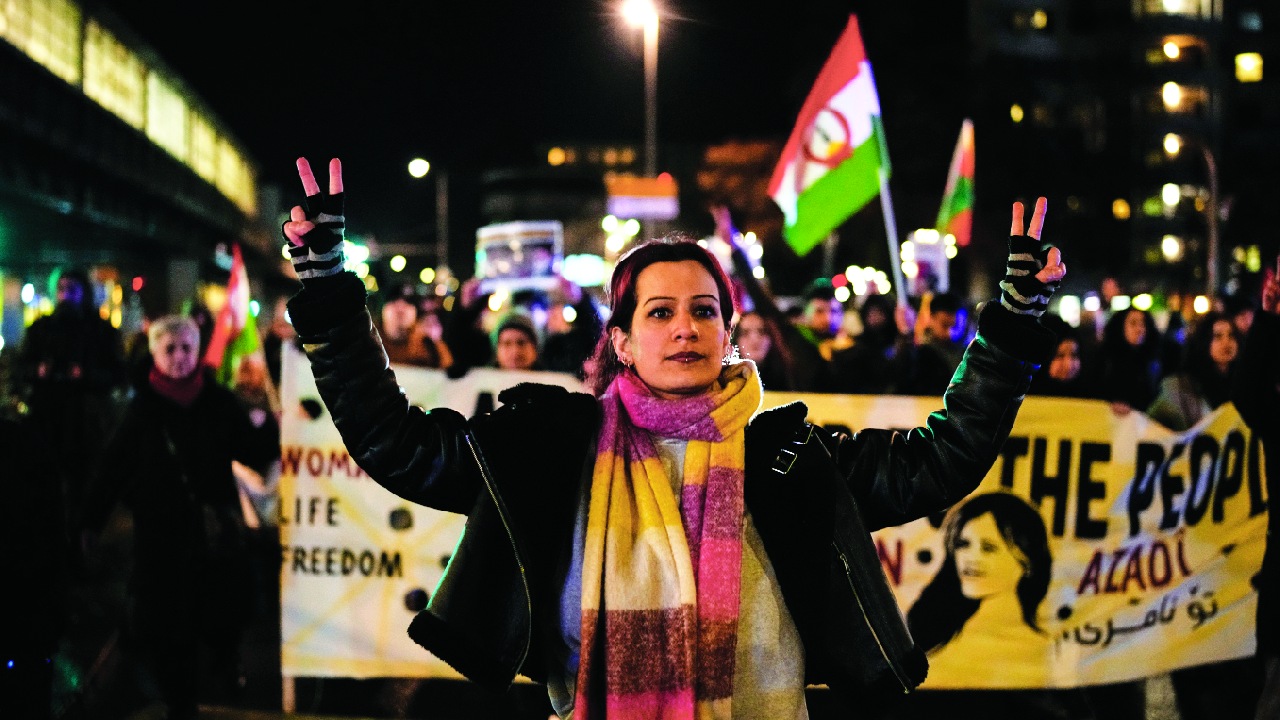
Iran has witnessed sustained anti-government protests since late December, triggered by economic distress and inflation, which later broadened into demonstrations against the political system. International reports suggest that the crackdown on protests has resulted in significant casualties, though official figures remain disputed. The unrest has heightened tensions between Tehran and Washington, with US President Donald Trump warning of strong action if Iranian authorities continue to use force against protesters.
Amid these developments, Iranian Foreign Minister Seyed Abbas Araghchi spoke to External Affairs Minister S. Jaishankar on Wednesday evening to discuss the situation. The conversation also addressed Araghchi’s decision to postpone a scheduled visit to India.India’s position has become more delicate in recent weeks following renewed pressure from the US, including threats of punitive tariffs on countries maintaining trade ties with Iran. For New Delhi, the immediate priority remains the safety of its citizens, particularly students, as uncertainty continues to grip the region.
The situation in the country has taken a turn for the worse, with weeks-long protests showing no signs of slowing down. On Tuesday, US President Donald Trump called upon protesters to take over their institutions, urging them not to back down. Without providing further details, he said that help was on the way.US President Donald Trump said he had been informed that the violence in Iran had subsided, but stressed that military options remain under consideration in response to Tehran’s handling of the protests.
Human Rights organisations estimate that more than 2,400 people have died during a sweeping security crackdown launched by Iranian authorities to quell demonstrations that spread across the country.Trump made the remarks on Wednesday as the United States and the United Kingdom scaled back staffing levels at the Al-Udeid air base in Qatar. US officials described the move as a precaution, according to media report.
Amid rising regional tensions, Iran briefly shut its airspace overnight, disrupting commercial aviation. Several airlines subsequently announced plans to divert flights away from Iranian airspace.The aircraft had barely settled into its climb when the route ahead vanished from the map.
On Thursday morning, as tensions rose thousands of kilometres away, Indian skies felt the ripple. Iran’s sudden decision to shut its airspace-triggered by internal unrest and an escalating standoff with the United States-sent commercial flights scrambling for alternatives. Some turned back. Others never left the ground.At Delhi airport, passengers bound for New York watched departure boards flicker from on time to cancelled. Two Air India flights were recalled midair, their crews forced to abandon westbound paths that usually cut cleanly across Iran. With Pakistan’s airspace already closed, the detours left little room for fuel calculations or second chances.
Airlines warned of delays and disruptions, asking travellers to check their flight status before leaving home. Behind the scenes, costs mounted as planes were pushed onto longer, fuel-heavy routes over unfamiliar corridors. For some destinations, rerouting simply wasn’t possible.IndiGo’s services to Central Asia, Europe and Turkey were also hit, while SpiceJet echoed similar concerns. Each airline spoke of safety first, but the uncertainty lingered-an invisible reminder of how quickly distant conflicts can intrude into ordinary journeys.
By nightfall, the airspace remained shut, and the skies over Iran stayed quiet. On the ground in India, however, the effects were unmistakable: delayed reunions, altered plans, and the uneasy sense that global tensions were no longer far away, but flying alongside.
UN to meet on Iran crisis
New Delhi: The United Nations Security Council will hold a meeting on Thursday at the request of the United States to examine the rapidly worsening situation in Iran, where large-scale protests and rising international tensions have drawn global concern. The session follows mounting scrutiny of Tehran’s response to demonstrations and speculation over possible U.S. involvement.
Iran has witnessed sweeping protests in recent weeks, marking one of the most serious waves of unrest in years. Human rights organisations claim that thousands have been killed during confrontations between protesters and security forces, as authorities intensify efforts to restore control and silence dissent.
Against this backdrop, Washington has begun pulling out some personnel from U.S. military installations across the Middle East as a precautionary measure. According to Reuters, a senior Iranian official said Tehran had cautioned neighbouring states that any U.S. attack on Iran would prompt strikes on American bases located on their soil.
U.S. President Donald Trump has stepped up his rhetoric, encouraging Iranians to continue demonstrating and warning of severe consequences should executions of protesters take place. At the same time, he has signalled restraint, indicating that his administration is closely monitoring developments while keeping its options open.
Tehran has firmly denied allegations that it intends to carry out executions, insisting that such claims are unfounded. Iranian leaders have also accused Washington of fuelling unrest and interfering in the country’s internal affairs, formally raising these concerns with the United Nations and reaffirming their commitment to defending national sovereignty.
Reactions from the international community remain divided. Several regional players, including Turkey, have urged calm and rejected the idea of foreign military action, calling instead for dialogue and diplomatic solutions. Western countries, however, have strongly criticised Iran’s handling of the protests and indicated they may consider further steps, including additional sanctions.
As the Security Council prepares to deliberate, the situation in Iran continues to command international attention, with fears that prolonged unrest and escalating rhetoric could have far-reaching consequences for the wider region.