India needs strategic buffers to navigate energy shock: CEA Nageswaran
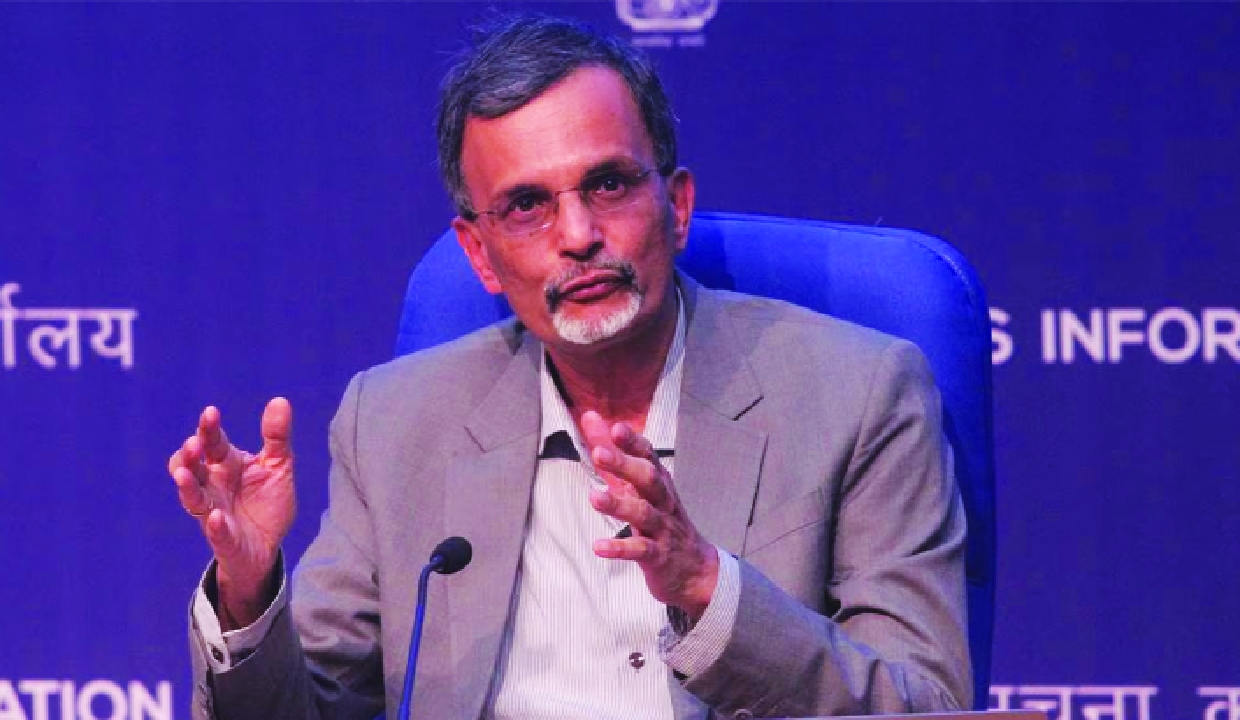
Chief Economic Advisor V Anantha Nageswaran on Saturday said India needs to create strategic buffers in the face of the “most difficult” energy shock that the country is facing amid the West Asia crisis.
Nageswaran also said the rising prices of fertiliser and petroleum products globally due to the crisis will make it challenging to achieve the 4.3 per cent fiscal deficit target for the current fiscal, while below normal monsoon and pass-through of higher energy prices could lead to “potential inflation spike”.
He also said India has employment challenge emanating from AI, and there is a need to ensure that IT sector becomes more competitive and not lose jobs to AI, and instead create jobs that use AI within the IT sector or in other services.
Speaking at the ICPP Growth Conference organised by the Ashoka University, Nageswaran said the current account deficit (CAD) in the current fiscal could rise to over 2 per cent of GDP, from less than 1 per cent in FY’26.
“The ... priority for us is to create strategic buffers. This energy shock is the most difficult one compared to any other previous energy shock in terms of energy lost as a percentage of total global energy supply, not just oil, including gas. “And we also need to use this occasion to think about other areas where we are vulnerable in terms of import dependence, nickel, tin, and copper. We need to build strategic buffers if we have to make a shot at manufacturing and becoming indispensable,” Nageswaran said.
Since the beginning of the war in West Asia on February 28, crude oil prices soared to a four-year high of USD 126 per barrel on Thursday, from about USD 73 level before the war.
Stating that geopolitics will compel policymakers to be nimble and flexible and shed old model of thinking, Nageswaran said India is better prepared than many other countries to deal with the crisis because of the fiscal leeway that the country has due to lowering of fiscal deficit ratio to 4.4 per cent of GDP in FY’26.