India boosts global ties on 5th Anti-Smuggling Day
Underscoring the expanding scale and sophistication of transnational smuggling networks, Mohan Kumar Singh, Member – Compliance Management, Central Board of Indirect Taxes and Customs (CBIC), on Wednesday highlighted that India has significantly strengthened its international enforcement architecture with 42 Mutual Customs Cooperation Agreements (MoUs) already signed and 21 more under negotiation with major trading partners.
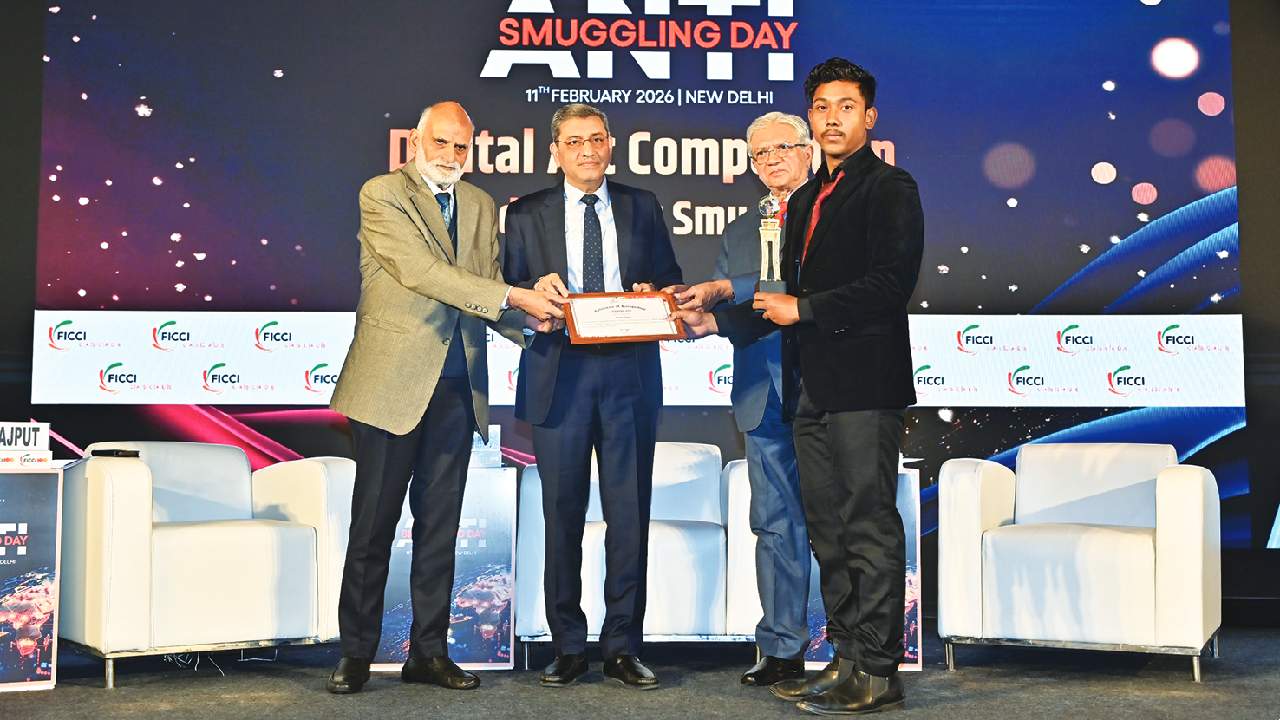
Addressing the 5th Edition of Anti-Smuggling Day organised by FICCI CASCADE, Singh said that smuggling has evolved into an organised, technology-driven economic crime with direct implications for national security and economic stability. “Our customs formations and the Directorate of Revenue Intelligence have intensified enforcement efforts significantly. In the first three quarters of the current financial year alone, we have seized around 500 kilograms of gold, nearly 150 million sticks of illicit cigarettes, over 20 metric tonnes of red sanders, approximately 120 kilograms of cocaine, around 50 kilograms of heroin, nearly 350 kilograms of amphetamines and close to 3,700 kilograms of hydroponic cannabis at airports.
We have also detected over 100 wildlife trafficking cases, along with seizures involving dual-use goods, arms, ammunition, drones and Fake Indian Currency Notes,” Singh stated. Referring to recent Union Budget announcements, Singh noted that AI-powered image analytics and expanded container scanning across major ports will further strengthen enforcement capabilities, while GST simplification and customs reforms continue to promote compliance and reduce incentives for illicit trade.
Highlighting the importance of collective international action, Anil Rajput, Chairman, FICCI CASCADE, said, “Combating smuggling cannot be the responsibility of one institution or one country alone. Strong partnerships among compliant nations are essential to promote legal trade, share intelligence, and decisively punish illicit operators. Just as UN-designated days such as the International Day against Drug Abuse and Illicit Trafficking have mobilised global attention, recognition of an International Anti-Smuggling Day by the United Nations would provide a powerful platform to deepen international cooperation and address the root causes and consequences of smuggling.
India, with its growing leadership on combating transnational crime and enforcement cooperation, is well placed to champion this cause.” “As we observe the 5th Anti-Smuggling Day, let us remind ourselves that this fight is ultimately about choices—policy choices, enforcement choices, business choices and consumer choices. If we choose legality over convenience, integrity over dishonesty and cooperation over complacency, we can ensure that smuggling finds no space to take root. While choices matter, they must translate into action.
Right action at the right time by policymakers is essential, as any delay risks allowing illicit activity to deepen, leading to consequences that can be catastrophic for the economy and the nation,” Rajput added. Delivering the Vote of Thanks, P C Jha, Advisor, FICCI CASCADE and Former Chairman, CBIC, stated that Anti-Smuggling Day is “not a symbolic observance but a structural necessity.” FICCI CASCADE has consistently highlighted the scale and impact of illicit trade through evidence-based research.
A 2024 study commissioned by CASCADE estimates that the illicit market in India stood at nearly `8 lakh crore in 2022–23 across key sectors. Earlier findings in the report ‘IllicitMarkets: A Threat to Our National Interests’ indicated that unlawful trade resulted in the loss of nearly 15.96 lakh legitimate jobs in 2019–20 alone, underscoring the deep economic and employment impact of smuggling on the formal economy. The 5th Edition of Anti-Smuggling Day also featured two high-level panel discussions bringing together senior enforcement officials and international representatives.
Launched on 11th February 2022 as a global first, Anti-Smuggling Day has evolved into a significant policy and enforcement platform bringing together Government, industry, international organisations and civil society to collectively combat the growing menace of illicit trade, said a Press release.