India-Bangladesh visa thaw on cards
As the high-stakes West Bengal Legislative Assembly Election unfolds, a parallel diplomatic track is quietly gaining momentum. Top sources have told The Pioneer that India and Bangladesh are preparing to fully restore visas for Bangladeshi nationals — particularly in medical and business categories — soon after the election result is announced.
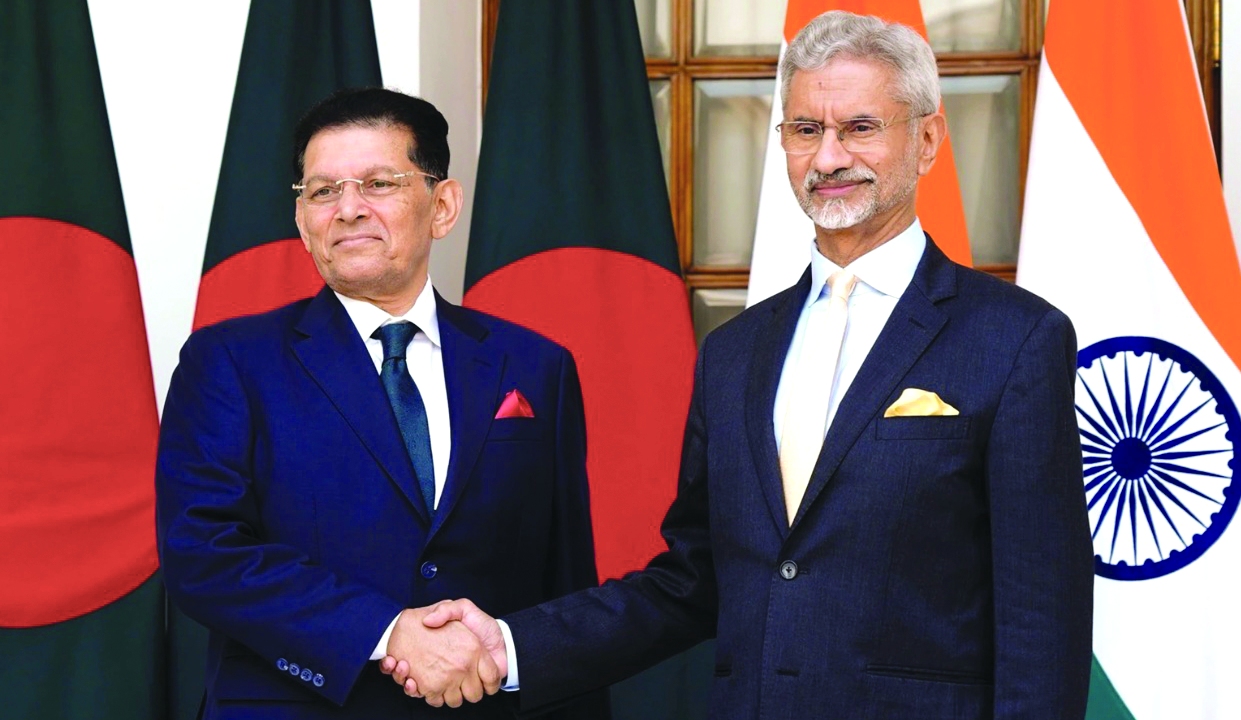
The move follows a recent visit by Bangladesh’s Foreign Minister Khalilur Rahman, who chose India for his first official trip abroad. During his meetings with External Affairs Minister S Jaishankar, Rahman raised concerns over the prolonged visa restrictions, which strained people-to-people ties.
“Visa processing never stopped, but it was curtailed due to diplomatic tensions. Now, there is a clear pathway toward full restoration after the Bengal elections,” a senior diplomat shared.
Visa issuance — once a cornerstone of India-Bangladesh engagement — slowed sharply amid tensions during the tenure of Muhammad Yunus. Dhaka has since pushed for normalization, urging New Delhi to resume visas across all categories.
As per report, the slowdown has had visible consequences. India’s High Commission in Dhaka, which previously processed up to 8,000 visas daily, is now issuing only limited emergency medical and student visas.
The broader economic impact has been significant. Between April 2023 and March 2024, over 2.1 million Bangladeshis visited India — about 22 per cent of all foreign arrivals. These travellers supported sectors ranging from healthcare and hospitality to retail and transport. India issued more than two million visas annually to Bangladeshi nationals, most of them for medical purposes.
The sharp decline in cross-border travel has hit India’s medical tourism sector particularly hard. Bangladesh accounted for nearly 69 per cent of India’s medical tourists, exposing a heavy dependence now disrupted by diplomatic friction.
Data indicates a steep fall — 43 per cent in November 2024 and 59 per cent in December. While around 4,82,000 Bangladeshis still accessed treatment in India in 2024, these were largely emergency cases, a sharp drop from previous years.
Hospitals in key hubs such as Kolkata, Chennai, Mumbai, and Bengaluru have felt the impact, with reduced patient inflows affecting revenues and capacity utilisation.
Adding to the strain, key cross-border train services — Maitree Express, Bandhan Express, and Mitali Express — have remained suspended since August 2024. These routes once provided affordable and accessible travel for patients and traders alike.
With a new BNP-led government in Dhaka signalling stronger engagement and New Delhi indicating readiness to reciprocate, the restoration of visas is expected to mark a significant reset in bilateral ties. For millions on both sides of the border — especially those dependent on medical access — the outcome of the Bengal elections may carry implications far beyond domestic politics.