How electric changes to F1 will impact Miami GP
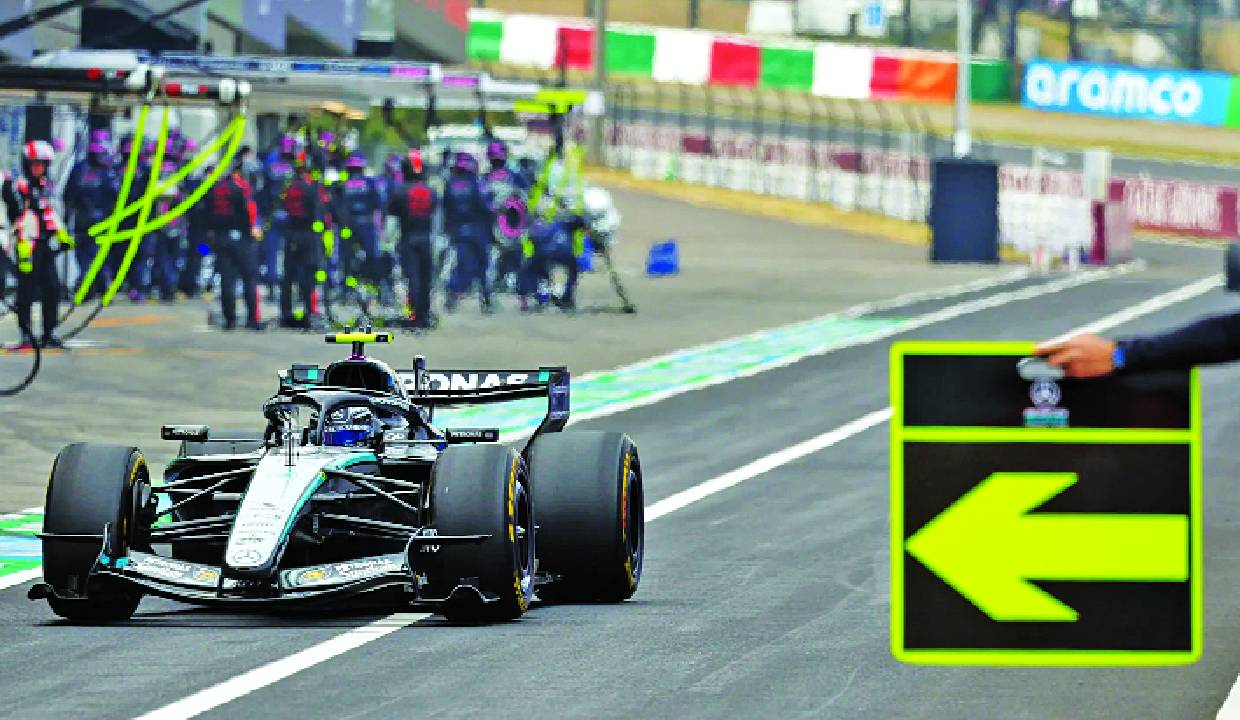
Formula 1 is back, and the show has changed. This week’s Miami Grand Prix is the first test of a package of changes that curb the influence of the electrical battery power which has redefined how F1 drivers go racing in 2026.
Drawn up during the enforced month-long break when races in the Middle East were called off, the changes follow a backlash from many drivers aggrieved at the regular need to go slow to charge the all-important battery. Max Verstappen is publicly considering whether to leave F1 entirely.
The electrical power has produced some thrilling on-track action with plenty of overtaking, but fans and drivers are split over how much driver skill matters when many moves are hard to defend against. Champion Lando Norris has even reported making overtakes by mistake when the power kicked in unexpectedly.
Many senior F1 figures are playing down the changes or deny there was a problem in the first place. Toto Wolff, whose Mercedes team dominated the first three changes, wanted changes made with a scalpel, not a baseball bat. The rule makers seem to have listened.
Nikolas Tombazis, the top F1 regulations official at the FIA, the sport’s governing body, sees his role as a doctor prescribing diet, exercise or vitamins.
“It was quite clear we need to take certain steps. I think it was quite clear that people also need to come out of their comfort zone for some of these discussions,” he said Monday.
Avoiding another huge crash Drivers had been warning for months about big differences in speed, and the big crashes that could result.
It finally happened at the Japanese Grand Prix in March as Oliver Bearman hurtled toward a barrier at 190 mph (306 kph) while trying to avoid Franco Colapinto. Bearman was left limping but it could have been worse at a street circuit with barriers closer to the track.
There’s now a cap on the extra power from the overtake “boost” mode, and other limits to electrical power in certain areas.
Other safety-focused changes will speed up slow-moving cars at a race start or aim to make cars more controllable in wet weather — conditions the 2026 cars have yet to face.
Qualifying becomes a different challenge: Qualifying will feel faster but actually be slower now that drivers aren’t lifting off the gas as often to recharge batteries. That’s because the batteries won’t recharge quite as much, and they’ll charge more quickly at high speed, too. That means the drivers will be “flat out” more often, even if less electrical power means the cars will be slower overall, Tombazis has said.