Hormuz must remain closed, says Khamenei
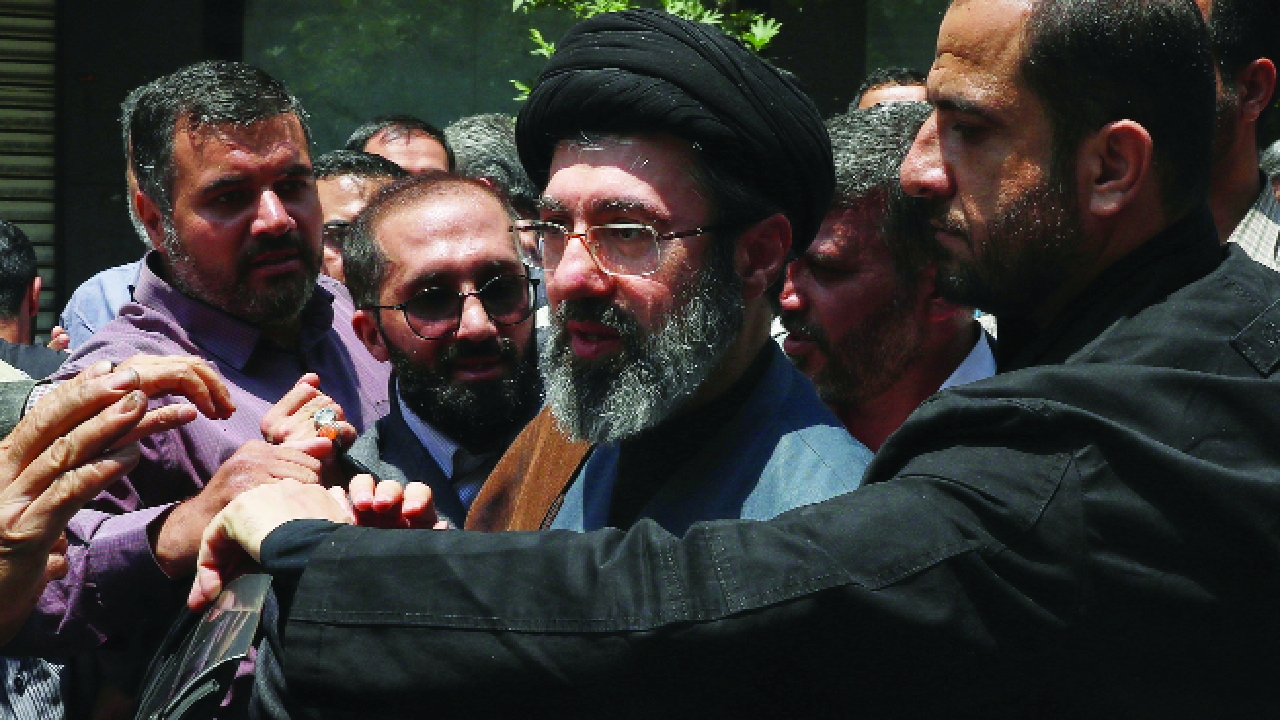
Iran’s new Supreme Leader Mojtaba Khamenei, in his first statement since assuming office, said the Strait of Hormuz must remain closed as leverage against the United States and warned that attacks on Middle East neighbours would continue as the conflict escalates.
The message, read out on Iranian State television on Thursday, came amid ongoing US-Israeli strikes on Tehran and growing tensions across the region. Khamenei also warned that American military bases operating in the region could face attacks if they remain active.
“I recommend that they close those bases as soon as possible, because they must have realised by now that the claim of establishing security and peace by America was nothing more than a lie,” he said. Khamenei said Iran would seek compensation from its adversaries for the damage caused during the war. “We will seek compensation from the enemy, and if they refuse, we will take as much of their property as we determine, and if that is not possible, we will destroy the same amount of his property,” he added.
The new leader also vowed that Iran would not retreat and would continue resisting with “full force,” promising revenge for those killed in the conflict, including his father and former Supreme Leader Ali Khamenei.
Speaking about his father, Mojtaba Khamenei said he had seen his body after the attack and described him as a “mountain of steadfastness”. He added that Iran would continue following the path set by the late leader. He also thanked Iran-aligned armed groups across the region, often referred to by Tehran as the “Resistance Front,” including Lebanon’s Hezbollah, Yemen’s Houthi movement and allied militias in Iraq.
Meanwhile, Iran’s President Masoud Pezeshkian outlined three conditions for ending the war with the United States and Israel. In a post on the social media platform X, he said any resolution must recognise Iran’s legitimate rights, ensure payment of reparations and provide guarantees against future attacks.
The conflict has also disrupted global energy markets. Iran’s attacks on shipping routes and energy infrastructure in the Persian Gulf have pushed oil prices above $100 a barrel, as the war that began on February 28 shows no sign of easing.
Tehran has indicated that pressure on global energy flows could continue until the United States and Israel halt their military campaign, raising fears of prolonged instability in one of the world’s most critical oil transit corridors.