Hormuz + 2 after China + 1?
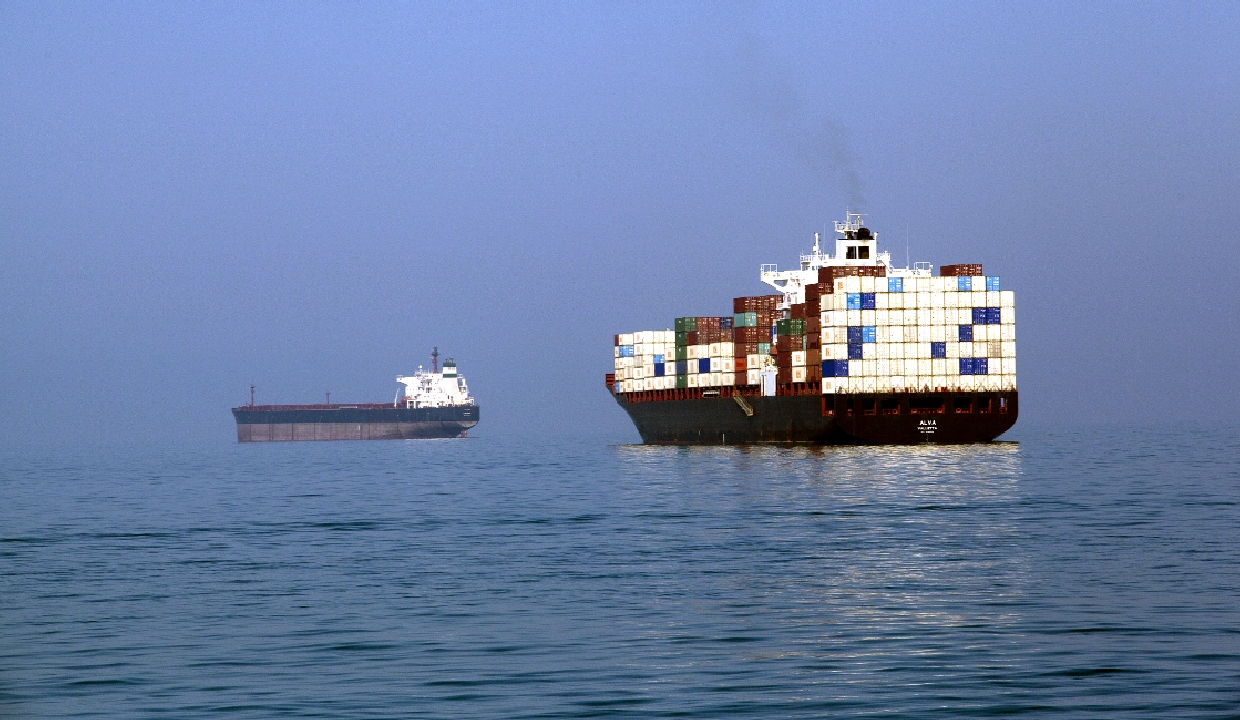
History shows that the Strait’s future may be like El-Mandeb or Suez?
Despite more clarity, or rather greater enthusiasm about the opening of the Strait of Hormuz and the end of war, the future of global oil supplies remains under a churn. Many experts believe that the Strait’s trajectory may be similar to China’s after the pandemic. Then, nations vigorously and rigorously pursued China+1 to make their supply chains more varied and flexible, even if more expensive. In the future, both buyers and sellers may aggressively maintain Hormuz+2 routes to ensure greater safety, security, and certainty. For the once-crucial Strait, life after Iran may never be the same again.
According to a recent article, “Markets and policy-makers should look at the precedent already set in the Bab El-Mandeb and Suez Canal. Despite intermittent stabilisation efforts, traffic through the Red Sea corridor remains structurally depressed, even after years of reopening, with Suez throughput still far below pre-crisis levels. It has become clear that incentives such as transit fee discounts are widely failing to bring vessels back. The Houthis (rebels) did not need to close the corridor permanently; they needed to make it all unreliable. That alone was enough to rewire global shipping behaviour.”
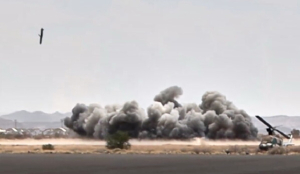
In effect, what the Houthis managed in the Red Sea will happen in the Strait. Over the past several years, the Iran-backed rebel forces in Yemen ensured the closures of El-Mandeb several times, including the attacks on commercial vessels that led to “significant disruptions,” with “many ships rerouted.” Even in February 2026, before the Iran war, there were reports that ships preferred the longer and expensive route around the Cape of Good Hope in South Africa rather than face the ire of the Houthis in the Red Sea. Even if the Strait opens, shippers and insurers will forever dread the wrath of Allah, or Ayatollah. Over the next few months, even years, after the peace between the US and Iran, the Strait will continue to be in danger, if not real then perceived.
Rebels in the Middle East will continuously threaten to target the choke point, now that they realise its significance, and how it can force giant nations to take notice, and react immediately. If the US is forced to move its navy against a puny, and much-weaker Iran, imagine the state of the European and Middle-East nations. Despite the lack of war in the future, peace is forever shattered.
As a media article adds, “There needs to be an understanding that shipping is not governed by physical access alone, but by risk perception. Once that perception shifts, as is now the case of Hormuz, the system behaves differently. The withdrawal of war-risk insurance in March effectively shut down commercial navigation, regardless of whether the Strait was technically open. Even now, when some parties have stated that the Strait has been partially reopened at certain times, major operators still refuse to transit. In some cases, none of the top shipping companies are willing to take cargo through the Strait.”
One needs to simultaneously remember that when global crude oil prices go up and down, they generally do not completely reflect the demand-supply scenario. Much of the rise in the oil prices is due to the increase in what is called, the risk premiums. It is the actual or perceived risks that push up the prices, or the lack of it that brings them down. Hence, risk is a crucial element in the pricing structure of crude oil. The risks attached with Hormuz will be permanently embedded in the supply route, either as a premium, or as a neglect.
Even in the post-war scenario, the war-risk premiums that have surged, will settle down but remain substantially high, $10-20 a barrel over the pre-war crude prices. Insurers will price in the risks of possible disruptions that can begin any day, any time. Shippers, despite their images of being brave and adventurous, will be cautious, and err on the side of caution. Nations will not want a situation when dozens of their vessels are suddenly stuck in the Strait, as they were. Even the Middle East producers will ship via several routes to diversify risks.
Over the years, due to the crises in the Strait and Red Sea, the Cape of Good Hope is a permanent default route. Although it can add up to two weeks to a ship’s journey from the Middle East to Asia, or thousands of nautical miles, depending on the destination ports, it is no longer a “temporary detour.” As critics maintain, the route via the Good Hope is to prevent bad things elsewhere. It is “embedded in network design,” as shippers seek alternatives like Hormuz+2. The implications, they add, “for energy markets are, and will increasingly become profound.”
Energy will become a more sensitive tool in diplomacy and geopolitics. Both buyers and sellers of oil will think of supplies as a means to either enhance friendships with some and reduce exposure to possible enemies. Thus, Europe, as is the case after the Russia-Ukraine war, will forever be fearful of Russian supplies and move towards the US and African suppliers. India will need to wean towards the US for higher supplies, despite Russia being a friend, to get the India-America bilateral trade treaty in place. China will remain a great oil-linked friend with Russia and Iran. Japan will try new things.
Grand projects, which were kept on the back bench because of their enormous costs, and construction periods, will be back on the table. These may include “pipelines to the Red Sea, storage hubs outside the choke points, and new transshipment models.” The Russia-China pipeline, long mired in controversies and delays, may get a boost. Since these investments are irreversible, once spent, they will fundamentally reconfigure the “global energy logistics.” Once committed, nations, firms, and policy-makers will find it difficult to back out, or back away.
Hence, according to several analysts, “The most dangerous mistake policy-makers can make now is to treat reopening (of the Strait of Hormuz) as a resolution. The data shows otherwise. Traffic does not return. Costs do not normalise. Behaviour does not revert. The system evolves.” Logically, global trade and energy flows will be “more regional, more redundant, and more expensive. Efficiency has given way to resilience. The price of security will be permanently embedded in trade.” As we once mentioned in these columns, the straight road, or rather shipping route, through the Strait is forever crooked. The ships going towards it will fork in different ways before they reach it.