Hemant’s calm leadership strengthens MP’s BJP
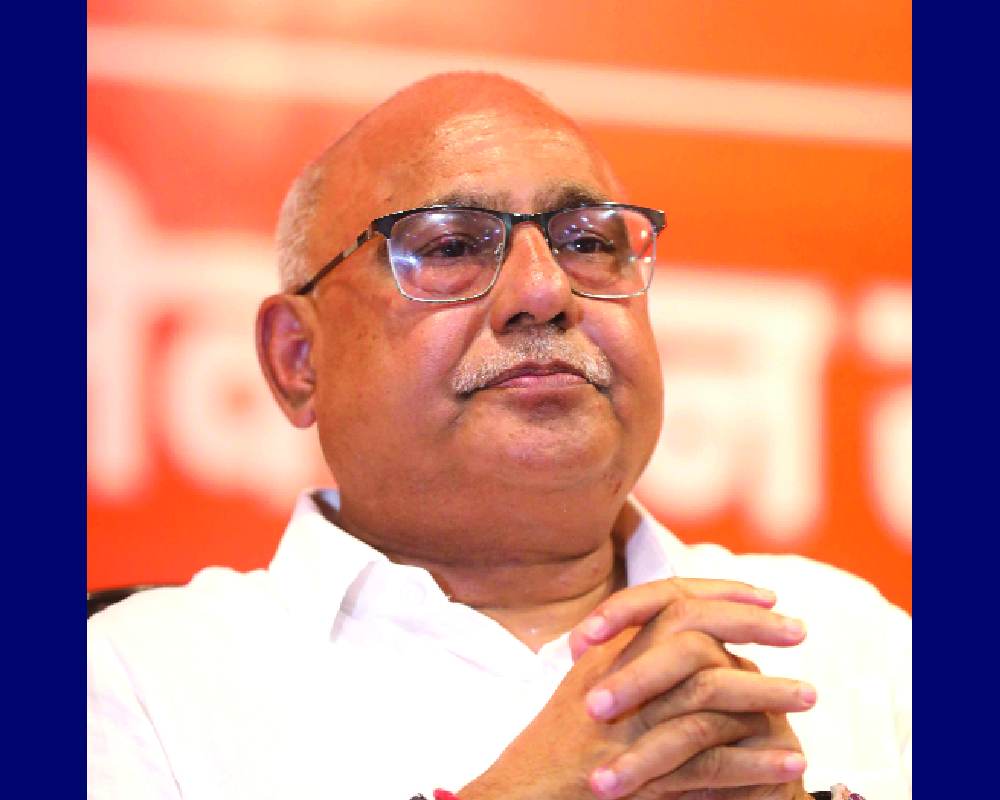
Five months after taking charge as Madhya Pradesh BJP president, Hemant Khandelwal is slowly but decisively emerging as a quiet yet effective organisational stabiliser.
His rise has surprised many within the party who initially doubted whether his soft-spoken persona could command a state unit as vast, complex and politically dynamic as Madhya Pradesh. Yet today, his imprint is unmistakable — not crafted through confrontation or dramatic assertion, but through steady administrative discipline and a deliberate effort to mend longstanding divides within the party.
One of Khandelwal’s most consequential interventions has been the revival of a long-discussed but inconsistently implemented mechanism to ensure ministerial accessibility at the state BJP headquarters.
The process, first envisioned during the Shivraj Singh Chouhan era, struggled to gain traction due to scheduling and coordination challenges. Under Khandelwal, however, it has taken firm shape: two ministers are now required to be present at the party office every day, engaging directly with workers, addressing grievances and improving the communication loop between grassroots cadres and the government.
Senior party leaders say this structural reform has greatly energised the rank and file.
For many workers who felt distant from decision-making and administrative channels, the renewed accessibility offers both reassurance and recognition. “It feels like the organisation is listening again,” a Bhopal-based party worker remarked.
Equally significant has been Khandelwal’s quiet intervention in resolving one of the BJP’s most persistent internal rifts. In Sagar district, tensions between Minister Govind Singh Rajput and senior MLA Bhupendra Singh had simmered for years, often spilling into organisational operations. In a move widely described as politically astute, Khandelwal visited Sagar, invited both leaders to a lunch meeting and persuaded them to share a platform — a breakthrough that eluded even earlier leadership.
Insiders said Khandelwal’s gesture reflected a leadership style built on personal engagement and silent bridge-building rather than public messaging or factional posturing.
When Khandelwal took charge in July 2025, many within the BJP viewed him as polite, unassuming and too consensus-oriented for a role often associated with firm command. But his early months in office have shown that leadership can also be exercised with restraint — firm without theatrics, persuasive without confrontation, and anchored in everyday organisational discipline.
Party sources say Khandelwal has been meticulous in strengthening coordination between the government and the organisation, encouraging district units to hold more regular reviews, and urging cadre-based outreach in the run-up to the next electoral cycle. His style, they say, mirrors a broader BJP ethos of structured accessibility and disciplined functioning.
As the party prepares for future political challenges, Khandelwal’s leadership — quiet, deliberate and increasingly effective — is emerging as one of the defining organisational narratives in the state. Far from being a symbolic appointment, he has begun to provide the BJP with something it has long needed in Madhya Pradesh: a steady, unifying hand at the helm.