Hate speech: No cognisable offence made out against Anurag Thakur, Parvesh Verma, says SC
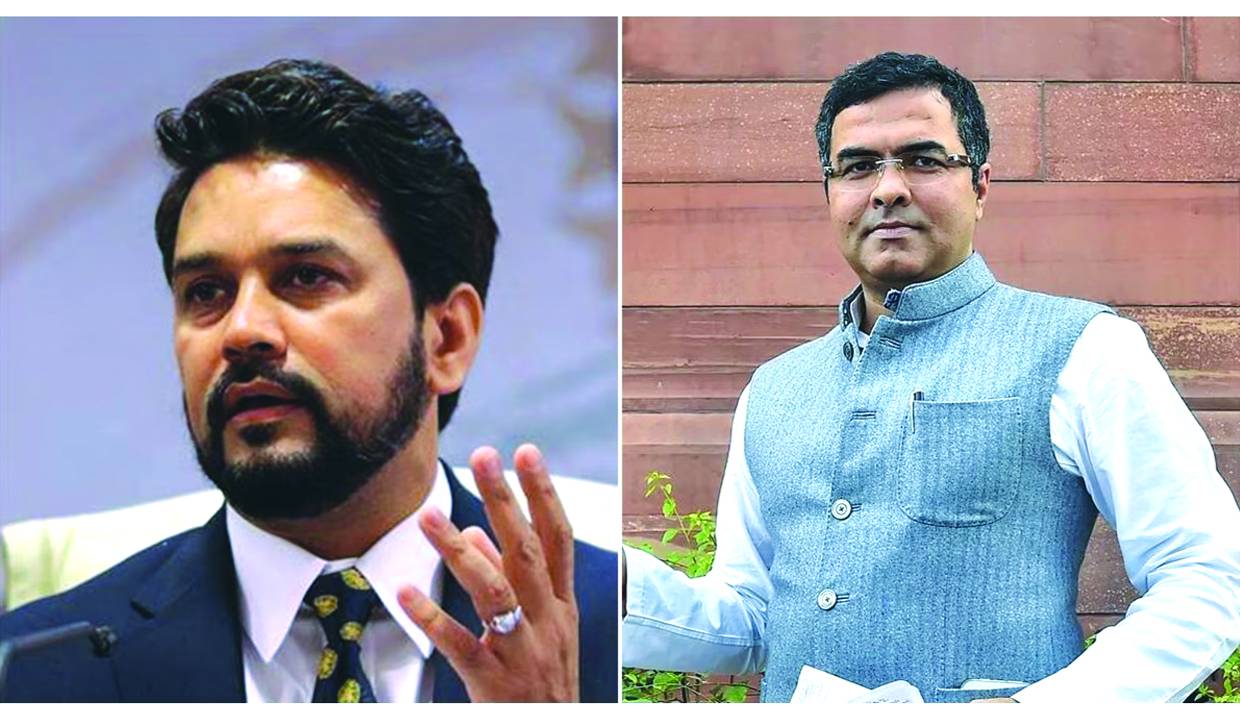
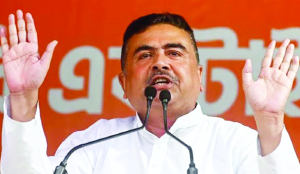
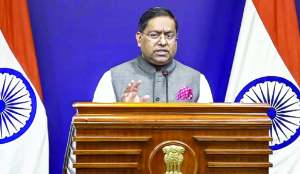
The Supreme Court has said that no cognisable offence was made out against BJP leaders Anurag Thakur and Parvesh Verma for their alleged hate speeches over the anti-CAA protest in Delhi in 2020.
While BJP MP Thakur is a former union minister, Verma is a minister in the Delhi Government.
In its April 29 verdict on a batch of pleas concerning hate speeches, a bench of Justices Vikram Nath and Sandeep Mehta also dealt with the petition filed by CPI(M) leaders Brinda Karat and K M Tiwari who had challenged a June 2022 verdict of the Delhi High Court.
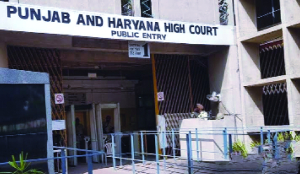
The High Court had dismissed a petition by Karat and Tiwari challenging the trial court’s refusal to direct registration of an FIR against Thakur and Verma for their alleged hate speeches over the anti-CAA protest at Delhi’s Shaheen Bagh.
In its judgement, the apex court noted that the High Court had, on an independent assessment, held that the speeches do not disclose commission of any cognisable offence, and also observed that the statements were not directed against any specific community nor did they incite violence or public disorder.
“Upon a careful consideration of the material placed on record, including the alleged speeches, the status report dated February 26, 2020 submitted before the trial court, and the reasons recorded by the courts below, we are in agreement with the conclusion that no cognisable offence is made out,” the top court said.
The CPI(M) leaders had claimed that on January 27, 2020, Thakur allegedly made a hate speech at a rally in Rithala. They had further claimed that on January 28, 2020, Verma allegedly made inflammatory hate speeches.
A trial court on August 26, 2020, dismissed the petitioners’ complaint on the ground that it was not sustainable as the requisite sanction from the competent authority was not obtained.
In its verdict, the apex court observed the High Court had declined to direct registration of an FIR on the grounds that prior sanction under Sections 196 and 197 of the Code of Criminal Procedure (CrPC) had not been obtained.