Govt fixes LPG output targets for refiners, Reliance tops list
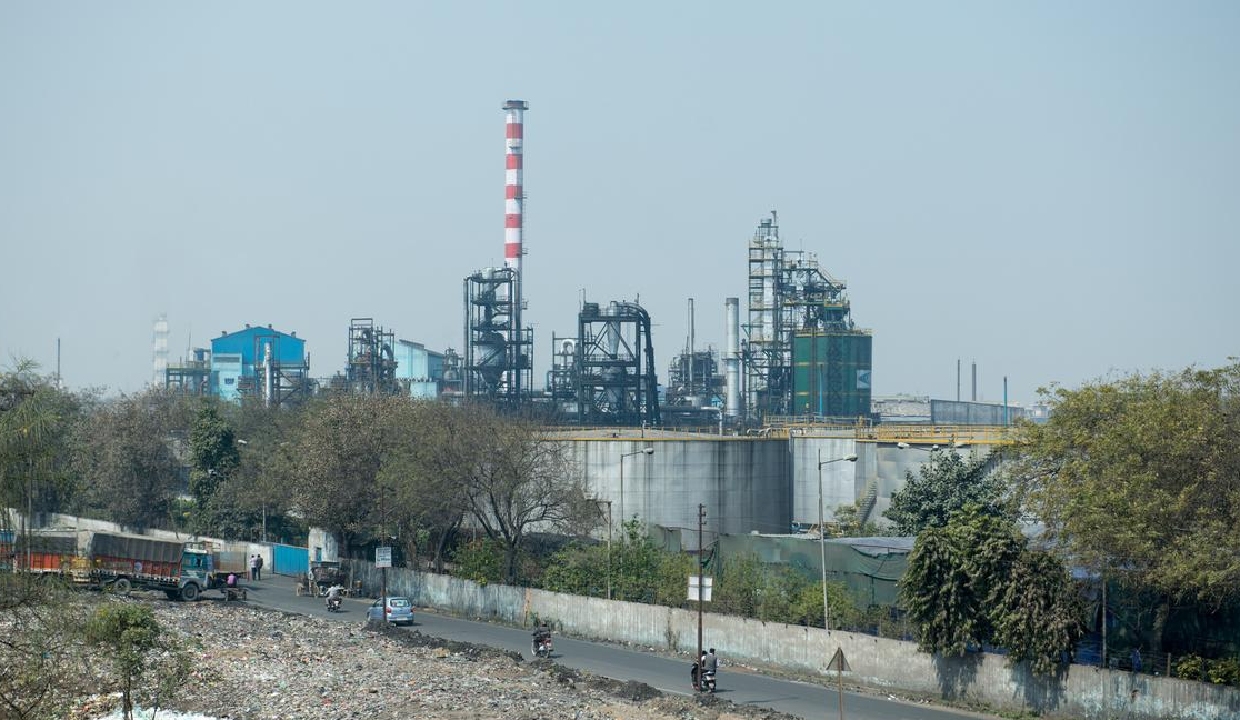
The government has for the first time set maximum daily LPG production targets for 21 individual refineries and upstream companies, aiming to build a domestic supply buffer following disruptions triggered by the West Asia conflict.
According to an order issued by the Petroleum and Natural Gas Ministry on August 13, the specified facilities have a combined production potential of 63,810 tonnes of LPG a day, more than double the country's domestic output in 2025-26 and about 70 per cent of daily consumption.
The production limits will apply whenever a supply constraint arises, the order said.
Reliance Industries Ltd's older Jamnagar refinery has been assigned the largest quota, with a mandate to produce up to 18,000 tonnes a day, the order stated. No target has been fixed for the company's separate 35.2 million tonnes a year export-only refinery at the same site.
India consumed 33.2 million tonnes of LPG in 2025-26, or roughly 91,000 tonnes a day, of which 13.1 million tonnes was produced domestically and 21.3 million tonnes was imported leaving the country more than 64 per cent dependent on imports, the order noted.
That dependence became a vulnerability when the outbreak of the Iran war effectively shut the Strait of Hormuz, the narrow sea lane through which India sources 90 per cent of its LPG imports from countries such as Saudi Arabia, according to the document.
In response, the government in March had ordered refiners to divert petrochemical feedstock toward LPG production, halted sales to industrial and commercial users before gradually restoring them, and increased the interval between household refill bookings while encouraging a shift to piped natural gas.
Domestic output was ramped up to about 55,000 tonnes a day at the peak of the crisis, with the emergency directives withdrawn after supplies eased from mid-June, per the order.
Unlike the earlier emergency order, the new framework sets facility-wise production benchmarks and requires refiners and upstream companies to maintain adequate infrastructure for LPG storage, evacuation and transport, besides pursuing technically and economically feasible capacity upgrades, the ministry said.
The order empowers the central government to direct refiners, oil marketing companies and upstream producers to raise LPG output for specified quantities and durations whenever needed to ensure adequate availability, equitable distribution and fair pricing.
The production schedule will be reviewed twice a year on January 1 and July 1 to account for new refineries, additional upstream capacity, and infrastructure or technology upgrades, the order said.
Refiners have also been asked to consider converting naphtha into LPG and upgrading fluid catalytic cracking units where feasible, to extract more LPG from existing infrastructure, according to the document.
As per the order, 18 public sector refineries have been directed to produce a combined 31,470 tonnes a day.
Among private players, Reliance's Jamnagar DTA refinery has been assigned 18,000 tonnes a day, while Russia's Rosneft-backed Nayara Energy's Vadinar refinery has been asked to produce 4,480 tonnes a day.
Upstream gas producers and processors, including ONGC and GAIL, which extract LPG from natural gas, have been given a combined target of 6,460 tonnes a day, the order said.
The order states that all public sector, joint venture and private oil refining and upstream companies must "develop, augment and at all times maintain adequate infrastructure" for LPG storage, evacuation and transport either independently or through entities such as railways or road tankers sufficient for the specified quantities.
Companies have also been directed to implement technically and economically feasible upgrades, including naphtha-to-LPG conversion and fluid catalytic cracking unit modifications, to maximise output beyond the minimum quantities specified, with prior intimation to the Centre for High Technology or another authorised agency.
The ministry said that if the central government considers it necessary in public interest to ensure adequate availability, equitable distribution and fair pricing of LPG, it may issue written directions on its own or through the Centre for High Technology or another authorised agency to ramp up production for a specified quantity and period, including restrictions on alternative uses of input streams. Companies will be required to comply within the stipulated timeframe, the order added.
(Inputs from PTI)