Govt defends UGC rules as students warn of chaos
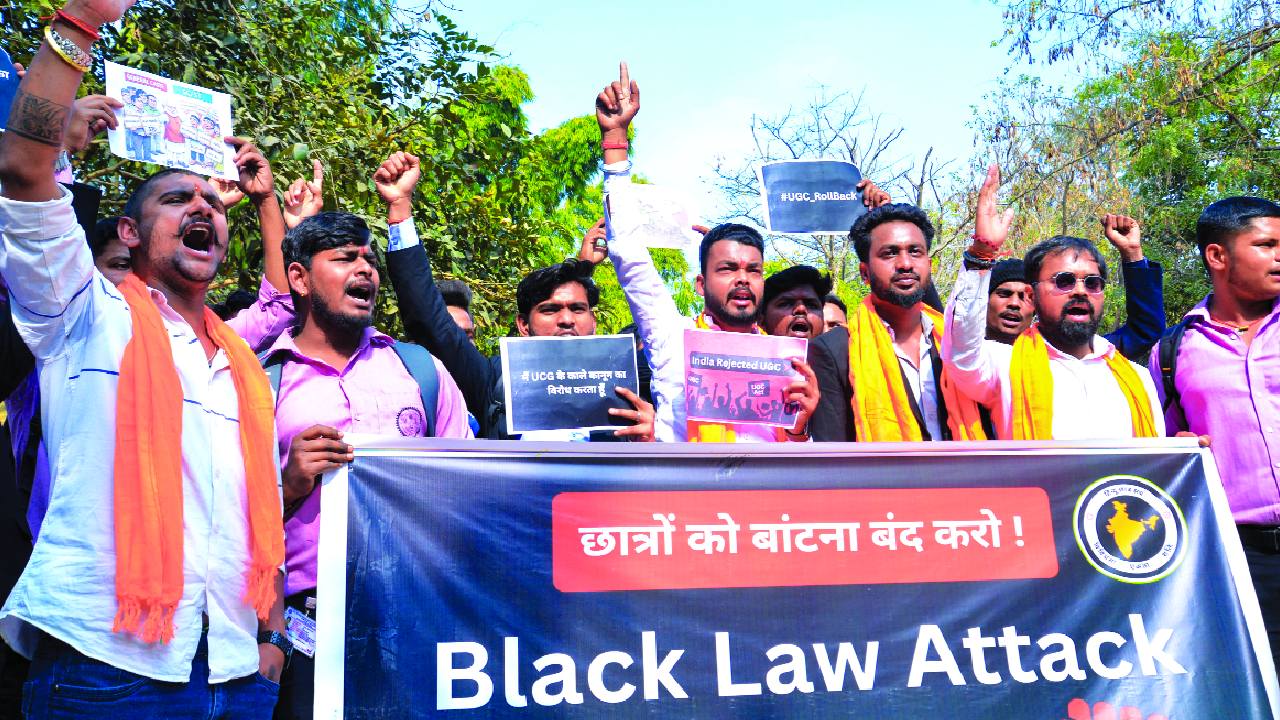
As the controversy over recently announced anti-discrimination regulations —the Promotion of Equity in Higher Education Institutions Regulations, 2026 — deepens, the Government on Tuesday tried to reassure protesting students that the rules will not be misused or used to discriminate.
“I want to humbly assure everyone, no one is going to face any harassment, there will be no discrimination and no one will have the right to misuse the regulation in the name of discrimination,” said Union Education Minister Dharmendra Pradhan on Tuesday. “Whether UGC, the Union or the State Government, they have the responsibility, I assure it will be within the ambit of the Constitution,” he added. The new rules define caste-based discrimination as discrimination “only on the basis of caste or tribe” against members of the Scheduled Castes (SCs), Scheduled Tribes (STs), and Other Backward Classes (OBCs).
Reports indicate the new UGC’s regulations have upset upper caste students, who have framed the rules as discriminatory against the general category. In Delhi, a group of students from colleges across Delhi held a protest outside the UGC headquarters on Tuesday, saying that the new regulations issued by the commission could lead to chaos on campuses.
“UGC officials received our submission. They agreed to discuss a few points from our list of demands,” Alokit Tripathi, a PhD student from Delhi University, said. “The UGC officials said they will consider our demand to appoint one member from the general community in the Equity Squad. Secondly, the commission assured us that it will come up with a solution within 15 days, that is, before February 12. And lastly, they said the identity of the accuser will not be kept private in order to discourage false complaints,” he added.
Shivam Singh, co-founder of the Savarna Sena (Forward caste army), said the group will call off the protests if the Government assures that general category students will not be adversely affected. The data shows that complaints related to caste discrimination in universities were around 173 during 2016-2017, but rose to over 350 in the 2023-2024 academic year, suggesting a rise in such cases.
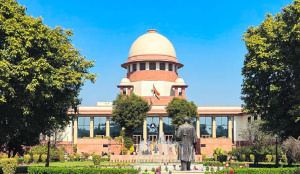
A plea has been filed in the Supreme Court challenging the recently notified University Grants Commission (UGC) regulation. The petition alleges that the regulation has adopted a non-inclusionary definition of caste-based discrimination and excludes certain categories from institutional protection.
The protests have also triggered political fallout. Alankar Agnihotri, City Magistrate of Bareilly, resigned in protest, claiming the regulations, notified in the Government of India Gazette on January 13, would be “highly detrimental.”
The students said the new rules will create complete chaos in colleges as the burden of proof will now be entirely shifted on to the accused and there were no safeguards for wrongly accused students.
“The new regulations are draconian in nature. The definition of victim is already predetermined. The victim can be anyone in the campus,” Tripathi said.
Meanwhile, Left-backed student group All India Students’ Association released a statement backing the UGC Equity Regulations, 2026. It said that inclusion of OBCs (other backward castes) within the ambit of equity protection was a welcome step.
The National Students’ Union of India (NSUI) has welcomed the UGC Regulations on Caste-Based Discrimination, calling them a significant step towards addressing discrimination in higher education. However, the organisation has flagged serious concerns over how the rules will be implemented.
NSUI said the proposed grievance redressal committee must not be symbolic and should mandatorily include student and faculty representatives from SC, ST and OBC communities, along with serving or retired judges to ensure independence and credibility.