Govt committed for stable policy environment to enable auto sector growth: HD Kumaraswamy
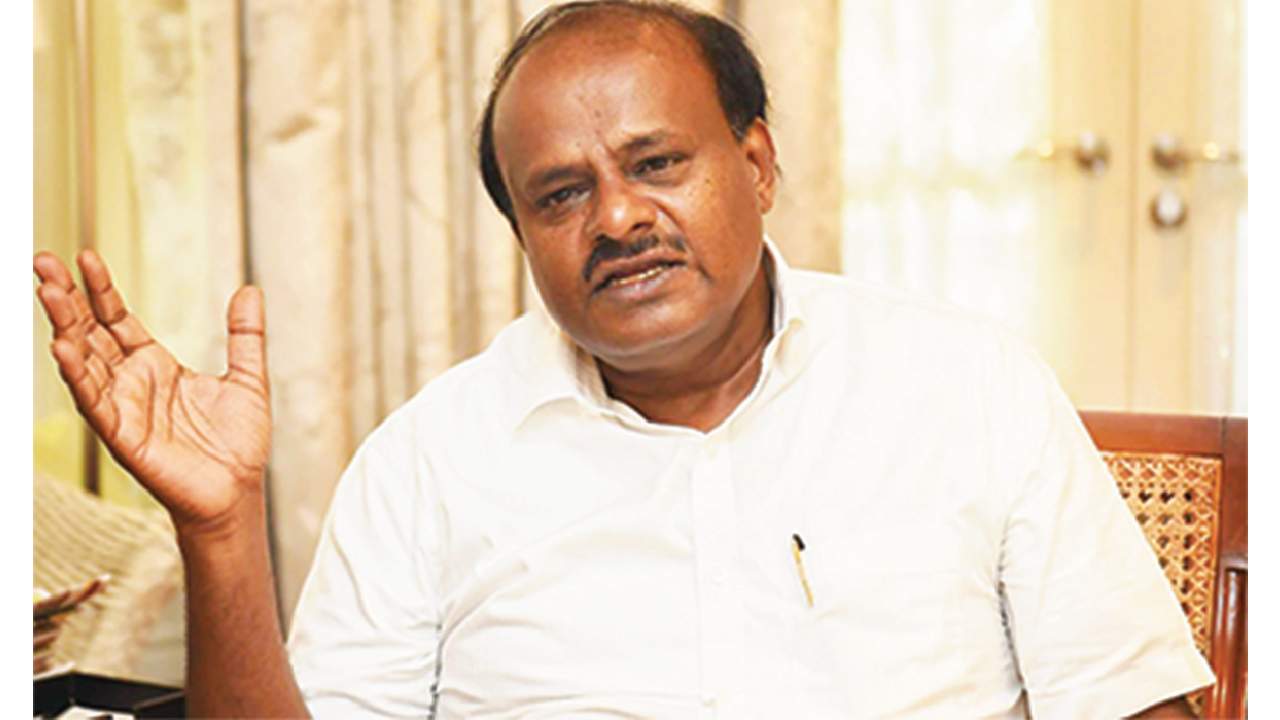
The Central Government remains focused on maintaining a stable policy environment to enable the domestic auto component industry to play a key role in shaping global supply chains, Union Minister HD Kumaraswamy said on Wednesday. Speaking at an Automotive Component Manufacturers Association of India (ACMA) event here, the Union Minister for Heavy Industries and Steel stated that the auto component industry will play a central role in shaping next-generation supply chains amid the country’s march towards becoming a developed nation.
“Innovation in areas such as electronics, power electronics, light, lightweight materials and intelligent systems will be key to maintaining global competitiveness. The Government remains committed to providing a stable policy environment, encouraging technology adoption and working closely with industry stakeholders to support scale, quality and exports,” he stated. The Government’s objective is clear: to enable Indian manufacturers not only to participate in global value chains but to lead them, he added.
Kumaraswamy noted that India’s automotive industry stands among the fastest-growing in the world. Vehicle production has increased from 28.4 million units in 2023-24 to nearly 31 million units in 2024-25 while exports have grown from 4.5 million to over 5.3 million vehicles during the same period, he said. He noted that the Government is providing support to the automotive sector by bringing in various initiatives, including rare earth manufacturing and creation of corridors for the same.
The Union Budget has also announced around Rs 13,000 crore for the enhancement of construction and infrastructure equipment, reinforcing India’s capabilities in heavy engineering, infrastructure development, and complementing demand-side measures. “On the trade front, India has adopted a calibrated and strategic engagement with key global partners,” Kumaraswamy noted.
The deal with the European Union is focused on addressing non-tariff barriers, regulatory cooperation and standard alignment, particularly in emissions sustainability and advanced and automotive technologies, he said. Recent developments under the India-US trade agreement, including commitments towards calls for preferential access for select automotive components, he added. HD Kumaraswamy