Government working to improve drinking water supply, sewer connectivity: Verma
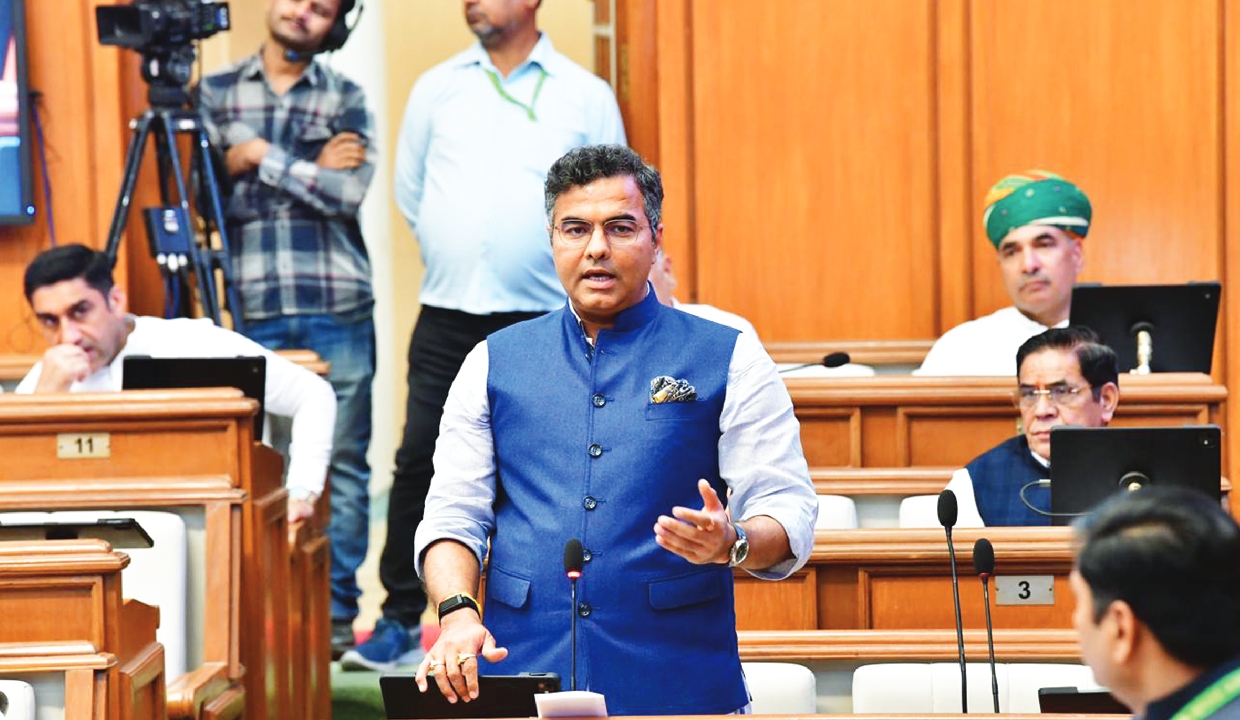
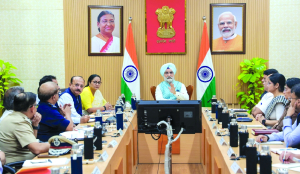
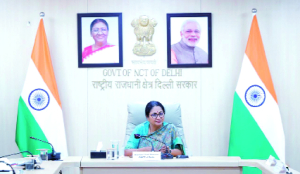
Delhi PWD Minister Parvesh Sahib Singh Verma on Friday said the State Government is working on a war footing to improve drinking water supply, sewer connectivity and cleaning the Yamuna River.
Giving a detailed presentation about steps taken in the Delhi assembly, he also highlighted the findings of the Comptroller and Auditor General of India (CAG) report, exposing years of systemic failures in water management, sewer infrastructure, and Yamuna cleaning.
He also noted that during the Assembly session, several MLAs raised concerns about water supply, sewer issues, and local infrastructure challenges in their constituencies, directly reflecting the grievances of citizens. However, the minister strongly criticised the absence of the opposition during such a critical discussion.
Delhi currently requires approximately 1200 MGD of water, while the supply stands at around 1000 MGD, creating a persistent gap. The Minister pointed out that, beyond supply constraints, poor management and massive transmission losses have worsened the crisis.
Delhi currently requires approximately 1200 MGD of water, while the supply stands at around 1000 MGD, creating a persistent gap. The Minister pointed out that, beyond supply constraints, poor management and massive transmission losses have worsened the crisis.
“In most parts of the world, NRW losses are around 15 per cent. In Delhi, they crossed 50 per cent. This is not just leakage…it is a reflection of systemic failure,” he said.
He further highlighted that nearly 30 lakh households still lack formal water connections, leading to illegal usage, inefficiency, and revenue loss.
To improve water availability, an additional 36 MGD capacity is being added, major projects like Chandrawal and Wazirabad revived, and long-pending interstate water coordination strengthened.
As regards Yamuna cleaning, he said key steps include construction and upgradation of 35 STPs with global standards, expansion of treatment capacity to 1500 MGD for future needs, in-situ treatment of major drains, including Najafgarh drain, and strict monitoring of sewage discharge and quality. He also announced that within 2 to 2.5 years, Delhi will have more treatment capacity than sewage generation, ensuring long-term sustainability.