Government digs in on MDR for UPI
Opposition parties call the move anti-people as Government rejects demands for rollback
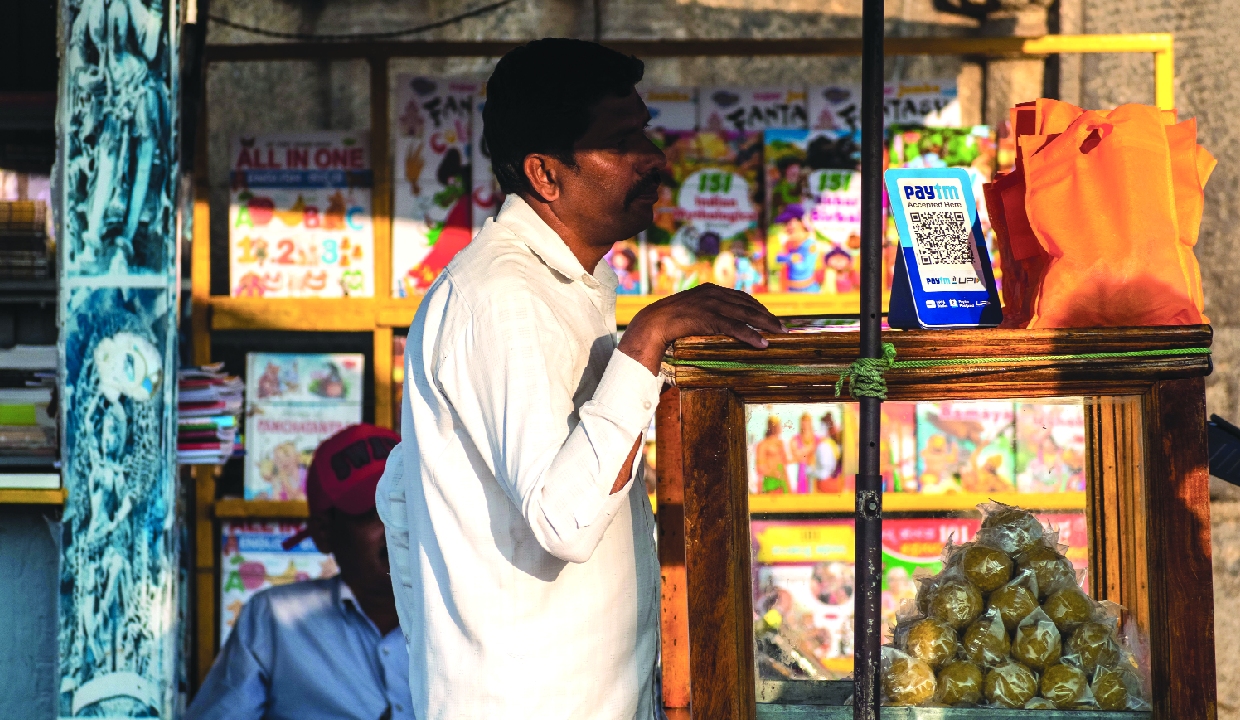
The Union Government on Wednesday categorically rejected the Opposition’s claims on Merchant Discount Rate (MDR) on Unified Payments Interface (UPI) payments above Rs 2,000 while ruling out a rollback.
Brushing aside the Opposition charge that the Government has bowed before “American imperialism” by introducing the MDR framework for UPI, the Union Ministry of Finance on Wednesday posted a statement on X. “Some claims suggest the change is due to foreign influence. This is false. India’s UPI policy decisions are made independently, with the clear goal of building a self-sustaining, inclusive, and affordable digital payments ecosystem,” it said.
A top Government official, when asked whether the Government was mulling a rollback of the proposed MDR charges on UPI transactions above Rs 2,000, to be implemented from October 15, said a decision has been taken and there was no question of reversing it. Sources said the decision to impose MDR charges was taken in the larger interest of the UPI ecosystem and to strengthen its safety and security.
The decision to levy charges, as prevalent in other countries, was taken at the time of introduction of the UPI system in 2020, sources said, adding that the new MDR framework will make UPI self-sustainable.
The decision drew strong opposition from several quarters, including traders, shopkeepers and political parties who dubbed the move as Modi Tax. Some Opposition parties, including the Congress, accused Prime Minister Narendra Modi of succumbing to US pressure.
Defending the decision, the Government said on Tuesday that it will also give incentives for further expansion in rural and semi-urban areas and maintain competitiveness, while ensuring that large majority of payments remain free of charge.
Parliament’s Standing Committee on Finance, in its 32nd report, warned that the zero-MDR regime “puts pressure on Government finances” and limits the ecosystem’s ability to invest in long-term infrastructure, urging that “establishing a viable revenue mechanism is critical to ensuring the UPI ecosystem achieves financial sustainability without perpetually straining the government exchequer”.
The panel had flagged that the Government was providing roughly Rs 2,000 crore a year to support the incentive scheme built around the zero-MDR policy.
Accusing the Government of making the changes in the UPI policy under US pressure, the Opposition said the move would push up prices of most commodities.
Opposition MPs described the decision to levy a fee on UPI payments as anti-people and raised the issue at a meeting of a Parliamentary Standing Committee on Wednesday, saying there is a “sense of outrage” across the country.
Chairman of the Parliamentary Standing Committee on Finance Bhartruhari Mahtab said the UPI issue was not part of the proceedings in Wednesday’s meeting. “But concerns were expressed. As the tenure of the existing committee is coming to an end in the month of October, I believe the new committee will be taking it up,” he said.
Criticising the move, Congress general secretary in-charge communications Jairam Ramesh asked whether the MDR was announced to enable US card companies to compete with UPI.
“Here, the Modi government has given in to a US demand to get rid of zero MDR and charge for UPI. The US Trade Representative earlier this year criticised UPI for being free and having driven out Visa and Mastercard,” Ramesh said.
Echoing the sentiments of the Congress, TMC MP Saugata Roy said the idea of levying a fee on UPI transactions has been opposed by the Congress and it is justified because this will lead to an increase in the price of most commodities.
In Patna, RJD MP Manoj Jha also flayed the government over the issue. Communist Party of India (CPI) general secretary D Raja demanded that the government withdraw the “anti-people decision”.