Government developing four drains to fix waterlogging
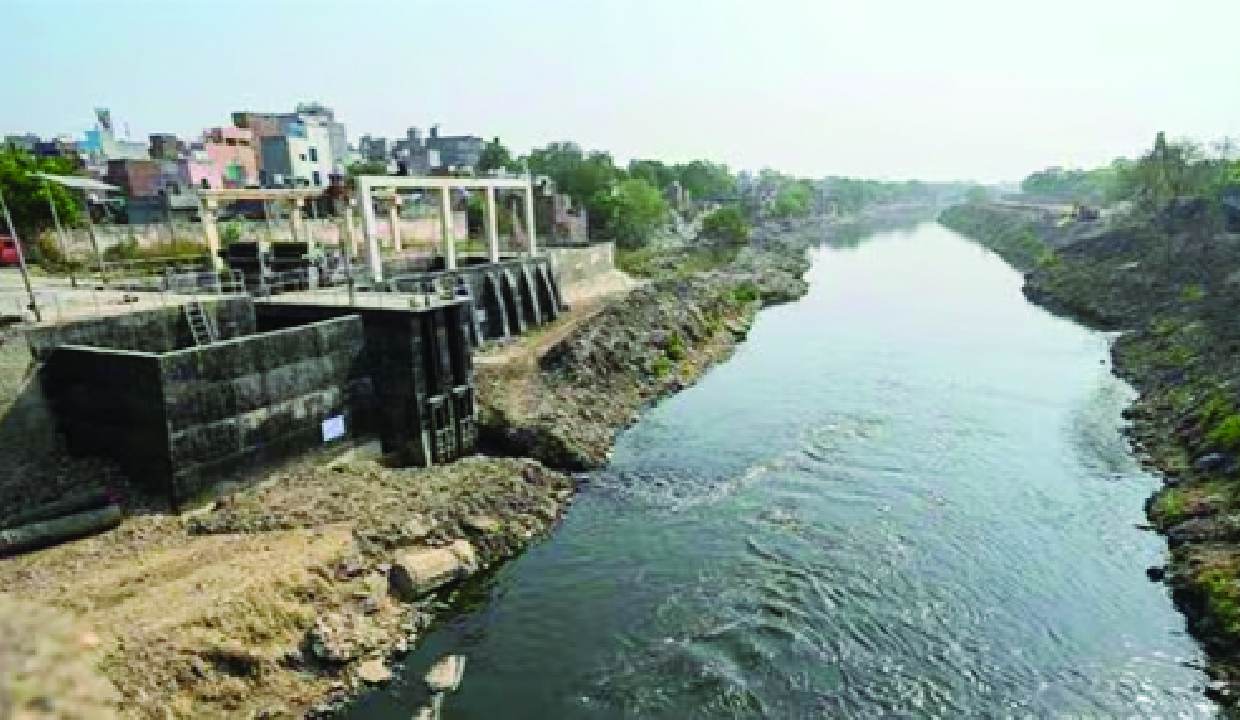
In a move to strengthen the drainage system to get permanent relief from waterlogging, the Delhi Government has been developing four drains in the national Capital.
The projects, the Mundka Halt-Supplementary Drain, the MB Road Storm Water Drain, the Kirari-Rithala Trunk Drain and the storm water drain along Rohtak Road (NH-10), are being developed as key components of Delhi’s revised ‘Drainage Master Plan’.
Together, they are aimed at easing monsoon flooding in some of the city’s worst-affected neighbourhoods and ensuring faster discharge of rainwater into the Yamuna.
Delhi Chief Minister Rekha Gupta on Saturday said the initiative was a long-overdue overhaul of the capital’s outdated drainage infrastructure, and it will bring permanent relief from chronic waterlogging.
The Chief Minister said Delhi’s original drainage master plan was prepared in the 1970s and failed to keep pace with rapid urbanisation, population growth and large-scale construction. As a result, the city has faced worsening waterlogging, overloaded sewer lines and frequent flooding during heavy rains. The revised plan, she said, takes into account present-day geographical conditions, climate pressures and expanding urban catchments.
The most immediate relief is expected in West Delhi, where a 4.5-kilometer-long trunk drain is proposed parallel to the railway line to address persistent flooding in Kirari, Mundka, Bawana, and Nangloi. Being implemented by the Irrigation and Flood Control Department, the project has an estimated cost of Rs 220.93 crore and is designed to drain rainwater from a catchment area of 1,520 acres. According to officials, the drain will have a discharge capacity of 760 cusecs, allowing it to handle peak monsoon flows.
It will originate near Mundka Halt station, run along the railway corridor and merge with the Supplementary Drain. Several secondary drains along the route will also be integrated, creating a unified drainage network. An MoU has already been signed with the Railways for work within railway land, and the project is expected to be completed within 15 months after final approvals.
In South Delhi, the government is undertaking what it has described as the biggest drainage overhaul in the area through the MB Road Storm Water Drain project. Stretching from Lado Sarai T-point to Pul Prahladpur, the project covers a road length of 11.38 km, with drains totalling 22.76 km on both sides. The Rs 387.84-crore project, being executed by the Public Works Department (PWD), is slated for completion in 2.5 years, including pre-construction work.
Officials said waterlogging along MB Road has been aggravated by inadequate and damaged drains, often affected by parallel construction activities.
The project also involves shifting utility services, constructing footpaths and the transplantation or felling of around 500 trees.
A long-pending drainage bottleneck in Northwest Delhi is also set to be resolved through the Kirari-Rithala trunk drain project.
The 7.2 km drain, being developed by the Delhi Development Authority at a cost of Rs 250.21 crore, is designed to carry 1,160 cusecs of water. About 600 metres of work has been completed, while the remaining construction had been stalled due to tree-felling permissions, which have now been cleared.