Government condemns lynching of Hindu man
The Muhammad Yunus-led interim Government in Bangladesh on Friday strongly condemned the brutal beating and killing of a Hindu man accused of blasphemy, asserting that such acts of violence have no place in what it described as a “New Bangladesh”.
The Government vowed that all those involved in the crime would be identified and punished, even as the country grapples with fresh turmoil following the death of a radical student leader.
The victim, Dipu Chandra Das, a young garment factory worker, was living as a tenant in the Dubalia Para area of Bhaluka Upazila in Mymensingh district. According to police officials, a group of residents accused Das of making derogatory remarks about Prophet Muhammad and assaulted him around 9 pm on Thursday. He later succumbed to his injuries. In a strongly worded statement, the interim Government said it “deeply condemns” the incident and underlined that no individual or group would be spared. “There is no place for this kind of violence in New Bangladesh. No one involved in this brutal crime will be exempted,” the statement said.
The Yunus administration urged citizens to remain alert against violence, warning that “isolated terrorist groups” were attempting to exploit the volatile situation.
It condemned all acts of intimidation, arson and destruction, stressing that Bangladesh is undergoing a critical democratic transition and that attempts to create chaos would not be allowed to derail the country’s path towards peace and stability.
Chief Adviser Muhammad Yunus said the Culture Adviser, Mustafa Sarwar Faruquee, had visited sites affected by the violence in Dhaka, including cultural institutions, and assured that those responsible for attacks and looting would be identified through CCTV footage. Speaking to the media, Yunus said law enforcement agencies were already working to bring the perpetrators to justice.
In a detailed post on social media, Yunus described the violence as a “conspiracy” aimed at destabilising the country during a period of national mourning. He said damaged premises would be repaired with Government support and confirmed that heightened security, including police and Border Guard Bangladesh personnel, had been deployed in sensitive areas.
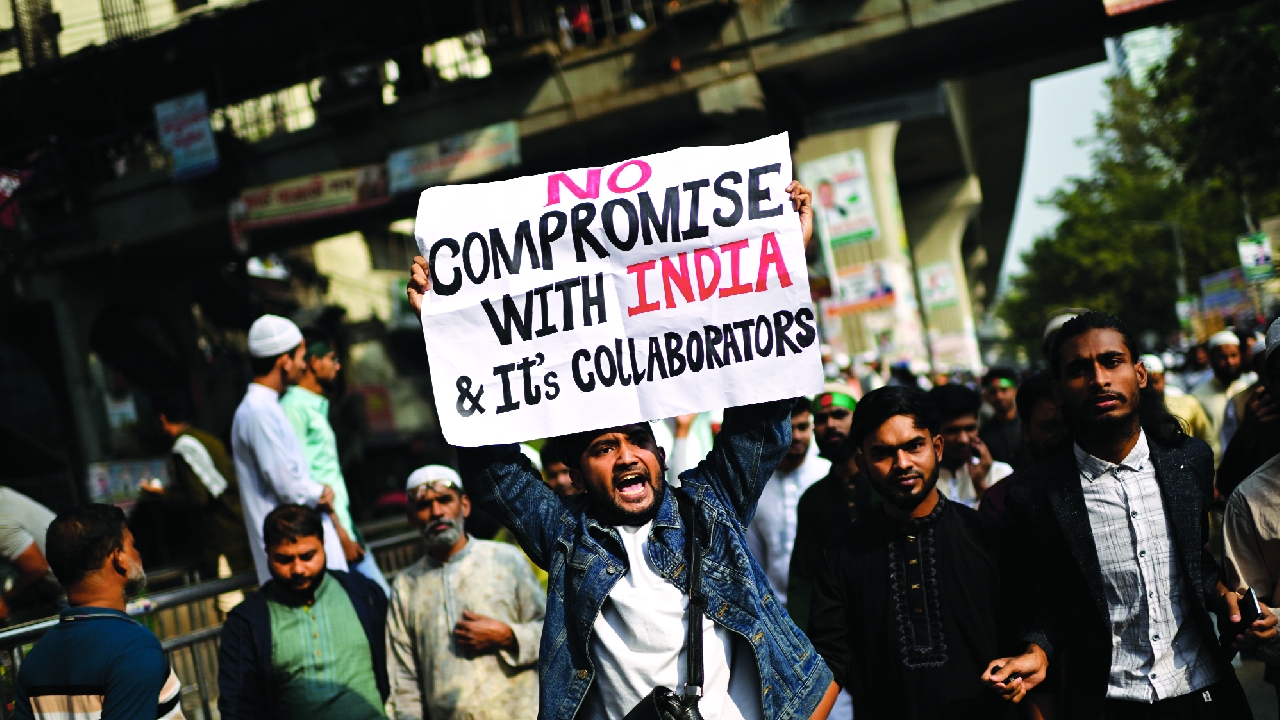
The lynching took place against the backdrop of widespread unrest triggered by the death of Sharif Osman Hadi, a student leader associated with radical politics who had played a key role in the July 2024 uprising and was known for his anti-establishment and anti-India rhetoric. Hadi died from gunshot wounds sustained during an attack by unidentified assailants earlier this month, sparking protests across the country.
Authorities said that while calls for justice over Hadi’s death were legitimate, honouring his legacy required restraint and a clear rejection of hatred and mob violence.
As the Yunus Government struggles to restore order, the killing of Dipu Chandra Das has underscored growing concerns over minority safety, mob justice and the fragility of law and order at a crucial moment in Bangladesh’s political transition.