Gig workers’ body backs EV policy but seeks job protection
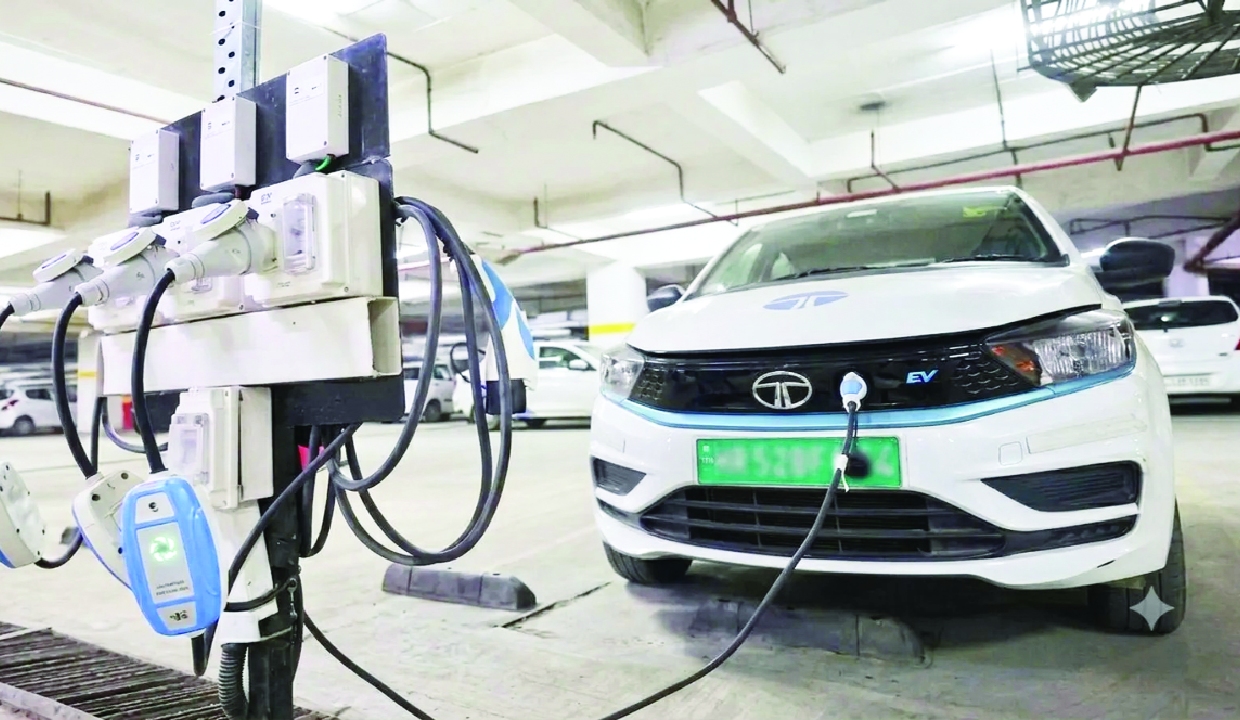
Welcoming the Delhi Government’s new Electric Vehicle (EV) policy as a significant step towards tackling air pollution, a gig workers’ body on Monday urged the authorities to ensure that the transition does not come at the cost of workers’ livelihoods. The Gig Workers Association (GigWA) said the shift to electric mobility should be “just and worker-centric”, stressing that delivery personnel, gig workers, auto drivers and other informal workers who rely on two-wheelers for their daily income should not be forced to shoulder the financial burden of the transition.
“The Government must ensure a smooth transition by providing interest-free loans, adequate subsidies, affordable charging and battery-swapping infrastructure, and social protection measures for workers,” GigWA Organising Secretary Nitesh Kumar Das said.
The association also demanded that existing vehicle owners should be allowed to continue using their vehicles and that no worker should suffer any wage or income loss because of the policy.
It further said platform companies, which depend heavily on gig workers, should share responsibility in helping workers switch to electric vehicles.
“A cleaner future cannot be built at the cost of workers’ livelihoods,” Das said.
The remarks came after the Delhi Cabinet approved the new EV Policy 2.0, which aims to accelerate the adoption of electric vehicles in the national capital and curb vehicular pollution.
Under the policy, buyers of electric two-wheelers will receive a subsidy of `30,000 in the first year, `20,000 in the second year and `10,000 in the third year.
The policy also provides for the phased withdrawal of CNG-powered two-wheelers, with only electric two-wheelers to be registered in Delhi from April 1, 2028.
Addressing a press conference earlier in the day, Chief Minister Rekha Gupta said around `15,000 crore would be invested under the policy over the next four years to promote electric mobility and reduce vehicular pollution in the city. The policy will come into effect from July 1 and is aimed at making Delhi a pollution-free city by March 31, 2030, Gupta said.
She said the new policy places special emphasis on the transport sector and provides a roadmap for the phased transition from conventional fuel-powered vehicles to electric vehicles, while introducing incentives and measures to encourage wider adoption of EVs across different vehicle segments.