From textiles to technology: India-New Zealand FTA to expand horizons
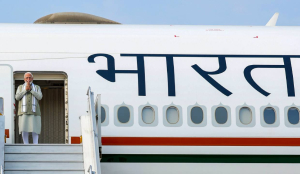
Prime Minister Narendra Modi on Monday described the India-New Zealand Free Trade Agreement (FTA) as both a “historic milestone” and a “once-in-a-generation” pact, highlighting its potential to significantly deepen economic ties and expand opportunities across sectors.
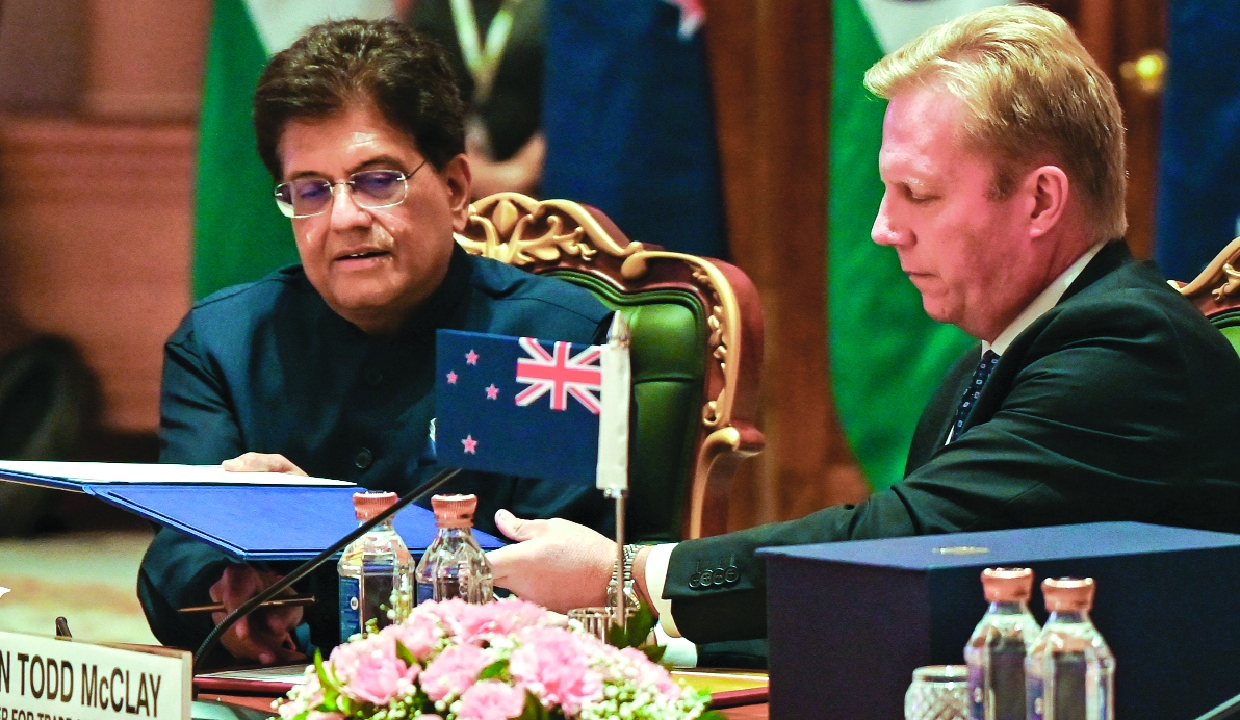
India and New Zealand formally inked the agreement earlier in the day, granting duty-free access to 100 per cent of Indian exports to the island nation, including key sectors such as textiles, leather footwear, and gems and jewellery. The agreement is expected to be implemented by the end of the year, subject to approval by the New Zealand Parliament, while in India, it requires clearance from the Union Cabinet.
In his statement, Modi said the FTA reflects a strengthening economic partnership anchored in shared democratic values, trust, and ambition. He emphasized that the deal would unlock new opportunities for farmers, youth, women, MSMEs, artisans, startups, students, and innovators.
“The investment commitment of $20 billion by New Zealand will further strengthen our cooperation in agriculture, manufacturing, innovation and technology, paving the way for a more prosperous and dynamic future for both countries,” Modi said in a social media post.
The FTA marks only the second time India has secured such a long-term foreign direct investment (FDI) commitment in a trade pact. A similar pledge of $100 billion was made by the European Free Trade Association in its agreement with India.
The agreement was signed by Commerce and Industry Minister Piyush Goyal and New Zealand’s Trade and Investment Minister Todd McClay, who is leading a 40-member delegation.
The pact is expected to double bilateral trade in goods and services to $5 billion within five years, officials said.
New Zealand Prime Minister Christopher Luxon described the agreement as a “once-in-a-generation” opportunity, noting that it would give exporters unprecedented access to India’s vast market of 1.4 billion people and a rapidly growing economy projected to become the world’s third largest.
Highlighting the broader impact, Modi said the agreement is “modern and balanced,” aligning the complementarities of both economies while promoting collaboration across agriculture, manufacturing, technology, education, and services.
He added that initiatives such as agricultural productivity partnerships and centres of excellence would combine New Zealand’s expertise with India’s priorities to boost rural development.
The prime minister also pointed to synergies with India’s flagship Make in India programme, noting that the investment commitments and trade facilitation measures would support startups, innovation, and job creation.
Commerce Minister Goyal said the agreement is India’s ninth trade deal in recent years with 38 developed countries, adding that it focuses on exports, agricultural productivity, student mobility, skills, investment, and services.
McClay described the FTA as a “high-quality” agreement that reduces trade friction, provides certainty, and establishes clear rules to help businesses expand and build long-term partnerships.
Negotiations for the agreement concluded in December 2025. The pact provides duty-free access across all tariff lines, covering product categories such as textiles, apparel, leather, footwear, gems and jewellery, engineering goods, and processed foods. It is also expected to boost MSMEs, enhance supply chain resilience, and generate employment by improving competitiveness in labour-intensive sectors.
Officials from both countries say the agreement represents a significant step toward a more integrated and resilient economic partnership, aimed at delivering shared growth and prosperity.