From prison walls to wedding vows: An unusual union in Satna
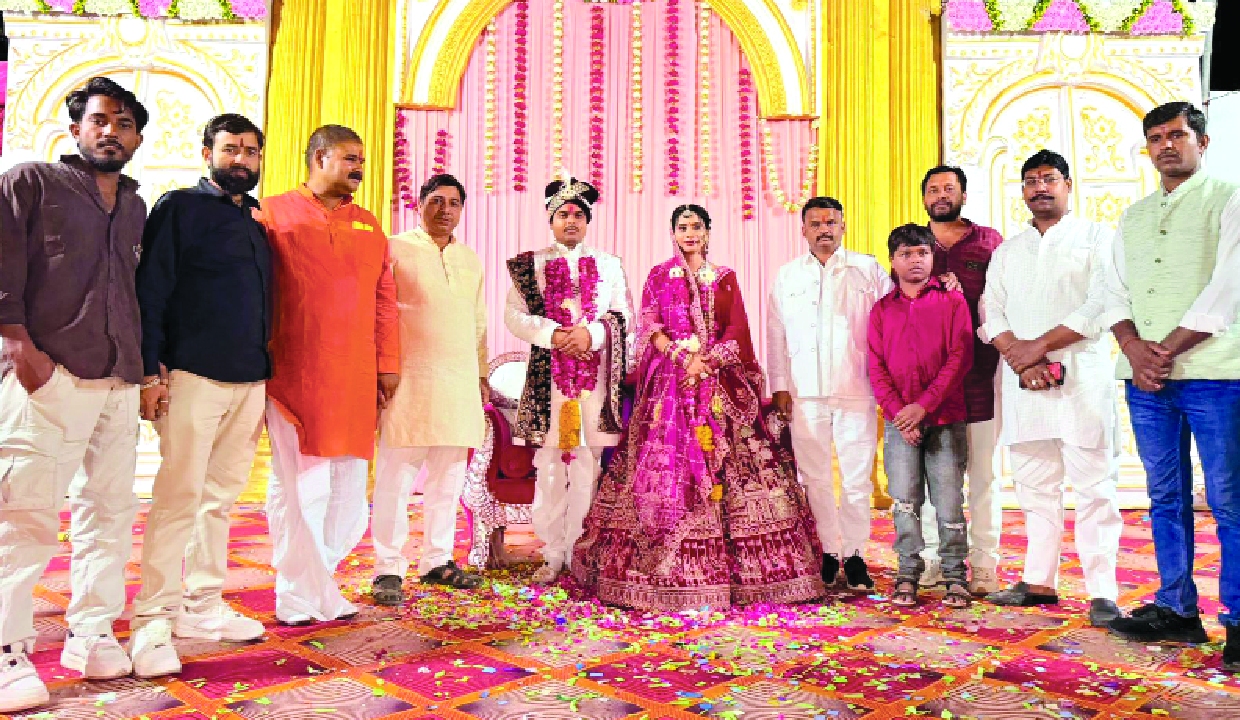
In an unusual and widely discussed development in Madhya Pradesh, a woman Deputy Jail Superintendent Firoza Khatun married Hindu former inmate Dharmendra Singh in Satna, drawing attention for both the interfaith nature of the union and the extraordinary circumstances surrounding their relationship.
The wedding ceremony was held on May 5 at Lavkush Nagar Marriage Garden in Satna and was attended by close associates, local residents, and social activists. Dharmendra Singh had earlier served a life sentence at Satna Central Jail, where the two reportedly came into contact during his incarceration. According to sources, Singh was released around four years ago on account of good conduct in prison.
People associated with the prison administration said the two had known each other for several years, and their interaction gradually developed into a close personal relationship. Despite differences in religion and social pressure, they eventually decided to formalise their relationship through marriage.
The ceremony was conducted according to Hindu rituals in a simple yet traditional manner. Photographs from the wedding, which later circulated widely on social media, showed the couple dressed in traditional attire as they exchanged garlands and received blessings from guests.
Sources said Firoza Khatun’s parents did not participate in the wedding ceremony. In their absence, local Bajrang Dal activists reportedly stepped forward to perform the “Kanya Daan” rituals during the marriage ceremony.
Officials familiar with the matter stated that all legal and administrative formalities were completed before the marriage took place. Necessary permissions were reportedly obtained to ensure that no official norms were violated.
The marriage has generated considerable discussion because the bride is a serving prison officer while the groom is a former inmate who had once been lodged in the same jail. The unusual nature of the relationship has sparked mixed reactions, ranging from admiration and support to criticism and disbelief.
Several social organisations and local activists present at the ceremony congratulated the couple and extended their support. Supporters described the marriage as a reflection of personal freedom and mutual trust, while critics questioned the appropriateness of such relationships involving prison officials and inmates.
People close to the development said the officer had earlier faced resistance and criticism over her decision, but remained firm and chose to marry publicly. The incident has now become one of the most talked-about developments in the region, triggering wider conversations on interfaith relationships, individual choice, and social acceptance in contemporary society.