From classroom to career
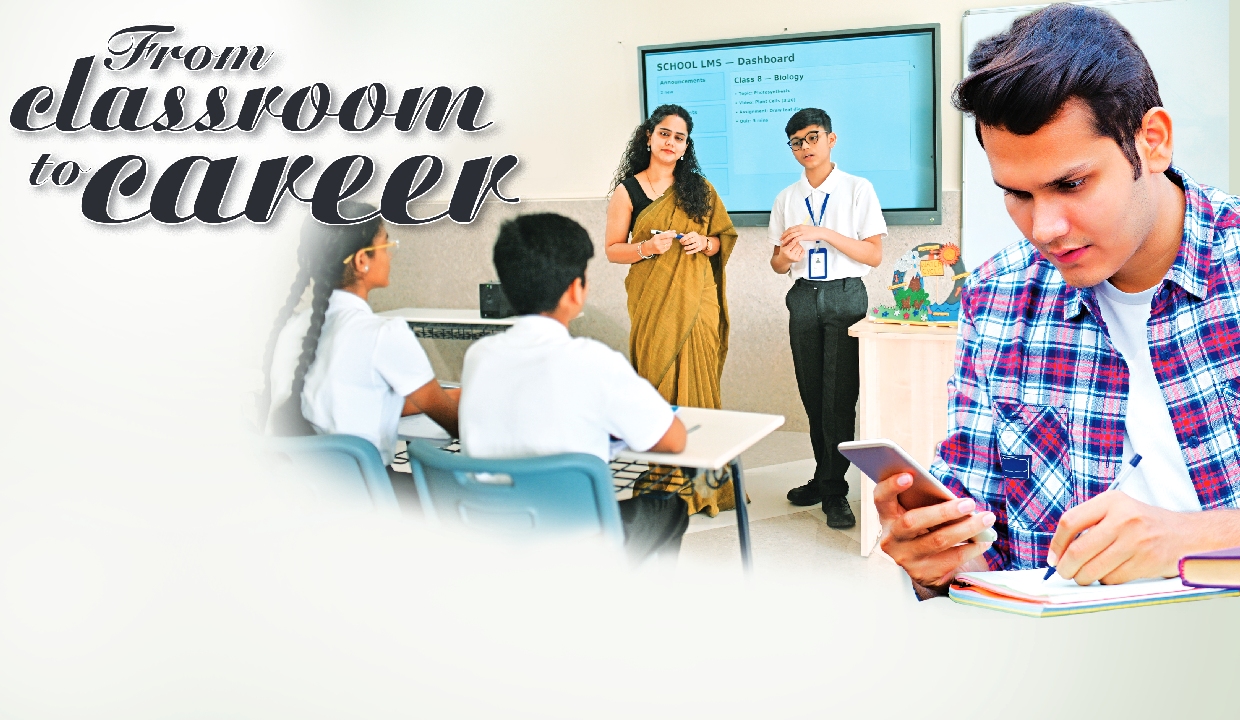
Since ancient times, India has been known as an educational hub and an intellectual superpower. From the study of the Vedas to ancient global universities such as Nalanda and Takshashila, India's educational evolution has long been celebrated worldwide. With more than 65 per cent of its citizens under 35, India is home to the world's largest youth population, making it clear that the country has an immense talent pool in the making. However, preparing millions of students for a globally competitive workforce requires more than quality education — it demands universal digital access. More than just book-based and cultural learning, it requires integrating modern, technology-driven education with India’s rich educational heritage.
Today, digital connectivity is no longer a convenience; it is the foundation upon which India’s future talent pipeline is being built. Recognising this shift, India has embraced digital transformation across schools, the workforce, banking, and the broader ecosystem through initiatives such as Digital India.
A decade ago, textbooks and physical classrooms were the primary sources of learning for students. Today, AI platforms such as ChatGPT, virtual lectures, online content, and digital libraries have become key resources for clearing competitive examinations and building professional careers long before students graduate. Whether you are studying in Assam or in a small town in Maharashtra, digital access determines the number of opportunities available to you.
According to the Ministry of Statistics and Programme Implementation’s 2025 Telecom Survey, 85.5 per cent of Indian households own at least one smartphone, while 86.3 per cent have internet access at home. Among young people aged 15 to 29, smartphone ownership has reached near-universal levels. It is now evident that digital access has become central to this generation.
This expansion has democratised learning. The Government initiative DIKSHA (Digital Infrastructure for Knowledge Sharing), established in 2017, is another example of India’s commitment to strengthening its future talent pipeline. Recently designated as India’s ‘One Nation, One Digital Platform’ for school education, DIKSHA demonstrates how digital public infrastructure can reduce educational inequalities by making high-quality learning resources available regardless of geography. Yet, the story is not entirely one of success.
India’s ambition to become a global knowledge economy continues to face challenges due to the persistent digital divide, which significantly hampers the country's progress towards achieving its goals.
According to the 2025 Digital Report by DataReportal, approximately 806 million people in India have access to the internet, with internet penetration now exceeding 55 per cent of the country's population. While this represents significant progress, it also highlights the fact that hundreds of millions of Indians remain offline. Bridging this gap will be critical to ensuring that India develops a future-ready workforce capable of driving economic growth and innovation.
Looking ahead, digital access is evolving far beyond what we once imagined. Multilingual AI tutors, virtual reality laboratories, blockchain-based academic credentials, and industry-integrated digital apprenticeships are poised to redefine education. Additionally, as 5G becomes more widely available, affordable smart devices and improved broadband connectivity in rural areas will accelerate this transformation.
Although this momentum continues to grow, India still needs affordable computing devices to strengthen its talent pipeline for the future. Alongside infrastructure development, the country must also enhance digital literacy, teacher training, cybersecurity awareness, and access to affordable devices to ensure its future workforce is truly job-ready. A student from a rural area may not be able to afford a high-end device. Still, if suitable devices are available at reasonable prices, digital access will no longer remain a barrier to talent. With a homegrown brand like WISHTEL, affordability need no longer be a challenge.
India has already built one of the world’s most impressive digital ecosystems. The next challenge and opportunity is ensuring that every citizen has the means to access it.
The writer is the Founder & CEO of WISHTEL; Views presented are personal.