Four decades of inaction: India slams Canada
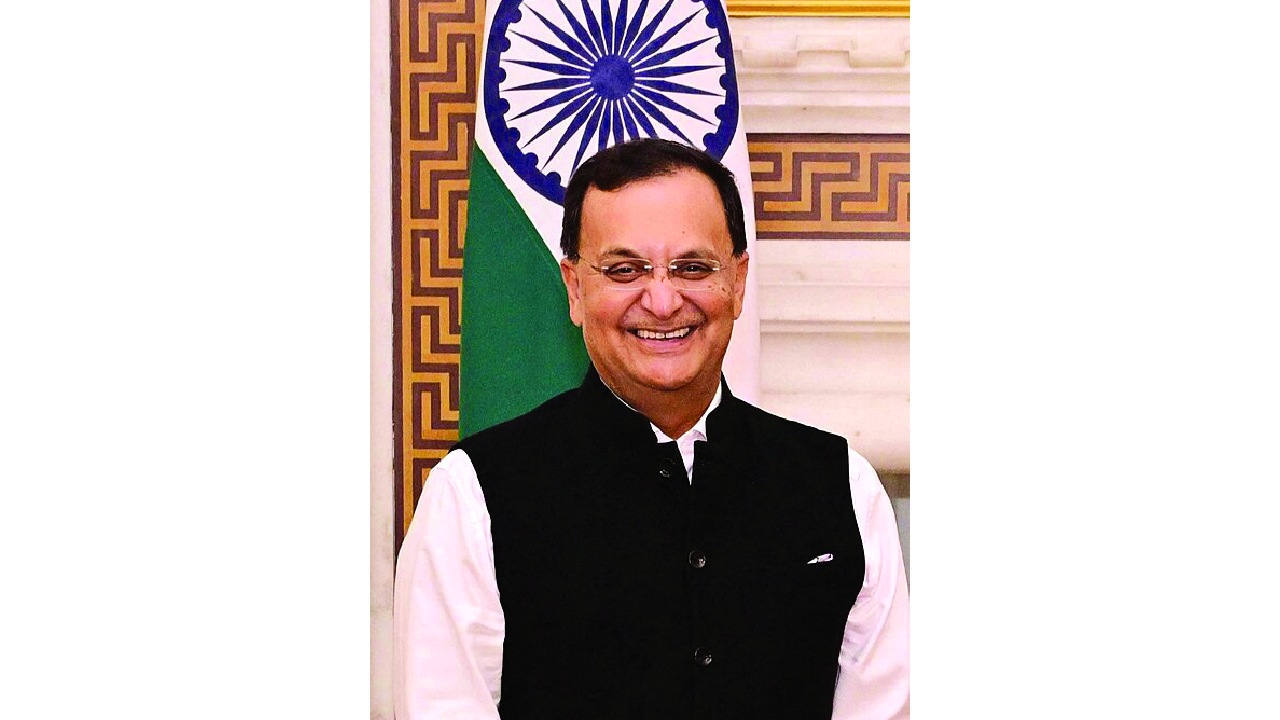
India’s High Commissioner to Canada, Dinesh Patnaik, has delivered one of the strongest public rebukes yet of Ottawa’s handling of extremist groups, accusing Canadian authorities of failing for nearly four decades to effectively act against terrorism operating within the country.
In a tense interview with Canada’s public broadcaster CBC on Tuesday, Patnaik said prolonged inaction by Canadian institutions had allowed extremist networks to function with impunity, creating security risks that have directly impacted India.
The discussion, held against the backdrop of British Columbia Premier David Eby’s trade visit to India and early signals from Ottawa about improving bilateral ties, quickly shifted from economic cooperation to the most contentious issue between the two nations-the killing of Khalistani extremist Hardeep Singh Nijjar and Canada’s allegations regarding India’s involvement. Responding to repeated claims by the CBC anchor that Canadian law enforcement and intelligence agencies possessed “credible information” implicating Indian agents in Nijjar’s killing, Patnaik challenged the assertion.
“Where is the evidence?” he asked, stressing that accusations against a sovereign state must be backed by proof. He argued that allegations, however serious, could not substitute for verified facts.
Turning the focus back on Canada, Patnaik said Indian concerns about extremist elements had been raised for decades without meaningful legal outcomes. “We have been flagging terrorism-related activities in Canada for 40 years. What action has been taken? Not a single conviction,” he said.
The High Commissioner pointed to the 1985 Air India bombing, which killed 329 people, most of them Canadian citizens, as a stark example of Canada’s failure to deliver justice.
“Even today, that investigation has not produced accountability,” he said, calling it a painful reminder of unresolved extremism and its consequences. Patnaik accused Canada of applying inconsistent standards, seeking evidence when India identifies suspected terrorists on Canadian soil, while expecting India to respond to allegations that remain unproven.
“When I accuse you and you say the evidence is insufficient, I accept that,” he said. “When you accuse me and I say the same, that principle should apply equally.”Addressing questions about trust in the Indian government, Patnaik categorically rejected claims that India engages in extrajudicial actions abroad.
“The Government of India does not do such things,” he said, adding that if evidence ever emerged implicating any individual official, India would take action internally without external pressure. He also clarified that India’s objections were not about freedom of expression or separatist referendums themselves. “We have never said holding a referendum is a crime,” he noted. “Our concern is with individuals involved who are wanted in India or engaged in terrorist activities overseas.”
At one point in the interview, Patnaik highlighted that the ongoing legal proceedings in Surrey involve four individuals, not the Indian government.“Where is the case against the state?” he asked, underscoring New Delhi’s position that allegations against India remain unsubstantiated.
With Canadian Prime Minister Mark Carney indicating an interest in resetting ties, accepting Prime Minister Narendra Modi’s invitation to visit India, and reviving talks on a comprehensive economic partnership agreement, Patnaik acknowledged that both sides were attempting to move past a difficult phase.
However, he cautioned that a durable reset would require a fundamental shift in Canada’s approach to security cooperation.“When we share information identifying individuals as terrorists active in Canada, we are repeatedly told there is not enough evidence to act,” he said. “That has been the response for 40 years.”
Summing up India’s stance, Patnaik said, “The law says innocent until proven guilty. Let the law take its course.”Until then, he suggested, Canada’s record reflects not vigilance but a prolonged failure to confront extremist threats-one that continues to strain bilateral relations.