Fine tuning 2026
In the quiet of a Kyoto garden, an old proverb seems to breathe with the moss and stones: “Shadow is the natural backdrop of light; it is the stage where forms reappear.” That wisdom feels newly present, as though what once lived in temples and tea rooms now shapes how we see the world. 2026 feels like a turning point. Creativity functions as wellness, and art works like a tonic for the soul.
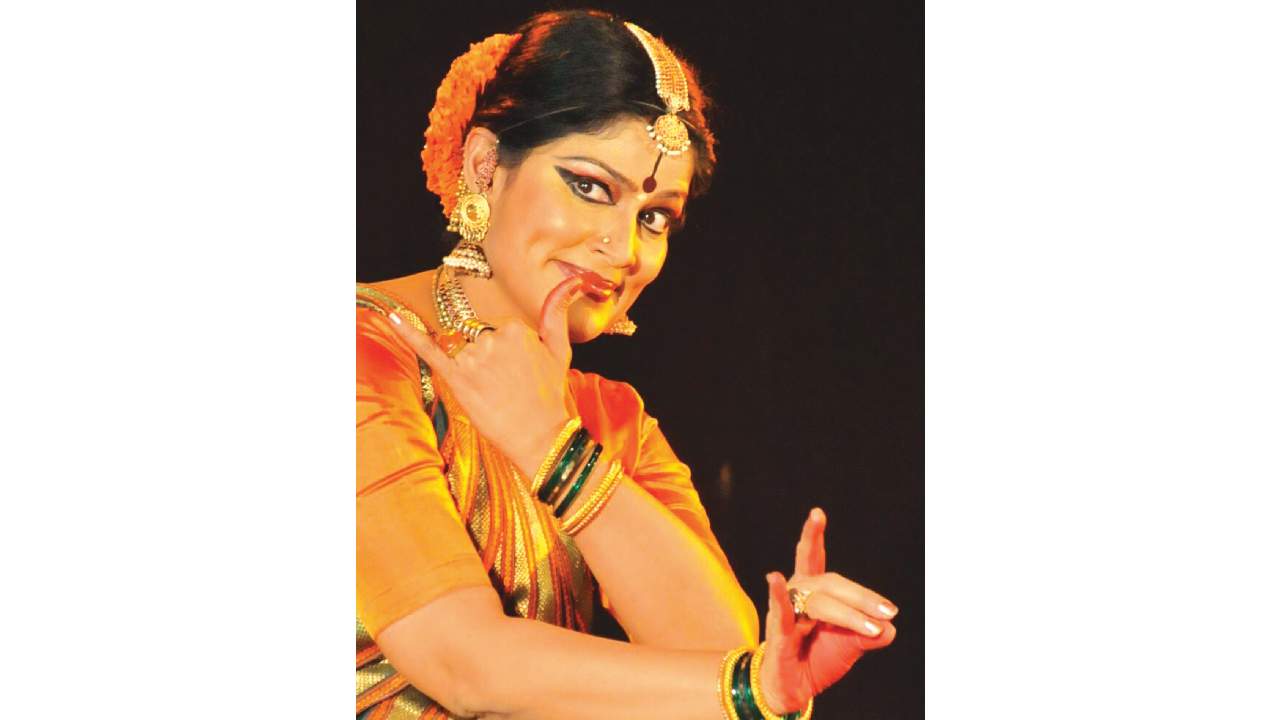 From the rhythm of the dance floor to the patient precision of the sewing room, making has begun to feel like a truer form of health — steady, restorative, deeply human. The question across studios, stages and ateliers remains: How do we make culture feel close again? Fashion steps into 2026 with a sculptural, reflective mood. If 2025 flirted with ‘baby blue’ or ‘butter yellow’ optimism and softened Gen-Z pastels, the year ahead leans toward structure and meaning.
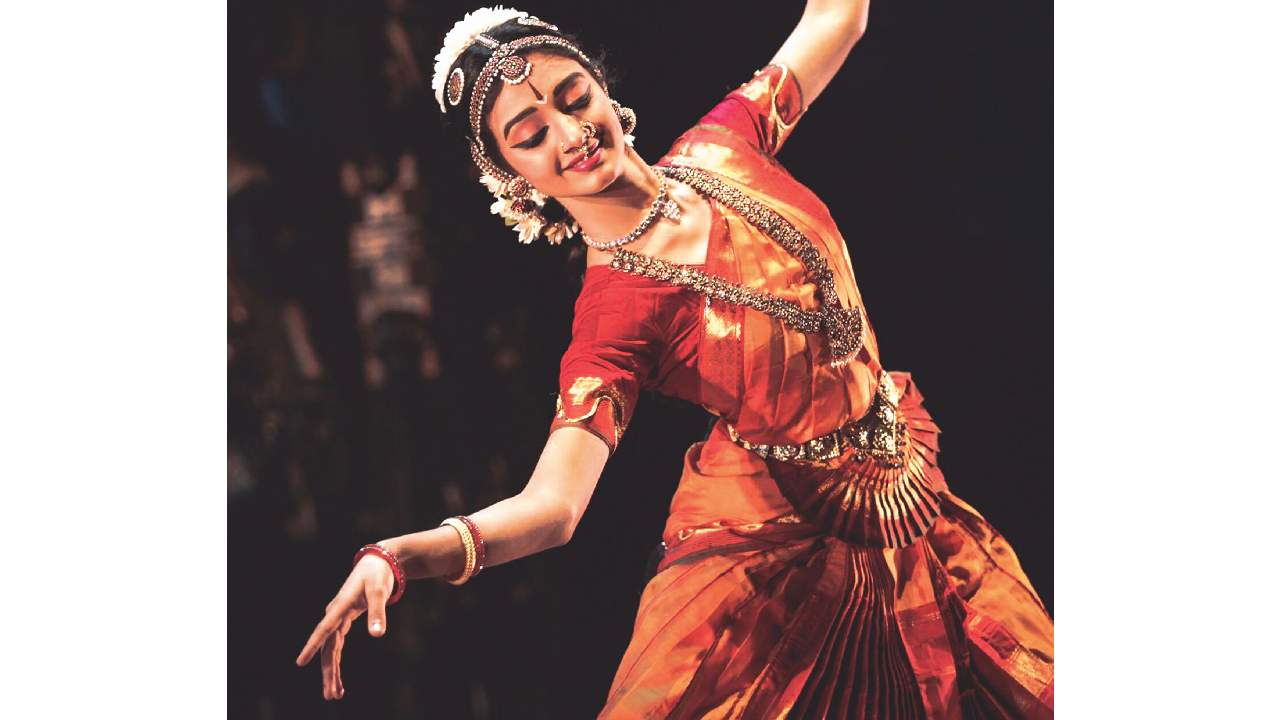 All eyes turn to the Met Gala 2026, where the theme Costume Art frames the dressed body as anchor and subject. Co-chaired by Beyoncé, Nicole Kidman and Venus Williams, the gala inaugurates the new Condé M. Nast Galleries at the Metropolitan Museum of Art, a 12,000-square-foot space situating fashion within five millennia of visual history. Designers are drawn to ‘thematic bodies’ — classical, maternal, ageing and drift away from fleeting hype toward garments that speak through hand-worked seams and architectural silhouettes.
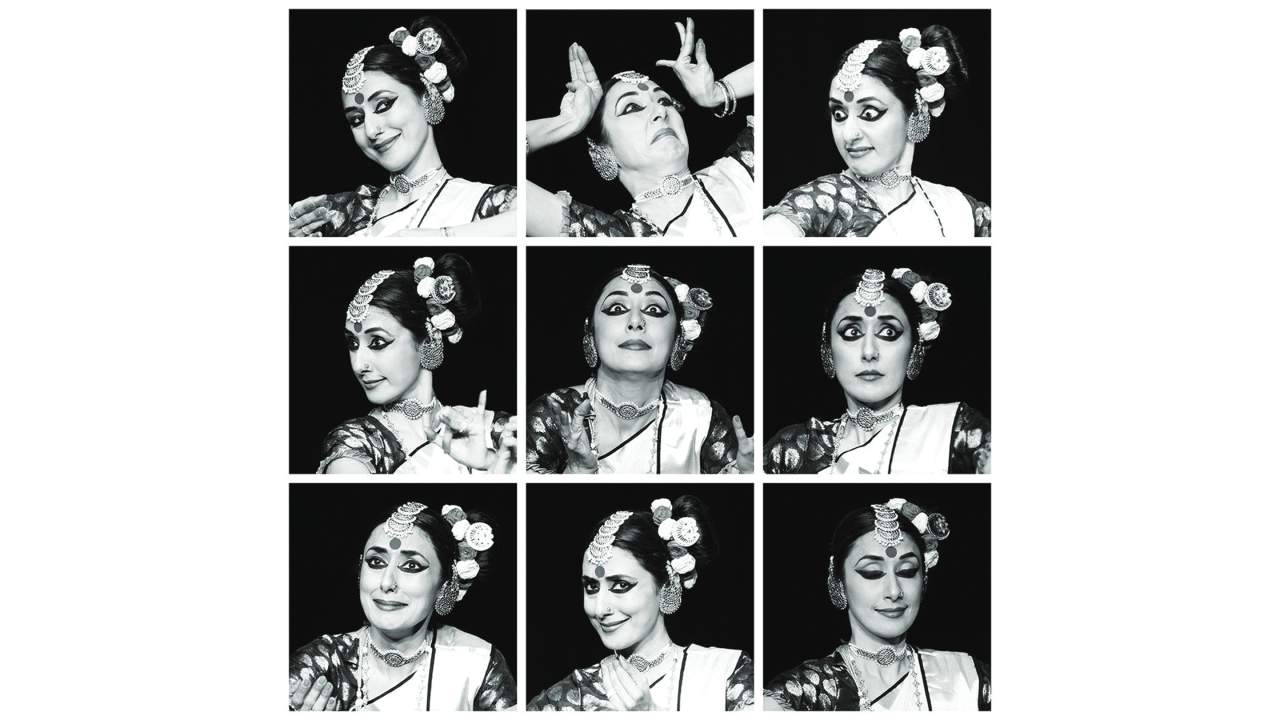
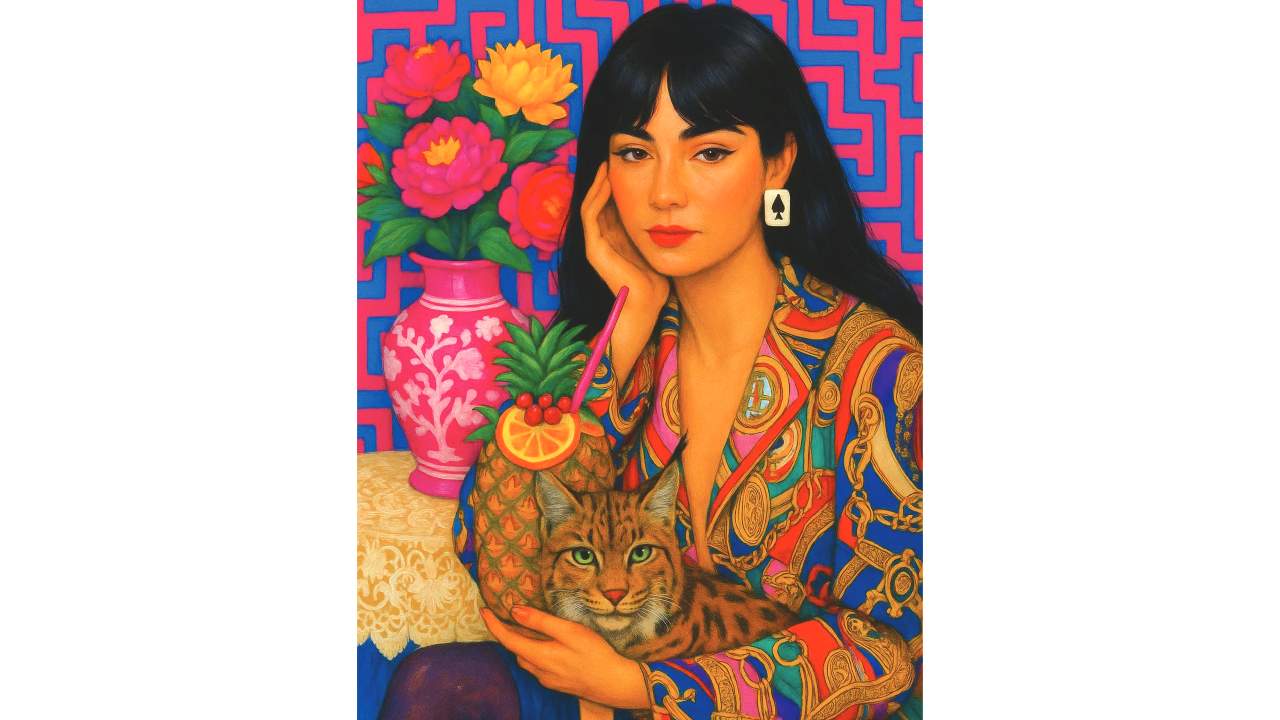 In dance, the gaze turns inward. Geeta Chandran describes performance as lived experience, where abhinaya and natya merge with instinctive grace. Her practice gestures toward a future in which movement becomes dialogue. Technology struggles to capture that kind of improvisation, reminding us that the ‘human spark’ still governs the stage. Music finds itself in parallel movement.
The rhythm-heavy tide of recent years is softening as audiences reach again for melody. As Jaspinder Narula notes, Jaspinder Narula observes a return to the heart: “Melody is returning to centre stage. Good music should prevail which is healing and pleasing.”. Film and media trace a similar balance. Leaders such as Rajat Agrawal, COO of Ultra Media, regard technology as a decision-support layer rather than a storyteller.
Algorithms manage scheduling and pattern-reading, while human judgment shapes nuance and emotion. In the gallery world, curator Manisha Gawade speaks of the hand as memory: making becomes a way to travel through uncertainty with dignity. From the classical depth of Kavita Krishnamurti to the self-love mood of Gen-Z wardrobes, 2026 feels like a settling of the soul — choosing what remains and what must be remade.
My sense of the year gathers around one idea: ‘Intention over Invention.’ We have lived through accumulation. What rises now is meaning. The future forms quietly, through conversation, collaboration and the discipline of choosing with care.
L Subramaniam(Violinist)
2026 is shaping up to be an interesting year. Many artists are struggling with visas in places like the United States, but obstacles are creating new avenues, as during COVID. Then, some even sold instruments, yet creativity adapted through home production and streaming. Now travel is pushing artists to work within India and regions. Industry support is vital; nations that aid culture know that without arts a nation risks losing soul.
Padma Shri geeta chandran(Dancer/Choreographer)
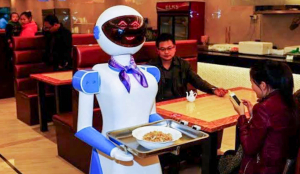
The 2026 challenge, as I see it, is to sensitise AI tools to the intricacies of Indian performing arts. While Western performing systems focusing entirely on body movement can be easily ‘AI-ed’, the algorithms will be challenged to integrate abhinaya/expression, narratives/natya and manodharma/impromptu creative flights. So while AI will challenge the global arts scene, India’s vast and varied performance techniques will equally challenge AI. How excitingis that!
Padma Shri Jaspinder Narula (Singer)
Over the past few years, we had seen a noticeable shift driven by the growing popularity of rhythm-focused music. Even rap, which dominates much of today’s scene, is largely built around rhythm, while melody had taken a back seat. However, the coming year may signal a change, with melody gradually returning to center stage-especially within livestream music! All that sounds good to ears and is likeable by masses gets popular you may like it or not! My only prayer is that good music should prevail which is healing, healthy & pleasing! Amin.
Manisha Gawade (Art Curator/ Artist)
Creating any kind of art can never be replaced by AI or anything robotic, a human touch not only expresses feelings and an individual’s artistic journey And life experiences but also heals the person creating it through his or her artistic expression. So often expression itself is the healing, art also heals feeling of loneliness and stress and brings inner calm. Not only 2026 but every year and every century and every civilisation ever has always been best expressed by art created by human hands and mind. It unreasonable to even imagine that a civilisation in future will have by art history created by robots or AI. Although Ai can assist artists in the creative process but intelligent artists won’t like Ai to penetrate further.