Family, Safety, and Dignity: Foundations of a productive mining workforce
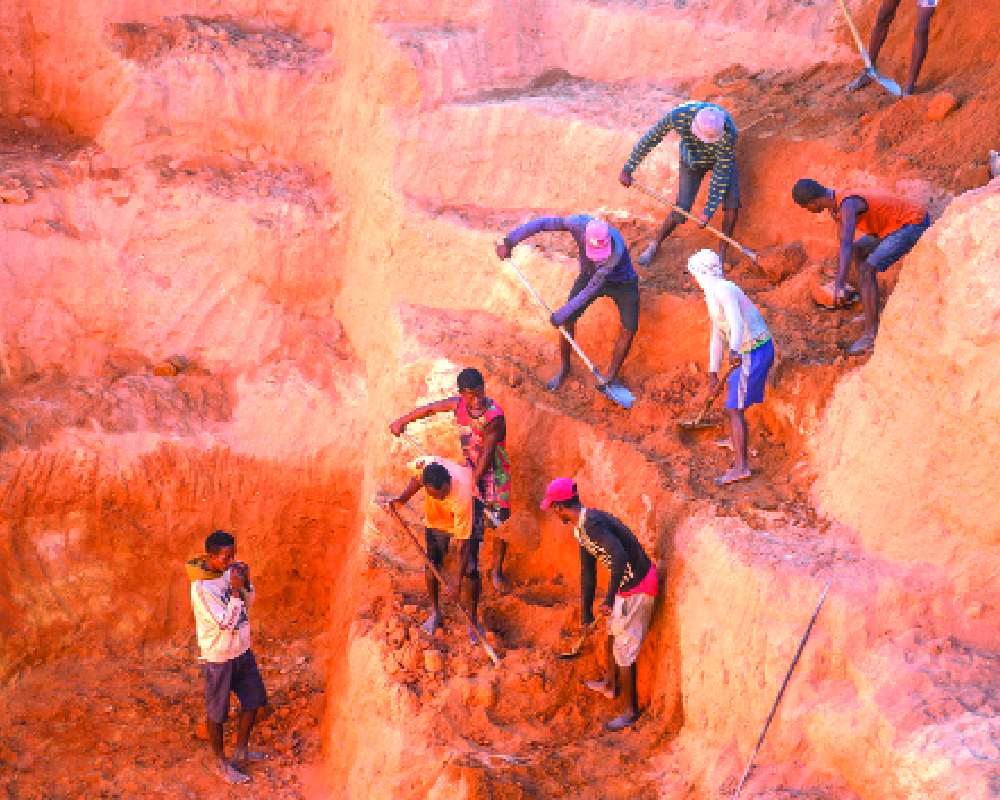
Mining has been the backbone for many downstream industries like cement, steel, aluminium, etc. As the focus is shifting towards decarbonisation and new energy minerals, mining will continue to meet the requirements of all aspirations of Viksit Bharat 2047.
There have been many changes in the usual way of working in mining with the adoption of automation, digitalisation, inclusive workforce. However, there are structural issues that are now becoming more visible than in the past. There has been a shift from departmental mining to a mine run by Mine Developer- cum-Operator(MDO), where the workers from the same locality or otherwise work on contract. The majority of them are male workers. Mining companies are making efforts to include more female employees. However, it remains a male-dominated workforce with 95 per cent participation from men. The second layer of this 95 per cent male workforce is what falls under the classification of migrant workers, sometimes from different districts and even different states.
The situation of migrant workers is precarious. If something happens to him, it is not only he who suffers; his entire family, who rely on him emotionally, socially, and financially-also faces hardship and loss. The challenges faced by migrant workers were further amplified during the COVID-like situation. Stronger protections, welfare programs, and safety nets are necessary not only during such emergencies, but also in everyday life for the workers who keep India’s mining sector running.
It is heartening to see that the Occupational Safety, Health and Working Conditions Code, 2020 (OHS & WC Code 2020) addresses the issue of migrant workers holistically. The code talks about registration of establishments with particulars of employment of inter-state migrant workers, and also provides the right to register by inter-state migrant workers on their own to the State and Central Government portal on the basis of self-declaration and Aadhar. The Code also mandates the contractor and employer to inform the specified authorities of both states, as well as the next of kin, in case of any fatality and serious bodily injury. The Code also emphasises ensuring the benefits of the public distribution system of inter-state migrants in the destination state and the native state. Facility of toll-free numbers and indemnity of debt or obligation on the part of the contractor are other highlights of the code. Employers are now required to pay these workers a sum for round-trip travel to their home state each year, making it easier for them to stay connected with their families, even from afar. These reforms have brought greater hopes for meaningful improvements to the daily lives of all mineworkers, including migrant workers. Mandatory appointment letter to bring transparency in terms of wages and job expectations, annual health check-up, and above all, defining the grandparents, widowed daughter and widowed sister as dependent family members of the worker are very important steps in these changing times, keeping life expectancy and social fabric in mind. The provisions related to occupational health issues and taking care of them even after a worker ceases to be in employment will have far-reaching positive implications on worker health and safety, and will definitely help the productivity of the worker and the profitability of the organisation.To enhance awareness of regulatory compliance, workers’ rights, and overall workforce empowerment, the Skill Council for the Mining Sector may develop a specialised training programme on the OSH & WC Code 2020 tailored for both industry stakeholders and workers within the mining sector. Additionally, the existing VTC ecosystem of the mining industry should get aligned with the NSQF of the GOI.
The OHS & WC Code 2020 underscores the Government’s commitment to streamlining regulatory frameworks for industry while simultaneously strengthening protections and empowerment for India's workforce. The path ahead calls for sustained efforts to foster nationwide awareness and ensure comprehensive compliance with the Code.The writer is Co-Chair, FICCI Mining Committee and Executive Vice President - Corporate Affairs,JSW Steel