Explained: Justice Varma case - panel proves charges, resignation stands, impeachment and FIR routes open
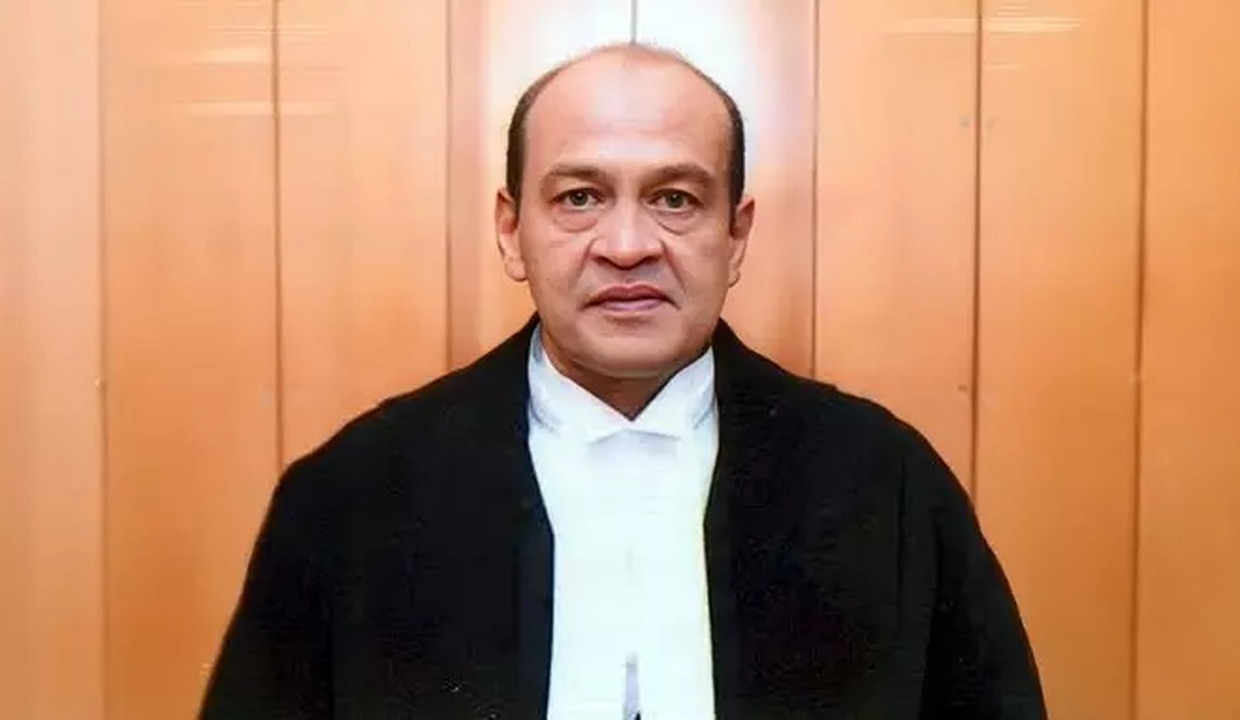
The Centre may go ahead with the impeachment process against Justice Yashwant Varma in the Winter session of Parliament, a day after a Lok Sabha Speaker-appointed panel found him guilty in connection with the discovery of stacks of unaccounted cash from his official residence.
A three-member committee formed by Speaker Om Birla under the Judges (Inquiry) Act, in its report submitted in both Houses of Parliament on Wednesday, said the charges of possessing unexplained cash, disturbing evidence and evasive explanation against Justice Varma "are proved". The probe panel was set up after nearly 200 MPs pressed for the judge's removal by Parliament.
Justice Varma has since resigned but his resignation is yet to be notified by the law ministry. His name still figures in the list of judges of the Allahabad High Court.
Sources aware of the development said the government is considering a proposal to go ahead with Justice Varma's impeachment process during the Winter session. When a high court or Supreme Court judge resigns, it is normally considered deemed to be accepted, but in Justice Varma's case, the resignation letter was sent only after his removal process began in Parliament and hence has not yet been accepted. The government may also want to set a precedent and send a message that a judge cannot escape the removal process even if he or she resigns after "indulging" in serious irregularities.
Legal experts were divided on whether an FIR can now be lodged against the former judge. Senior advocates said an FIR can be lodged against him as he has been found guilty by the panel, with his judicial immunity gone after resignation. Others held that the impeachment process has "worked itself out" as he has already tendered his resignation.
Senior advocate and constitutional law expert Rakesh Dwivedi said the Supreme Court's dismissal of earlier petitions on registration of an FIR against him will not have an impact if any fresh step is taken. "Now the report has been tabled in Parliament and he has already resigned, so he can't be removed. It, in my view, has become infructuous but on the basis of the report any FIR can certainly be registered," he said.
Senior advocate and Supreme Court Bar Association president Vikas Singh said that since the resignation has not been accepted as of now, Varma can be impeached, and impeachment would also strip him of pensionary benefits. Noted constitutional expert Rajeev Dhawan said the question of impeachment does not arise as he has already resigned and Parliament has "lost its jurisdiction", but the FIR route remains open. Senior advocate Gopal Sankaranarayanan disagreed, saying the panel appeared to place the entire onus on Varma to explain where the money came from.
The case dates back to March 14, 2025, when a fire broke out at Justice Varma's official residence in Delhi - he was a Delhi High Court judge then. Firefighters called to douse the blaze allegedly discovered a massive amount of burnt currency notes in a storeroom. Justice Varma was later repatriated from the Delhi High Court to the Allahabad High Court.
After referring to relevant laws and Supreme Court verdicts, the Delhi High Court chief justice found the charges serious and followed it up with an "in-house procedure". Then Chief Justice of India Sanjiv Khanna initiated an in-house probe and set up a three-member committee in March 2025. After receiving the report, the CJI asked Varma to resign or face impeachment proceedings; when he declined, the CJI forwarded the report and the judge's response to the president and the prime minister.
Birla formed the three-member committee in August last year after admitting a multi-party notice for his removal, setting in motion the impeachment process under section 3(2) of the Judges (Inquiry) Act, 1968. On April 9, Varma - facing impeachment over allegations of corruption - resigned with immediate effect in a letter to President Droupadi Murmu, rendering the removal proceedings "infructuous". He was due to superannuate on January 5, 2031.
The committee, in its report, said Varma failed to furnish a satisfactory explanation on the presence, source or ownership of cash found in the storeroom of his official residence. It also said material evidence was not secured or preserved and the evidentiary condition of the storeroom was disturbed before the lawful sealing and inspection.
With the panel's report tabled in Parliament and the government weighing impeachment in the Winter session, the case now hinges on two questions - whether resignation can shield a judge from removal proceedings, and whether the report opens a criminal route in the form of an FIR.
(With inputs from PTI)