Explained: FCRA Bill sent to joint committee - what the referral means and what's next
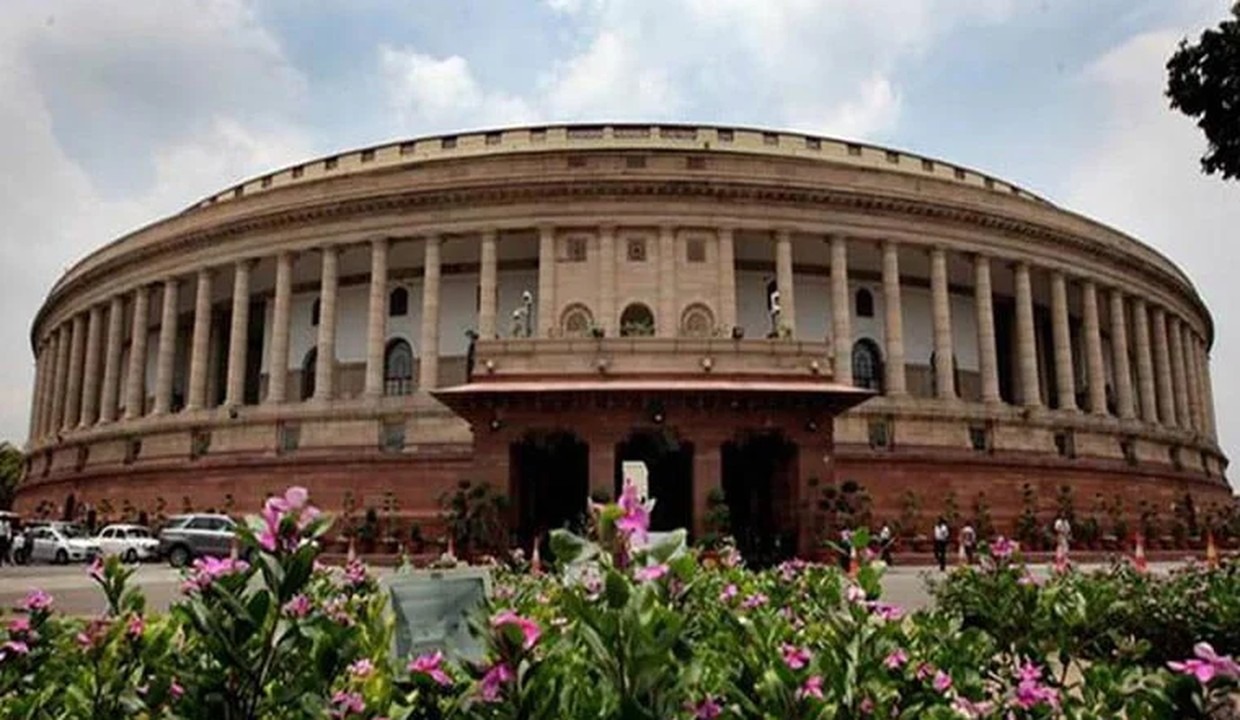
The Foreign Contribution (Regulation) Amendment Bill, 2026, has been referred to a 31-member joint committee of Parliament, with both Houses moving the proposed law there within 24 hours amid sustained protests by the Opposition, which alleged that it targets minorities and non-government organisations and demanded its withdrawal.
The Lok Sabha sent the Bill to the joint committee on Wednesday amid sloganeering by opposition MPs, a day after the Rajya Sabha adopted the referral motion by voice vote. The motion in the Lower House was moved by Minister of State for Home Nityanand Rai.
The Bill, introduced in the Lok Sabha on March 25, proposes tighter government oversight over NGOs and foreign funding. It seeks to create a designated authority to manage and dispose of assets if an organisation loses its FCRA licence.
Opposition parties have alleged that certain provisions of the Bill could affect legitimate foreign funding for Christian NGOs and minority-run social welfare and educational institutions.
Congress MP K C Venugopal said the legislation was clearly for targeting NGOs and minority institutions doing good work, and demanded its withdrawal. "On the one side, the RSS is getting complete donations from foreign countries, while on the other side, the government is trying to target minorities and NGOs," he said.
Samajwadi Party MP Akhilesh Yadav said the entire Opposition was against the Bill and took a dig at Home Minister Amit Shah for not being present in the House. DMK MP T R Baalu also demanded that the Bill be withdrawn.
Parliamentary Affairs Minister Kiren Rijiju rejected the allegations and challenged the Opposition to point out any provision in the proposed legislation that discriminated against minorities. "If they have any reservations about the Bill, they can speak in the JPC. This is not targeted at any minority community," he said.
Rijiju, who also holds the Minority Affairs portfolio, said the Congress and other opposition parties had themselves demanded that the Bill be referred to a House committee for detailed scrutiny, and alleged that a campaign was being run to mislead certain communities.
"I challenge Akhilesh ji to show one provision which is against minorities. Lies are being spread in the country. This country is not a banana republic," he said, asserting that the government would ensure no provision in the Bill was against any minority community.
BJP MP Jagdambika Pal, who was in the Chair during the Lok Sabha proceedings, said the government had agreed to the demand of referring the legislation to a joint parliamentary committee and there would be a "threadbare discussion" on it.
The 31-member joint committee will comprise 21 members from the Lok Sabha and 10 from the Rajya Sabha. The Lok Sabha members will be nominated by Speaker Om Birla, while those from the Rajya Sabha will be nominated by Chairman C P Radhakrishnan. The committee has been asked to submit its report to the Lok Sabha by the last day of the first week of the Winter Session of Parliament in 2026.
Nagaland Chief Minister Neiphiu Rio and Mizoram Chief Minister Lalduhoma had earlier urged the Centre to refer the Bill to a joint committee for detailed examination, while Meghalaya Chief Minister Conrad K Sangma had also raised concerns over its provisions with the Centre.
Adding to the political crossfire, BSP chief Mayawati said both the government and the Opposition had politicised the Bill. She said the Opposition should have allowed Parliament to function when the Bill was introduced and highlighted its shortcomings instead of disrupting proceedings, and accused it of failing to raise alleged irregularities in donations to the Ram temple in Ayodhya.
In a parallel development that could shape the debate, the Kerala High Court set aside the Centre's decision not to renew the FCRA certificate of two NGOs accused by central agencies of funding agitations against the Vizhinjam sea port, holding that financial support to a protest cannot be seen as diversion of foreign funds. The court said the right to protest is constitutionally guaranteed and cannot be labelled an undesirable purpose because of political disapproval.
(With inputs from PTI)