EC tells SC it is competent to undertake SIR of electoral rolls
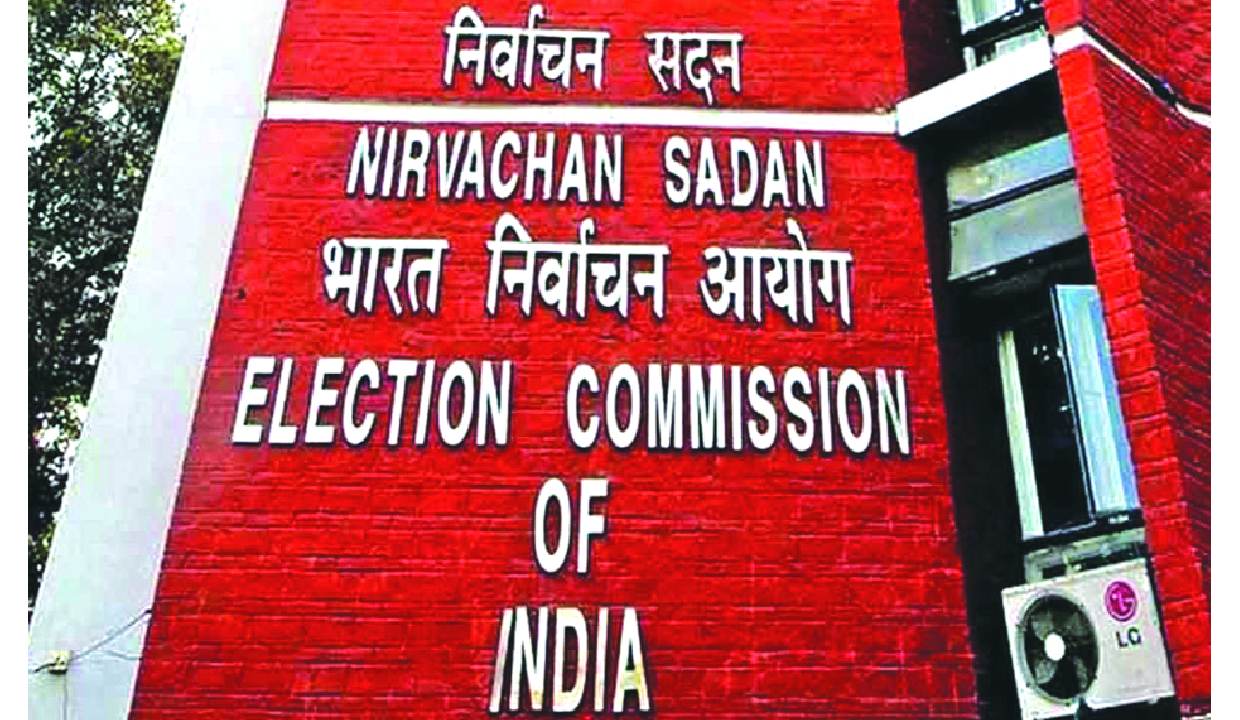
The Election Commission (EC) told the Supreme Court on Tuesday that it has the power and competence to undertake a Special Intensive Revision (SIR) of the electoral rolls, besides, there is a constitutional duty to ensure that no foreigners are registered as voters.
The submissions were made by senior advocate Rakesh Dwivedi on behalf of the EC before a bench of Chief Justice Surya Kant and Justice Joymalya Bagchi.
The bench resumed final hearings on a batch of petitions challenging the EC’s decision to undertake the SIR exercise in several States, including Bihar, raising significant constitutional questions on the scope of the poll panel’s powers, citizenship and the right to vote. Dwivedi pointed out that all key constitutional functionaries across the three organs of the State must be Indian citizens, citing provisions such as Article 124(3) of the Constitution relating to the appointment of Supreme Court and High Court judges.
He said one of the key conditions for the appointment of top constitutional functionaries like the president, the vice president and the prime minister is that the person has to be an Indian citizen.
“All vital appointments... No appointments can be made unless the person is a citizen, so our Constitution is citizen-centric predominantly,” Dwivedi said.
Referring to constitutional schemes, he said, “The (constitutional) article, when it says citizens, that is something which has to be inquired by the competent authority.
What should be the nature, summary, etc., that is a different question.... There is a constitutional duty to ensure that on the electoral roll, there should not be any foreigners.”
The poll panel is not supposed to respond to political parties’ rhetoric, the senior advocate said.
“I am not commenting on the political parties, as the Election Commission, our duty is that no foreigner should be there.... It is to be seen that the power is there and the competence is there,” he added. Resuming his arguments, Dwivedi posed a central constitutional question and asked “whether Article 324 of the Constitution, which vests the Election Commission with powers of superintendence, direction and control over elections, is entirely displaced by statutory provisions, or whether its application must be examined on a case-to-case basis”.
He said Articles 324, 325 and 326 of the Constitution, read with section 16 of the Representation of the People Act, do not foreclose the EC’s authority in the field of revision of electoral rolls.
“The field is not totally foreclosed,” Dwivedi submitted, asserting that the EC retains constitutional competence to ensure the purity of the electoral rolls.