Duty cuts on textiles, cars, wines likely in India-EU FTA: Sources
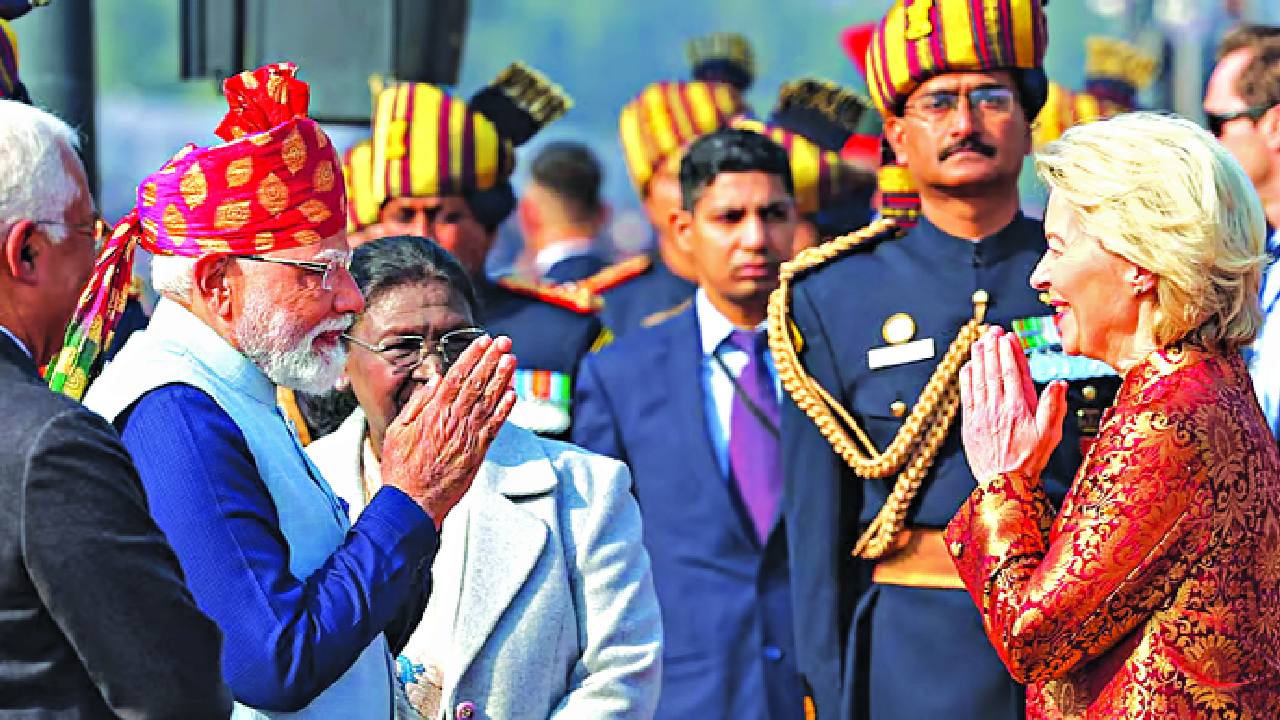
Import duty cuts on labour-intensive sectors such as textiles and footwear, as well as cars, and wines, are likely to be part of the free trade agreement between India and the 27-nation bloc European Union (EU), the conclusion of which is set to be announced on January 27 here, sources said.They said the pact is also expected to include liberalisation of norms in several services sectors.
India has pushed for zero-duty access for its labour-intensive sectors such as textiles, leather, apparel, gems and jewellery, and handicrafts. This has been a key demand in all free trade agreements (FTAs), finalised by India, this is one of the key demands and has been met in each one of them, including with the UK, the UAE, and Australia.
On the other hand, the EU has been demanding duty reductions for its automobiles and alcoholic beverages including wines. India has granted quota-based tariff concessions in its trade pact with the UK in the automobiles sector. Wines are part of trade deals with Australia and New Zealand. India has provided duty concessions to Australian wines in a phased manner over a period of 10 years.
In September last year, Commerce Secretary Rajesh Agarwal, who was then a special secretary, said the proposed trade pact with the EU will provide huge opportunities for the domestic auto industry to boost exports and forge new partnerships with leading automobile giants from the 27-nation bloc. Under the India-UK trade pact, signed in May 2025, tariffs on automotive imports will be reduced from over 100 per cent to 10 per cent under quotas on both sides.
India has included adequate safeguards in the FTA with the UK to protect its sensitive sectors. In the automobile segment, the import duty will be reduced over a 10-15-year period. India and the European Union are set to announce on January 27 the conclusion of negotiations and the finalisation of an FTA. The pact is nearing the finishing line after 18 years of negotiations. The talks started in 2007.
The EU’s tariffs on Indian goods are about 3.8 per cent, but labour-intensive sectors attract about 10 per cent import duty. India’s weighted average duty on EU goods is about 9.3 per cent, with particularly high duties on automobiles, parts (35.5 per cent), plastics (10.4 per cent), and chemicals and pharmaceuticals (9.9 per cent).
India imposes a duty of 100-125 per cent on alcoholic beverages. Sensitive agriculture issues have been kept out of the deal. The EU has been protective of its beef, sugar and rice markets. India, on the other hand, has protected its farm and dairy sectors from competition, as the livelihoods of large numbers of small and marginal farmers depend on them. In an FTA, two sides reduce or eliminate import duties on over 90 per cent of goods traded between them.A trade deal also includes easing of norms to promote trade in services sectors such as telecommunications, transportation, accounting, and auditing.
Besides FTA, the two are also negotiating a pact in investment protection and Geographical Indications (GI). The India-EU FTA covers 24 chapters, including trade in goods, and services.
India’s bilateral trade in goods with the EU was $136.53 billion in 2024-25 (exports worth $75.85 billion and imports worth $60.68 billion), making the EU India’s largest goods trading partner. The services trade in 2024 was $83.10 billion. India had a trade surplus of $15.17 billion in 2024-25.
The EU market accounts for about 17 per cent of India’s total exports, and the bloc’s exports to India constitute 9 per cent of its total overseas shipments.
Customs duty cut on imported cars to help expand luxury car segment: BMW India
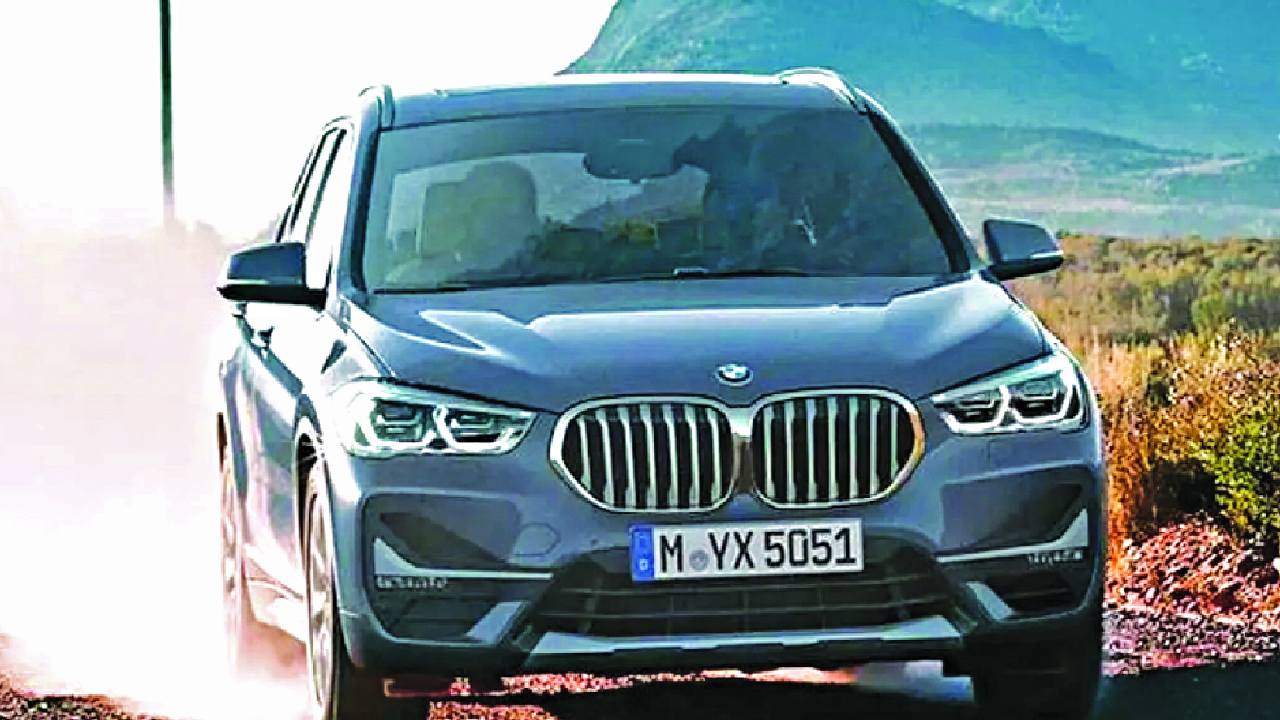
New Delhi: Reduction in customs duty on imported cars under the India-EU free trade agreement could enable the growth of the luxury car segment in India, which currently remains minuscule, BMW Group India President and CEO Hardeep Singh Brar said on Monday.The domestic luxury car segment accounts for just 1 per cent of the overall passenger vehicle segment.
The India-EU Free Trade Agreement would be a historic milestone benefiting both sides by expanding trade and enabling deeper exchange of technology and innovation, Brar said in a statement.“From an automotive industry perspective, we hope the FTA will include balanced, win-win provisions that help stimulate demand in the luxury segment while strengthening supply chain integration which is especially important in the current geopolitical context,” he added. If customs duties on completely built units are reduced, it would help expand the luxury car market in India, Brar stated.
“While CBUs (completely built units) currently account for about 5 per cent of our sales, such a framework would allow us to broaden our product portfolio, introduce globally popular models and test new offerings,” he stated. If demand scales up, it could also support deeper localisation over time, he added. “Given that luxury vehicles form only about 1 per cent of the passenger vehicle market, this would benefit consumers without impacting mass market players, making it a genuine win-win for both India and the EU,” Brar said.At present, imported passenger vehicles priced below $40,000 attract a basic customs duty of 70 per cent, and those priced above $40,000 are taxed at an effective customs duty of 110 per cent.
He noted that there is a strong and positive signal of confidence in India’s long-term growth story.India today is not just a large market, but a future-ready economy backed by reforms and policies focused on building a globally competitive ecosystem, he added.India and the EU are set to announce on January 27 the conclusion of negotiations and the finalisation of an FTA.The pact is nearing the finishing line after 18 years of negotiations. The talks started in 2007.