Questions over late-night voting dominate electoral integrity meet
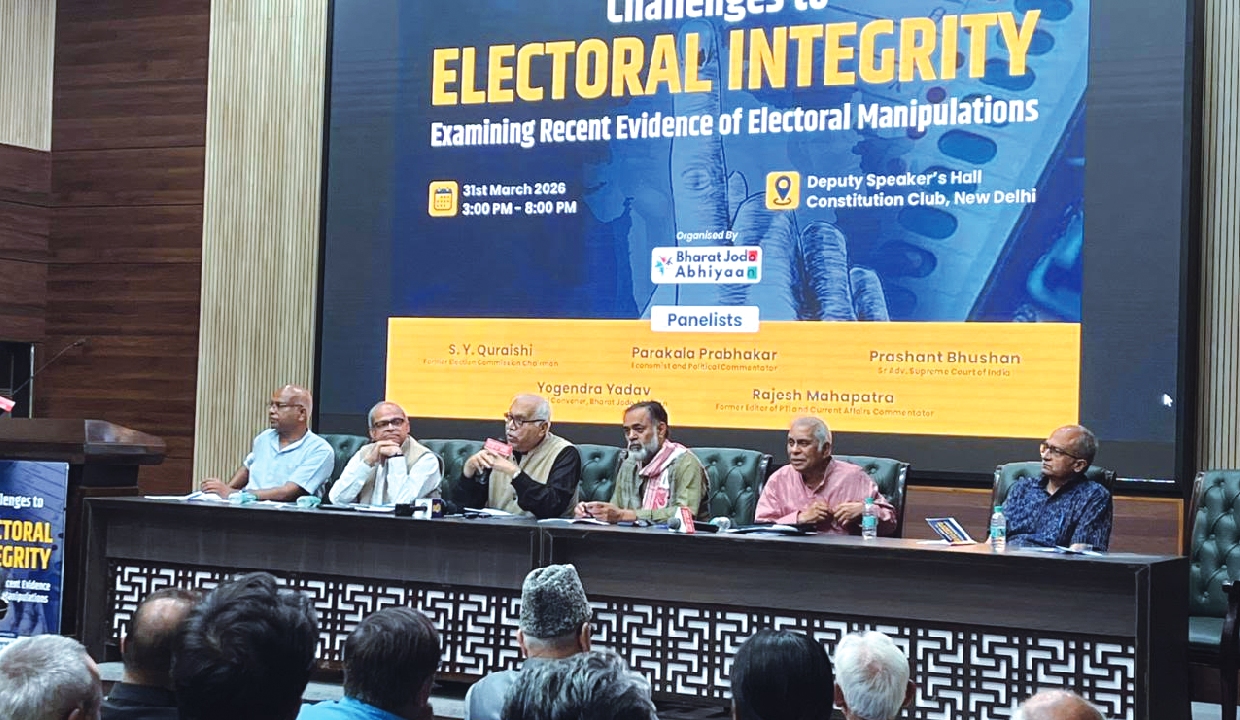
Concerns over electoral transparency and data integrity took centre stage at a conference organised by the Bharat Jodo Abhiyan in the national Capital early this week. Legal experts, former officials, and policy commentators gathered to examine alleged anomalies in voting patterns during the 2024 Andhra Pradesh Assembly elections, raising questions about the robustness of existing electoral safeguards.
Economist and political commentator Parakala Prabhakar presented a detailed data analysis highlighting what he described as “unusual” polling trends on election day. He pointed out that voting reportedly continued until 2 am in nearly 3,500 polling booths, asking, “What explains voting continuing till 2 am?”
According to the figures shared, 4.16 per cent of the total polling was recorded between 11:45 pm and 2 am. Nearly 52 lakh votes were cast between 8 pm and 2 pm, including over 17 lakh after midnight.
The data suggested that one vote was cast approximately every 20 seconds post-midnight.
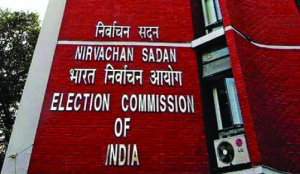
Raising logistical concerns, Prabhakar questioned whether such voting rates were feasible, especially given the technical constraints of Electronic Voting Machines (EVMs). “If 14 seconds are taken as machine timeout, is it possible to cast two votes in just six seconds?” he asked, adding that “something unusual appears to have occurred after 8 pm.” He urged the Election Commission of India to provide clear explanations.
Senior advocate Prashant Bhushan echoed concerns about transparency and institutional accountability. He questioned why Form 17C data was not being made widely available in machine-readable formats and flagged potential vulnerabilities in the EVM and VVPAT systems. Bhushan argued that without mandatory and comprehensive paper trail verification, doubts about electoral integrity would persist. He also called for greater procedural safeguards, including videographic documentation of the number of voters in the queue at the close of polling.
Bhushan further raised concerns about what he termed a broader decline in institutional credibility, citing the role of investigative agencies such as the Central Bureau of Investigation and the Enforcement Directorate. He urged citizens to remain vigilant, warning that a lack of transparency could undermine democratic processes.
Former Chief Election Commissioner SY Quraishi called for systemic reforms to restore confidence in the electoral process. He recommended forensic audits of Form 17C and Form 20, and stressed that polling percentage data should be released on the same day in accordance with established norms.