DGCA raps Air India operations
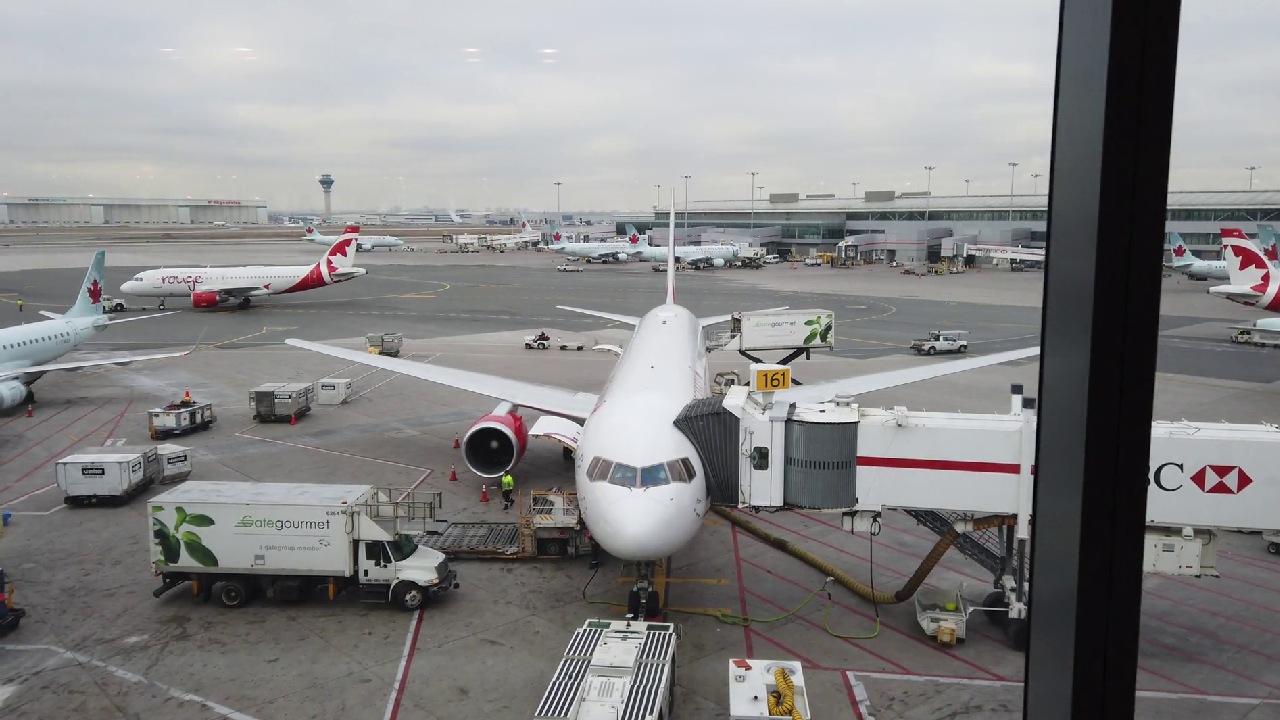
The Directorate General of Civil Aviation (DGCA) on Wednesday sought an explanation from Air India for operating a Boeing 787-8 Dreamliner despite repetitive technical snags. In a show-cause notice issued this week, the DGCA has flagged snags pertaining to Dreamliner VT-ANI. The DGCA said crews operating Air India (AI) flights AI358 and AI357 accepted the aircraft with prior awareness of system degradation and MEL restrictions.
The notice states that this was not an isolated incident and that similar issues had been detected in the past. The DGCA has also asked the pilots to explain why action should not be initiated against them under the Aircraft rules and requirements.
The notice, issued on December 29, pertains to several operations of flight AI-357 from Delhi to Tokyo and AI-358 from Tokyo to Delhi. “It has been observed that M/s Air India Limited, during the operation of Flight A1-358 (and related operations of A1-357), serious safety concerns arose pertaining to aircraft dispatch, Minimum Equipment List (MEL) compliance and flight crew decision-making. Whereas, during the operation of Flight Al-358, the operating crew received PACK ACM L and Pack Mode advisories, and a smell of smoke was reported near the R2 door,” the DGCA said.
The DGCA has asked Air India to reply show cause within 14 days of receipt of this notice as to why appropriate enforcement action should not be initiated against you under the relevant provisions of the Aircraft Rules and Civil Aviation Requirements for the above-mentioned violations. There was no comment from Air India. The DGCA’s review showed that faults affecting the same systems had been reported multiple times. The aircraft was still dispatched despite this known history. This raised concerns over operational judgement, risk assessment, and adherence to structured maintenance and dispatch controls.
The notice further said, “Whereas, repetitive snags related to the same systems had been recorded on five previous sectors, indicating a known history of system degradation. Whereas, the aircraft VT-ANI was dispatched with incompatible MEL items, in contravention of CAR Section 2, Series B. Part 1. Paras 2.2 and 2.3. Whereas, despite the above, the pilots of Flights AI-358 and A1-357, including yourself, accepted the aircraft for operation with prior knowledge of repeated snags and existing system degradations”.
The DGCA cited a specific case of non-compliance on June 28, 2025, linked to MEL O conditions involving the lower right recirculation fan on AI358. The regulator said the crew did not properly assess the combined operational and safety effects of multiple inoperative systems, as required under CAR.
CAR requires that flight crews evaluate how multiple issues might interact to increase risk. The DGCA said this duty of assessment was not carried out to the required standard and that MEL provisions appeared to be applied without sufficient consideration of linked system performance.
According to sources, the regulator has flagged that there were safety concerns related to aircraft dispatch, MEL compliance and flight crew decision-making during the operation of flights AI 258 and AI 357.“Failure to submit your reply within the stipulated period shall result in the matter being decided ex parte based on the evidence available on record,” it said.
Meanwhile, in a post on X, the Directorate General of Civil Aviation (DGCA) said transfers and postings of officers and staff are internal administrative decisions, undertaken as per established Government rules, service requirements, and organisational needs. “These routine measures are essential for ensuring regulatory effectiveness, operational efficiency, and continuity of aviation safety functions nationwide. “Any speculation regarding such transfers or appointments is misleading and unfounded,” it said.