DGCA issues safety advisory, airlines suspend flights
The Directorate General of Civil Aviation (DGCA) has issued a stern alert to airlines and airports amid escalating tensions in the Middle East, to avoid airspaces of 11 countries, including Iran, Saudi Arabia, UAE, till March 2, triggering precautionary measures across the country’s civil aviation network.
The countries are Iran, Israel, Lebanon, UAE, Saudi Arabia, Bahrain, Oman, Iraq, Jordan, Kuwait and Qatar. Many airspaces are already shut in the wake of the attacks on Iran by Israel and the US on Saturday. Indian airlines have suspended their services to the Middle East.
The DGCA said this advisory is effective immediately and remains valid until March 2, 2026, unless reviewed or superseded by further developments. Operators are requested to acknowledge receipt of this communication and confirm that flight planning departments have been updated accordingly. The advisory has been issued in alignment with international safety standards and the European Union Aviation Safety Agency’s Conflict Zone Information Bulletin (CZIB), it said.
Carriers have been asked to closely monitor all updated Aeronautical Information Publications (AIPs) and Notice to Airmen (NOTAMs) issued by the affected countries and national authorities.
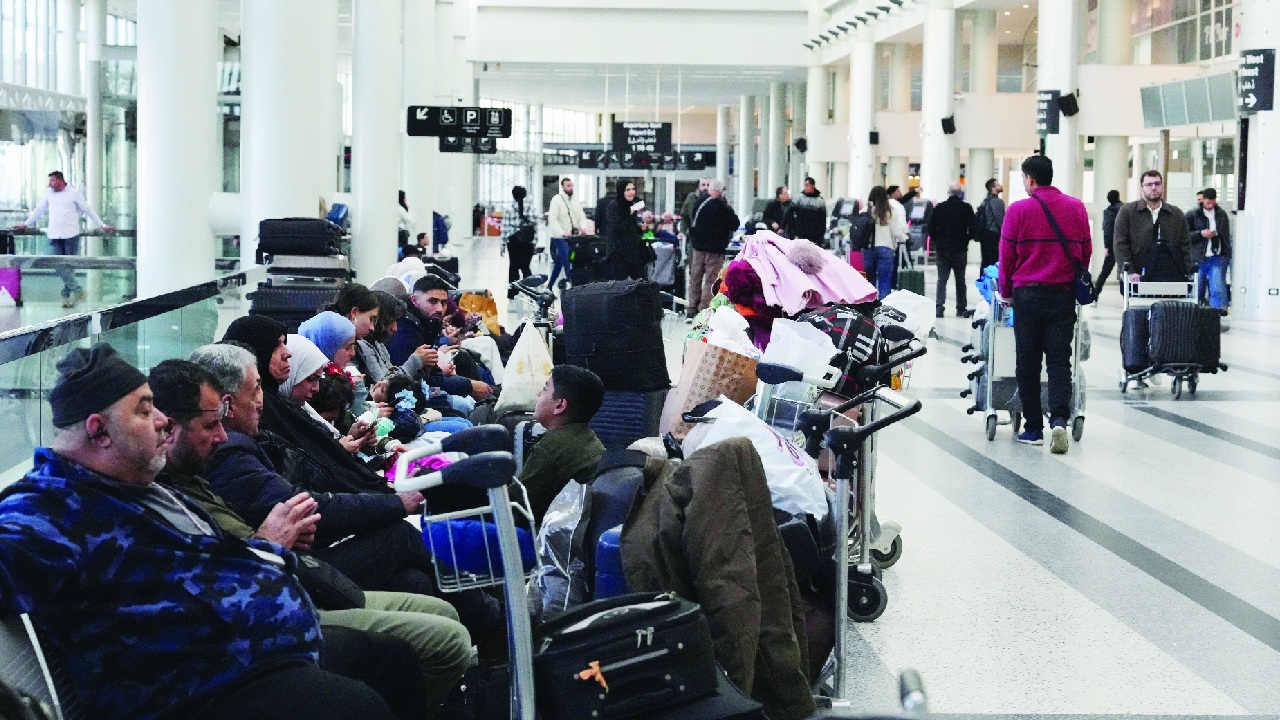
Union Civil Aviation Minister Ram Mohan Naidu and Secretary SK Sinha held a review meeting on the impact on flights and passengers. As large swathes of its airspace became a no-go zone, airlines were forced to cancel flights to the region and reroute other westbound flights to avoid the affected corridors.
Meanwhile, the escalating confrontation involving Israel, Iran and the United States has triggered widespread disruption in global aviation, with airlines across Europe, Asia and the Gulf cancelling, suspending or rerouting flights as multiple countries shut their airspace.
Airspace closures announced by Iran, Israel, Iraq, the United Arab Emirates, Jordan and Syria have forced carriers to revise schedules at short notice, citing passenger and crew safety as the overriding priority.
Dubai-based Emirates temporarily suspended certain operations as regional airspace restrictions took effect, while also stating it is closely monitoring developments and coordinating with authorities.
Pakistan’s national airline, Pakistan International Airlines, halted services to several Middle East destinations.
Japan Airlines cancelled its Tokyo Haneda-Doha service, while Oman Air suspended flights to Baghdad, citing security concerns. Several European carriers announced immediate cancellations. Lufthansa halted flights to Dubai, Beirut and Oman, while KLM advanced the suspension of its Amsterdam-Tel Aviv service.
British Airways cancelled flights to Tel Aviv and Bahrain through early March, and Air France suspended services to Tel Aviv and other regional destinations, citing security risks.
Swiss carrier Swiss International Air Lines suspended Tel Aviv services and cancelled Zurich-Dubai flights over the weekend, offering rebooking options and refunds to affected passengers.
Greek carrier Aegean Airlines suspended flights to Tel Aviv, Beirut and Erbil, while Bulgaria’s national airline Bulgaria Air cancelled Tel Aviv operations until March 2.
Virgin Atlantic stopped using Iraqi airspace and cancelled its London Heathrow-Dubai service as a precaution. Turkish Airlines suspended flights to Lebanon, Syria, Iraq, Iran and Jordan until March 2. Qatar Airways temporarily halted services following the closure of Qatari airspace, while Kuwait’s civil aviation authorities suspended flights to Iran.
Low-cost carrier flydubai confirmed that several of its services were disrupted due to temporary airspace closures across the region. Meanwhile, Russia’s transport authorities announced that Russian airlines had suspended flights to Iran and Israel, with alternative routes being planned for Gulf-bound services, though with extended travel times.