Delhi to get AI-powered traffic grid with smart signals, enforcement
The Union Cabinet, chaired by Prime Minister Narendra Modi, on Wednesday approving Intelligent Traffic Management System (ITMS) to ensure the existing road network in the Capital is managed more intelligently through real-time traffic data, adaptive traffic signals, automated enforcement and an integrated command-and-control system.
The project expected to cost Rs 1,789.52 crore.
The project will cover 42 identified traffic corridors and will be implemented in three phases over 24 months, followed by five years of operation and maintenance.
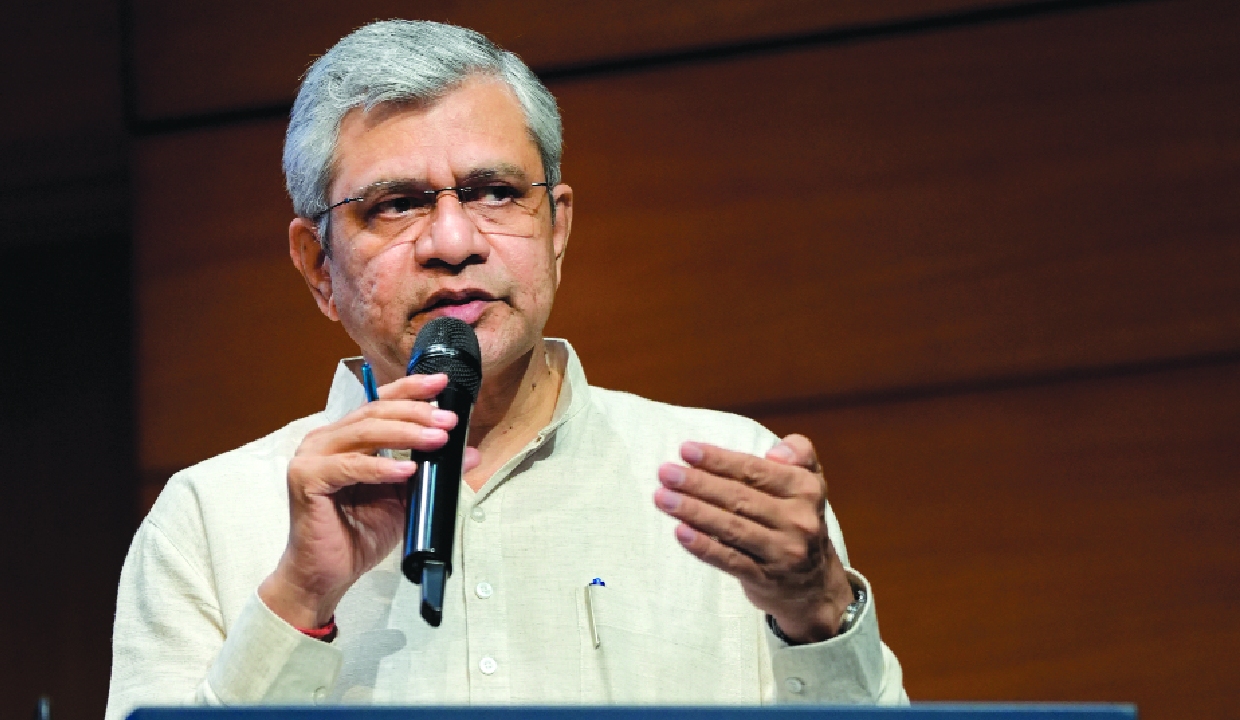
Briefing media after the Cabinet meeting, Union minister Ashwini Vaishnaw said, the technology-driven project will enable Delhi's existing road network to be managed more intelligently through real-time traffic data, adaptive traffic signals, automated enforcement and integrated command-and-control systems.
"The project is expected to contribute to smoother traffic movement, safer roads, quicker incident response, more effective enforcement and a more predictable travel experience for citizens. Traffic regulation, enforcement and information dissemination will be brought together on a common platform through Traffic Command and Control Centres, supported by secure Data Centre and Disaster Recovery infrastructure," Vaishnaw said.
The project will cover 1,092 Adaptive Traffic Control Systems and 1,029 enforcement locations. Implementation will be performance-driven, with each subsequent phase to be taken up after evaluation of the preceding phase against prescribed testing, commissioning, acceptance and performance parameters. Delhi Police will implement the project through a Master System Integrator selected through competitive bidding. C-DAC will provide technical support as Project Management Consultant, including technical scrutiny, monitoring, validation and acceptance during implementation and operation and maintenance.
The system will strengthen automated traffic violations. AI-based analytics will also assist in identifying stolen, hot-listed and blacklisted vehicles, repeat violators and vehicles connected with hit-and-run incidents.
According to a statement, adaptive Traffic Control Systems will dynamically adjust signal timings according to prevailing traffic conditions and coordinate signals along identified corridors, helping reduce avoidable stoppages and delays.