Delhi-NCR chokes, GRAP Stage IV curbs imposed
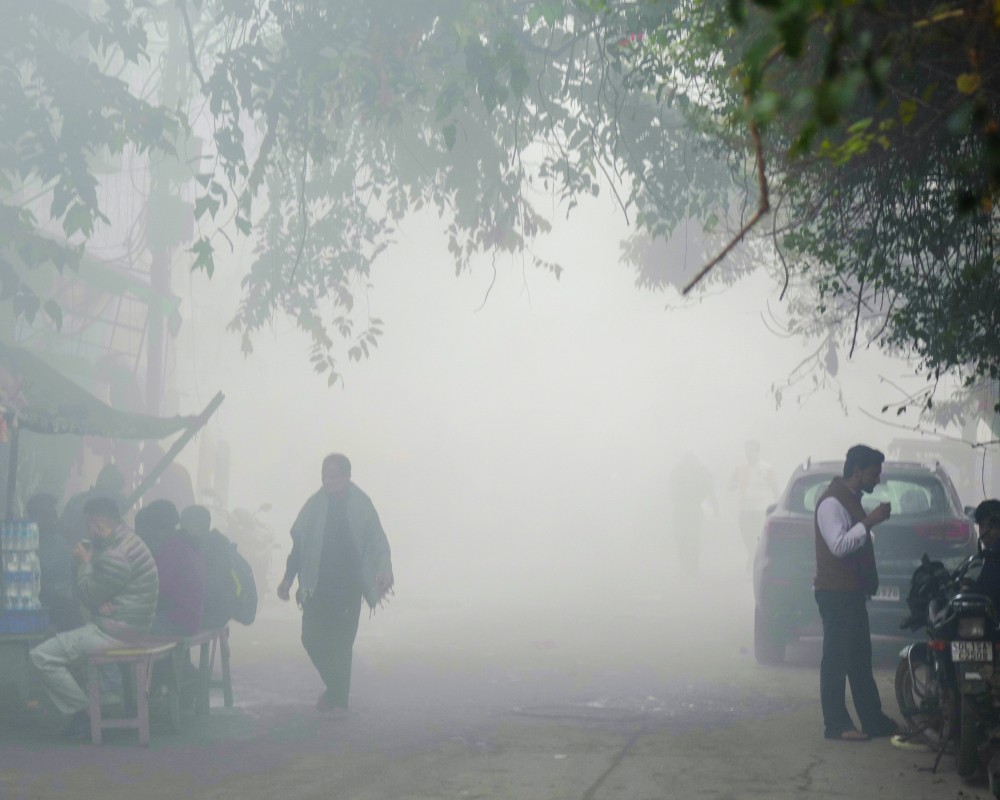
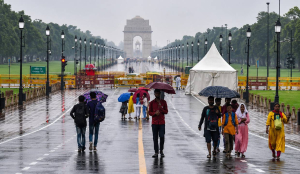
Acute air pollution across the National Capital Region (NCR) on Sunday compelled authorities to order stricter emergency measures, sharply impacting school schedules, office attendance and public activities as Delhi recorded its worst air quality of the season.
With the Air Quality Index (AQI) touches 461 firmly in the “severe” category, the Commission for Air Quality Management (CAQM) put into operation the toughest curbs under the Graded Response Action Plan (GRAP), including limits on mobility, construction, outdoor activities and physical presence in institutions.
Classes in schools across Delhi and adjoining NCR districts, including Noida and Ghaziabad, were revised with effect from Monday, 15 December, due to the aggravating pollution. As stated by a circular issued by district administrations, classes from pre-nursery to class V would continue fully online. The classes for VI to IX and XI shall be hybrid, meaning students can attend classes either physically or online, which is to be decided by the parents of the students concerned, based on the school facilities available.
The school authorities explained that the school timings from 7.50 am to 1.50 pm would remain the same, and the school buses would ply as usual. Classes for class X and class XII would continue in physical mode owing to the requirement for board examinations. Flexibility has been given to parents by allowing them to opt for online classes, a measure to decrease children’s toxic air exposure.
Colleges and higher educational institutions have also been told to reduce physical attendance. Offices and private establishments in Delhi will have to operate with only 50 per cent of their staff strength in line with the existing government orders, while the GRAP Stage III and IV are in force. The State Governments of NCR have been asked to consider similar work-from-home arrangements to cut down on vehicular emissions.
It also ordered an immediate ban on outdoor sports and physical activities in Delhi-NCR. By an order, the Commission expressed concern that despite a landmark SC order dated 19th November, some schools and institutions continue to hold sports in open areas. Such activities seriously expose people, especially children, to health risks. According to the Central Pollution Control Board (CPCB), Delhi’s overall AQI stood at 458 at 2 pm on December 14, placing the city deep in the severe category. This came after the 24-hour average AQI stood at 431 at 4 pm on Saturday.
Under the most stringent stages of GRAP, authorities have completely banned BS-III petrol and BS-IV diesel four-wheelers in Delhi and key NCR districts — Gurugram, Faridabad, Ghaziabad and Gautam Buddha Nagar. Entry of trucks into Delhi has been banned, except for those carrying essential goods or running on cleaner fuels like CNG, LNG, electric or BS VI diesel. All construction and demolition work has been banned across the NCR.
Health experts warned of a “severe” air quality that can affect the health of even healthy individuals and can badly deteriorate respiratory and cardiac diseases. Many hospitals complained about the influx of patients with complaints of shortness of breath, irritation in the eyes and persistent cough.
The CAQM attributed the sudden spike in pollution principally to unfavourable meteorological conditions rather than a sharp rise in emissions. The calm winds, shifting wind directions, and increased moisture levels due to a weak western disturbance have resulted in poor dispersion of pollutants and formation of dense smog, the Commission said.
The authorities have been directed to scale up the ground-level activities, like mechanical road sweeping, timely disposal of dust from roads and water-sprinkling systems, and to take strict action against open burning of waste, especially at sites belonging to land owned by the Delhi Development Authority. Officials said that the air quality is expected to remain severe over the next few days with marginal improvement unless the weather conditions change.