Delhi govt grants reserved forest status to 673 hectares of central ridge
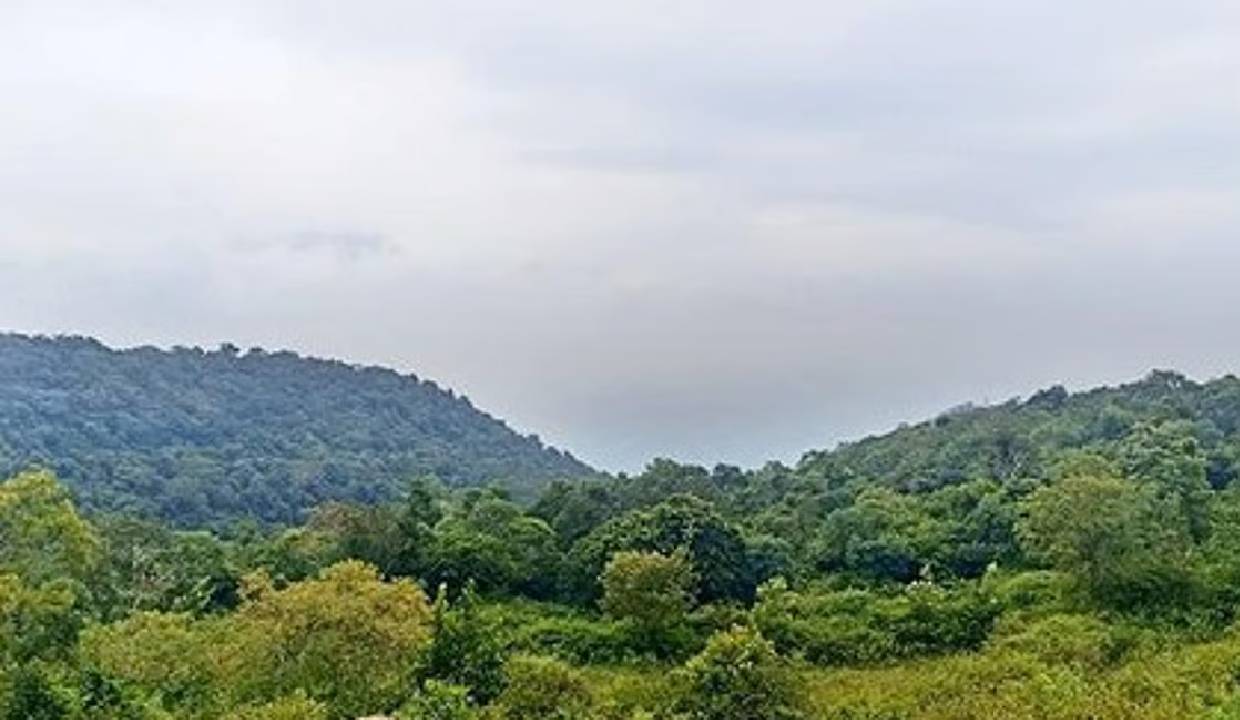
The Delhi government has declared 673.32 hectares of the Central Ridge area as Reserved Forest under the provisions of the Indian Forest Act, 1927, marking a major step toward strengthening ecological protection in the national capital.
According to an official statement, the notified area falls under the Western Forest Division and includes ecologically sensitive zones around Sardar Patel Marg and the President’s Estate.
Chief Minister Rekha Gupta said the decision is aimed at preserving Delhi’s Ridge areas, often referred to as the city’s “green lungs,” and enhancing long-term environmental sustainability.
Stronger legal protection for Ridge ecosystem
The notification grants statutory protection under Section 20 of the Indian Forest Act, ensuring strict restrictions on activities such as hunting, grazing, and other forms of ecological disturbance unless specifically permitted.
Officials stated that this move will help prevent encroachments, illegal activities, and degradation of forest land that has faced pressure from rapid urban expansion.
The Central Ridge, part of the ancient Aravalli hill system, plays a critical role in maintaining ecological balance, supporting groundwater recharge, and improving air quality in Delhi.
Long-pending legal process completed
The government noted that the Central Ridge was originally notified in 1994 under Section 4 of the Act, but final legal protection had remained pending for decades.
With the latest decision, the long-delayed process of granting full Reserved Forest status has now been completed, strengthening conservation efforts in the region.
Expansion of protected green cover
Earlier, around 4,080.82 hectares of the Southern Ridge were also declared Reserved Forest on October 24 last year. With the latest notification, a total of 4,754.14 hectares of Ridge land in Delhi now enjoys Reserved Forest status.
Authorities also announced plans for large-scale plantation drives using native species such as neem, peepal, shisham, jamun, tamarind, and mango to restore and enhance the Ridge ecosystem.
Environmental significance
Officials emphasized that the Ridge acts as a natural barrier against pollution, supports biodiversity, strengthens groundwater levels, and helps mitigate the impact of climate change in the urban landscape of Delhi.
The government stated that further notifications for remaining Ridge areas are being expedited to ensure complete ecological protection of the region.