Delhi cannot afford to lose the ridge
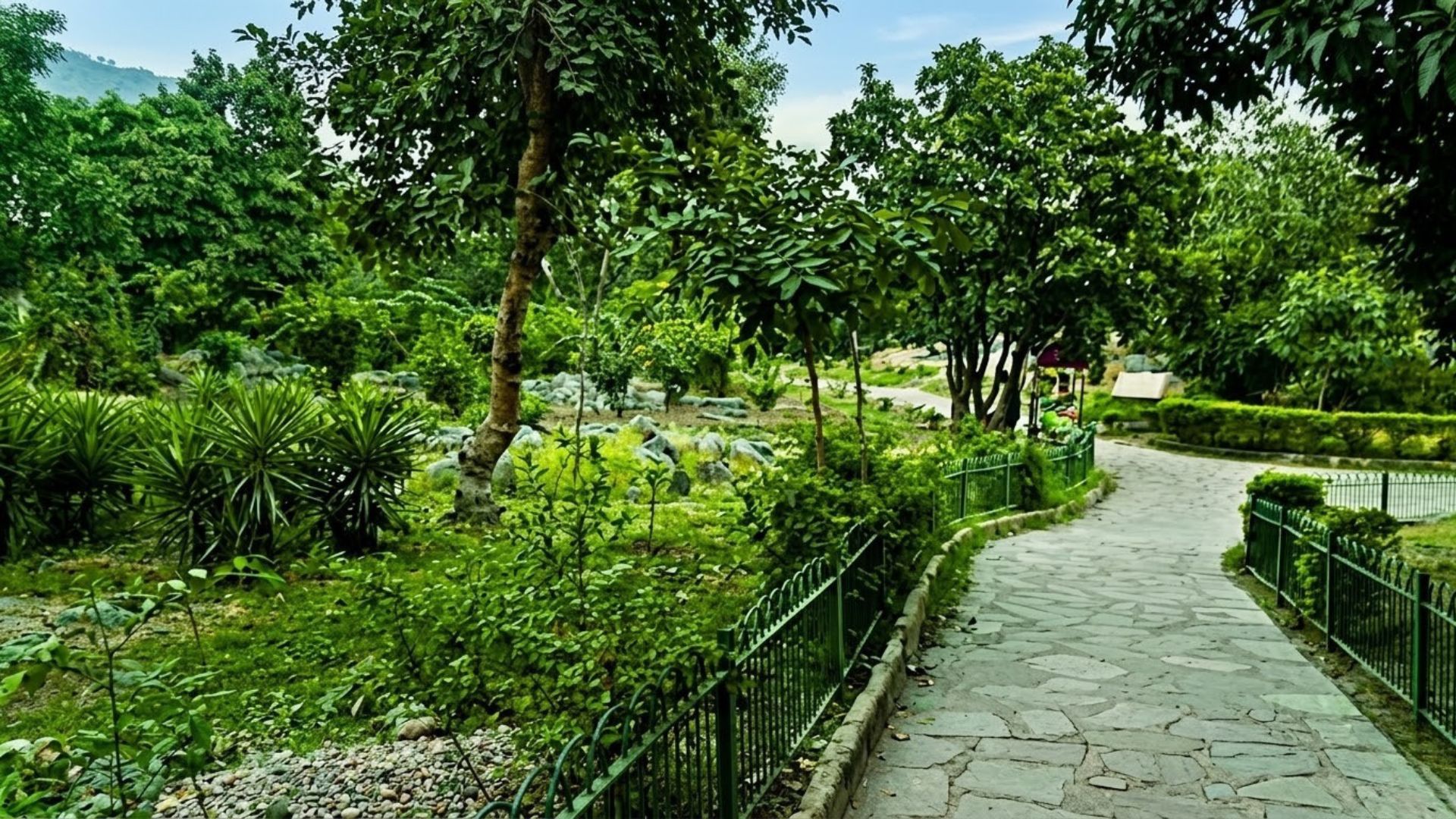
Many reports about the Delhi Forest Department planning a four-year exercise to clear invasive Kikar from the City Ridge have come to light. The plan identifies invasive species such as Prosopis juliflora, Leucaena leucocephala and Eucalyptus as threats to native biodiversity in ridge forest areas. Scientifically, it sounds like a great decision taken by the authorities for eco-restoration and enrichment plantation across about 6,303.55 hectares over four financial years.
The plan has already been approved by the Ministry of Environment, Forest and Climate Change and only needs approval of the Supreme Court.
What is concerning is the fact that in the last 2 decades, afforestation and compensatory afforestation have only happened on paper. Saplings planted during Van Mahotsavs or against trees cut for residential/commercial development or road and other infrastructure projects mostly do not see the light of day, and due to no maintenance and care, die slowly.
In cases of compensatory afforestation, most of the project developers never carry out the plantation itself. To overcome this shortcoming of individuals and companies not doing compensatory afforestation, the central government created a Compensatory Afforestation fund under the directions of the Honourable Supreme Court in 2009, but the subsequent audits by CAG and studies by environmental experts project a very dismal picture of underutilization and severe misuse of funds.
With air pollution slowly becoming an annual phenomenon from being seasonal, the ridge has always been a saviour for Delhi. As a part of the Aravallis, along with its green cover, it has acted as a wall, protecting Delhi from the dust storms from the Thar Desert. It also acts as an oxygenator and is home to innumerable living species of birds and animals.
One wonders why the Delhi Forest Department wants to first work on the ridge to clear the invasive species of trees when it has failed in the last many years to demarcate land for afforestation in Delhi. Before allowing any such clearing on the ridge, the Delhi Forest Department should be asked to do afforestation in vacant patches across Delhi’s colonies, along the roads & its midribs, inside parks and vacant forest areas, which should be identified and demarcated after spatial studies.
To cite an example, NBCC had claimed that the redevelopment of the seven colonies, viz. Nauroji Nagar, Netaji Nagar, Sarojini Nagar, Mohammadpur, Sriniwaspuri, Kasturba Nagar and Thyagaraj Nagar will lead to an increase in the green area coverage by about 3 times from the existing green space area, and the compensatory plantation of trees will be done in the ratio of 1:10, thereby resulting in enhanced tree coverage area.
During this redevelopment, more than 60000-70000 trees were cut in the heart of Delhi, whereas the government claims the numbers were much lower and the same were more than compensated through afforestation, compensatory afforestation and transplantation. A thorough audit should be carried out of at least one such project to evaluate how many saplings were planted, their survival rate and the survival rate of transplanted trees and whether they were actually transplanted in the first place.
By allowing the Delhi Forest Department to start a new project on the ridge will ring a much louder death knell for an already dying Delhi. Instead of working on the replacement of invasive species, the Delhi Forest should be directed to first plant saplings in parcels of vacant land, and protect them so that they become trees. A citizen’s committee should be appointed to oversee this plantation drive till these Delhi’s native species become mid-size trees with roots firmed up inside the ground. Only when the Delhi Forest Department is able to complete at least 25 lac trees is when it should get any access into the ridge where it claims it will plant 1 crore++ tree saplings, shrubs, climbers and bamboo saplings.
Designation: Independent contributor
Disclaimer: Views are personal
Leave a Comment
Comments (1)
Kikar must be removed. Ecologically, it is little better than a concrete forest. It has one of the deepest root systems in the world and extremely high transpiration rates, consuming even more water than eucalyptus. Its strong allelopathic properties suppress the growth of other plant species, creating sterile monocultures where neither birds nor animals thrive. Even native ant genera such as Lepisiota, Crematogaster, and Pheidole avoid kikar stands. As long as kikar forests remain, the emergence of a diverse, functional forest ecosystem is virtually impossible.