Dance of the decades
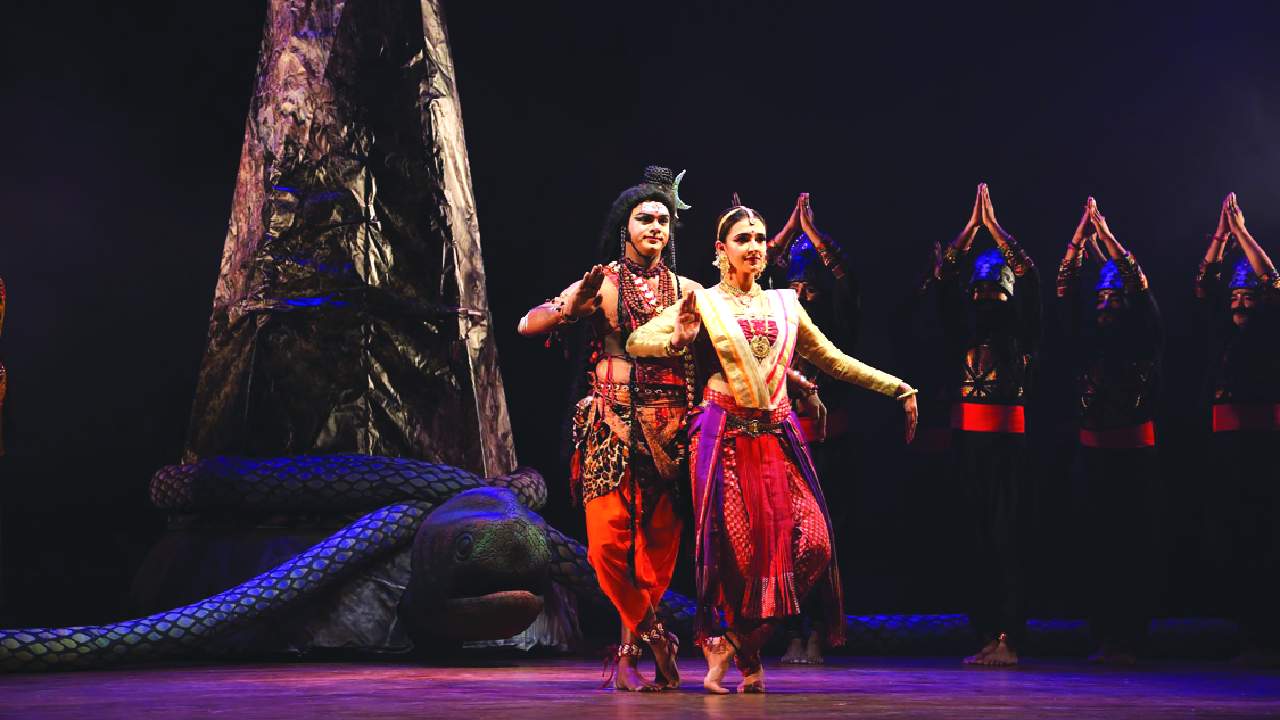
When ancient roots meet the daring reach of a new vision, art stops being a relic and begins to function as a conscience. The first phase of the five-day Festival of New Choreographies – KalaYatra 2026 concluded on a high note, leaving the capital’s audience in a state of quiet, reflective wonder. The Festival is a unique
presentation of ten new choreographies that reflect India’s civilisational soul through history, philosophy, and lived memory. Drawing from the scholarly vision of Sonal Mansingh, the Kamani Auditorium became a home for Bharat’s civilisational soul, expressed through daring and modern movements.
The journey began with Amrut-Manthan, a magnum opus by Sonal Mansingh and the CICD repertory that made ancient myth feel as real as the people sitting in the stalls. This energy deepened with Athijeevanam, where Guru TB Jagadeesan used the traditional weight of Kathakali to voice a modern cry for nature. The stage remained a kaleidoscope of regional genius, moving from the divine grace of Deepti Omchery Bhalla’s Naadaswarupaam Devim Maami to the thunderous, earthy vigour of Yakshagana in Girija Kalyana, directed by Guru Keremane Shivananda Hegde. By the third evening, the tragic, fated struggle of Guru Vaibhav Arekar’s Karna — Bound by fate and the lyrical Sattriya beauty of Sita Bibaha Bihar by Guru Bhabananda Barbayan proved that these forms remain our most potent language for the human condition.
Mansingh is hitting on a raw truth. Heritage only survives if we have the nerve to let it mutate because it cannot stay frozen under glass. With the second phase opening, the question shifts from the art to our own survival. As we migrate our entire lives into the cloud, are we actually prepared to scrap the ancestral vocabulary that anchors us? Or are we just letting it go by default?
January 28 features Duryodhana and Chakravyuha, dragging the classical ‘anti-hero’ into psychological drama. The January 29 finale pairs Saugandhikaharnam with the LGBTQ+ Rainbow Dance Troupe’s Matrika. By staging queer narratives with ancient Sanskrit drama, Mansingh proves inclusivity is an old tradition, not a new trend. As Sonal Mansingh, said, “Every new choreography carries the weight of tradition and the courage of renewal.”