CSKHPKV study highlights climate-smart rice farming
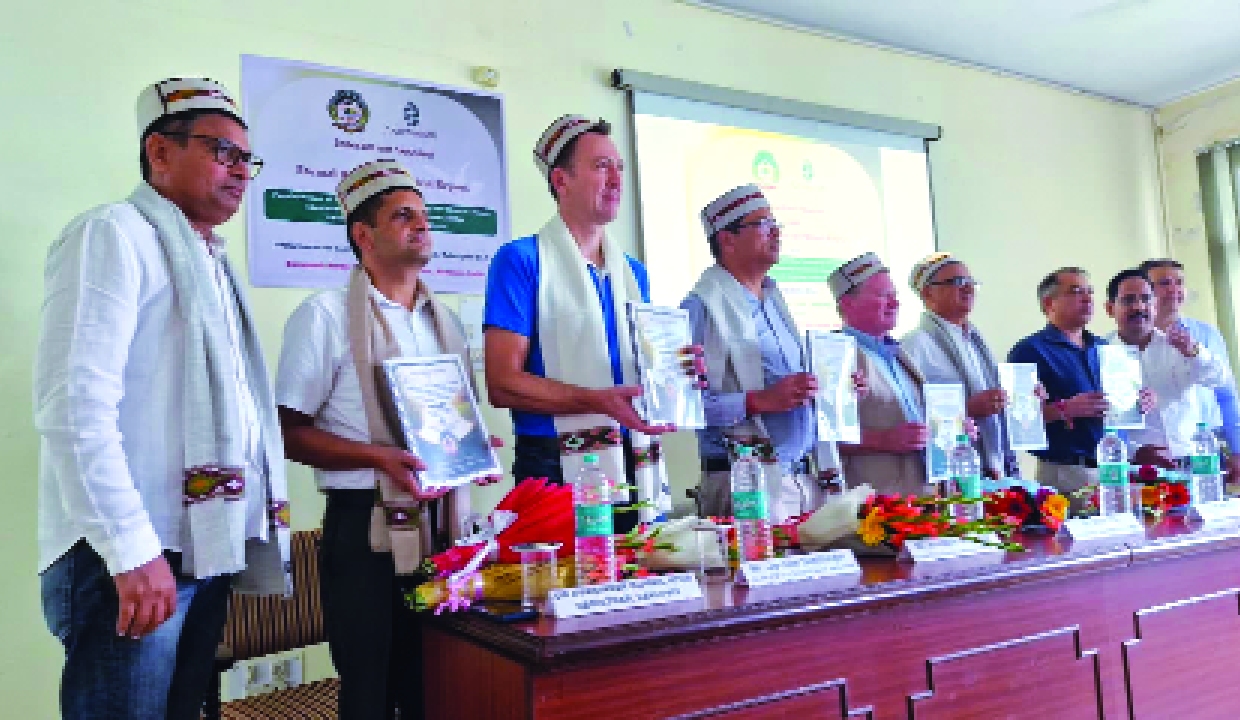
Himachal Pradesh’s Farm University, CSKHPKV, and Savannah Seeds, a leader in rice seed technology, today announced results from a multi-year study showing that direct-seeded SAVA-134 FullPage® can help make rice production more climate-smart and resource-efficient.
Compared with conventional transplanted rice systems, the approach reduced methane emissions by nearly 90%, delivered the highest water productivity, improved soil health, and showed the greatest potential for carbon credit generation.
Led by Dr Dhanbir Singh, Assistant Soil Chemist, Department of Soil Science, CSKHPKV, Palampur, and supported by Savannah Seeds, the research compared conventional transplanted rice with direct-seeded rice across multiple growing seasons. The assessment focused on yield, water use, GHG emissions, and soil health.
“This study is a strong example of a public-private partnership working to develop climate-resilient and sustainable farming practices,” said Dr Vinod Sharma, Director of Research, and CSKHPKV Palampur.
“Rice farmers are being asked to produce more food with fewer resources while also reducing environmental impacts,” said Ajai Rana, CEO & MD, Savannah Seeds. “This research demonstrates that innovation in crop genetics and production practices can help achieve both goals.”