Cross-border smuggling networks: Persistent threat to India’s security
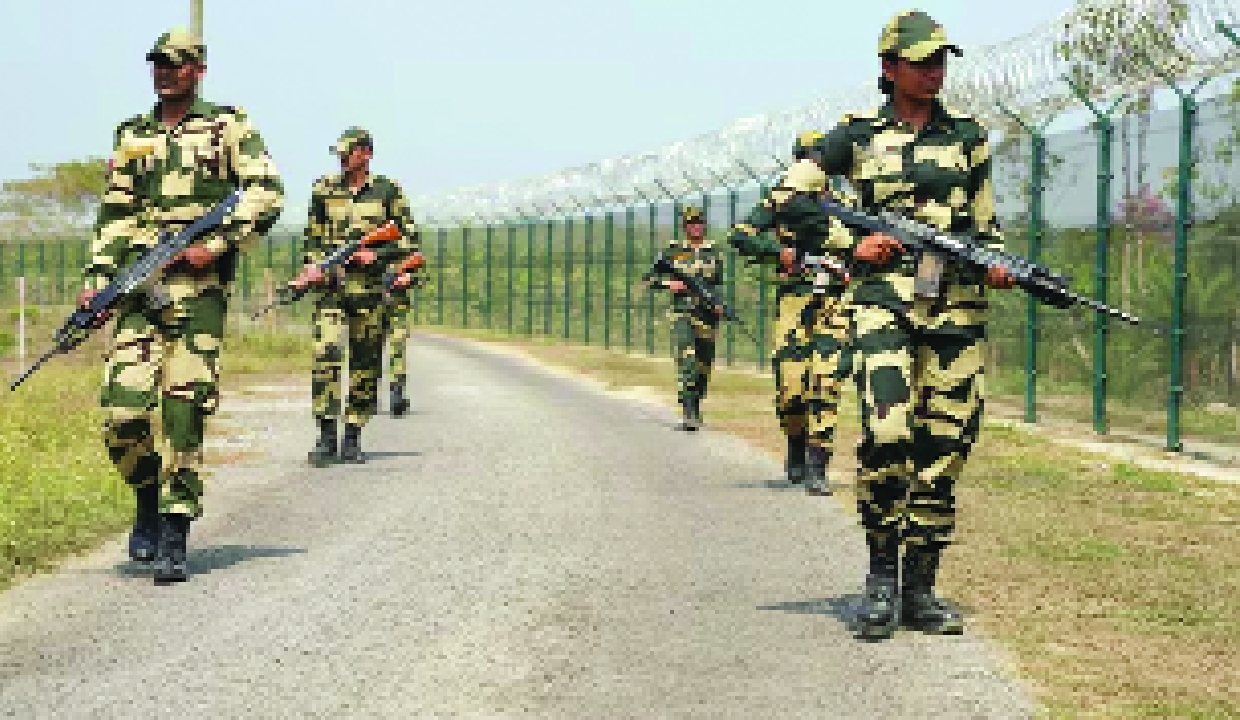
Cross-border smuggling networks operating along the India-Pakistan frontier continue to pose a significant challenge to national security, combining the illicit movement of narcotics, arms and explosives with elements of terrorism. These networks, often directed by handlers based across the border and supported by local associates in India, have been repeatedly highlighted in investigations by agencies such as the National Investigation Agency (NIA), Border Security Force (BSF) and Narcotics Control Bureau (NCB).
A recent example came on August 7, 2026, when the NIA charged two people with smuggling an improvised explosive device, a firearm, and heroin across the border. The plan included attacks in Punjab and Delhi and an attempt to target a passenger train. This case shows how these networks mix drug trafficking with gathering materials for violence. The NIA says its investigation is still ongoing to find more members and the routes used to move contraband.
These networks often use Punjab and Rajasthan as main entry points because they are close to the border. Much of the heroin comes from the Afghanistan-Pakistan region, and the money from this trade often funds terrorist activities in Jammu and Kashmir and Punjab. Parliament has confirmed that foreign groups use drug smuggling to raise money for terror groups in these areas.
In recent years, authorities have seen the problem grow. NCB data from 2025 shows a big increase in cases, especially in Punjab, where most aerial deliveries of contraband happen. Each year, hundreds of kilograms of drugs are seized in Punjab and nearby areas, showing both the scale of smuggling and the strong response from law enforcement. At the same time, foreign-made weapons are also being found, highlighting how arms and drugs often move together.
The effects go beyond security. Large amounts of narcotics entering border states cause public health problems, especially in Punjab, where addiction is a major issue. The illegal trade also hurts the economy by undermining legal businesses and creating hidden funds that support organised crime and extremism. These networks also threaten national security by enabling attacks that disrupt public order and important infrastructure.
Indian agencies have increased their efforts. The NIA, BSF, state police, and the Enforcement Directorate (ED) are working together and have made several arrests, seized large amounts of goods, and disrupted money trails. They are trying to find handlers in Pakistan, local contacts, and distribution networks in different States. They are also checking other possible routes, such as those on the western coast. Using technology and sharing intelligence are important parts of their work, with the main goal of breaking up the smuggling networks.
Even with these successes, the networks keep adapting, so the problem continues. Cases like the recent NIA investigation show that ongoing vigilance, interagency cooperation, and strong legal action under laws like the Unlawful Activities (Prevention) Act (UAPA) and the Narcotic Drugs and Psychotropic Substances (NDPS) Act remain essential.
Tackling the connections between smuggling, organised crime, and terrorism is vital to protect India’s borders and internal security, security experts say.