Court’s rejection of State’s plea in Akhlaq lynching case restores faith in justice system, say experts
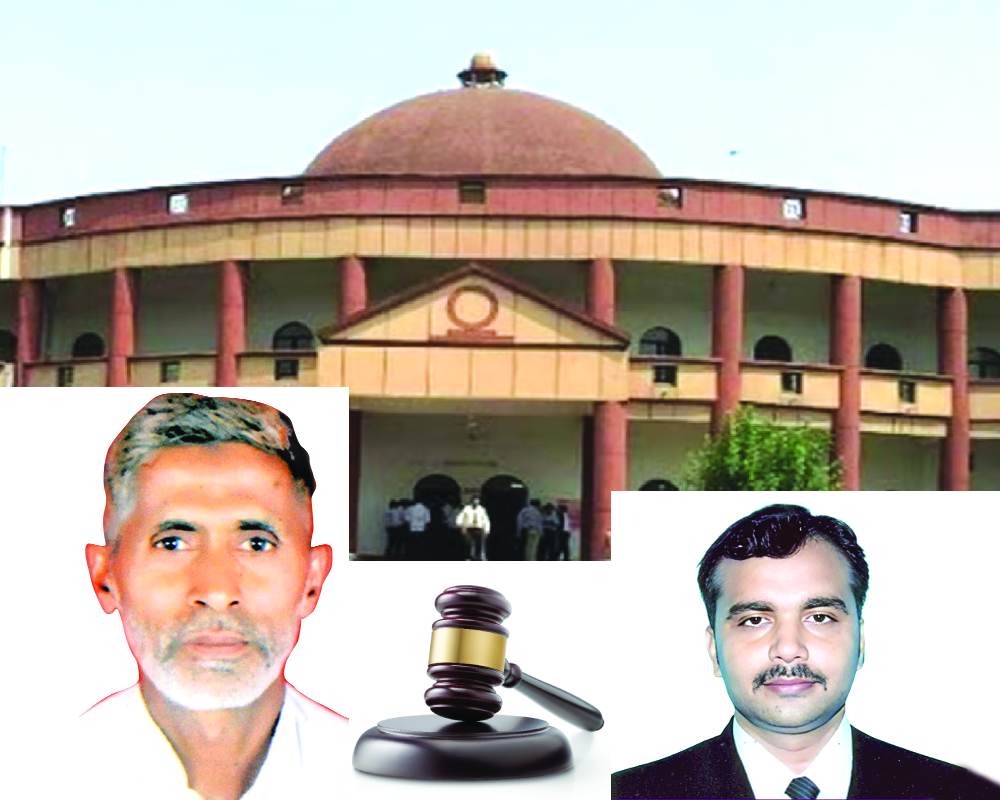
December 23, 2025, is a landmark moment for the Indian judiciary. A Court in Uttar Pradesh has set a major precedent, especially in cases where judicial independence is tested against executive (State) power. The case was the 2015 Mohammed Akhlaq lynching of Dadri, in which the Surajpur Court in GautamBudh Nagar rejected the Uttar Pradesh Government’s attempt to withdraw the case in which the Muslim man was killed over suspicions of cow slaughter and beef consumption.
Additional District Judge Saurabh Dwivedi, who dismissed the plea, calling it “baseless” and lacking legal merit, acted as a “check and balance” by scrutinising the State’s move to drop charges, ensuring that the executive branch cannot unilaterally end a murder trial without merit.
The decision and court’s observation that “murder is a grave offence against society, and for this reason, the State prosecutes such cases so that the fear of law is maintained in society,” has come for appreciation from legal experts like Senior Advocates SiddharthLuthra and VikasPahwa.
Both Luthra and Pahwa, who are experts in criminal law, stated that the withdrawal of cases involving serious offences cannot be based on political or administrative reasons.
Luthra said withdrawal of prosecution is an “extreme step” and the Public Prosecutor has to decide under Section 321 of the Code of Criminal Procedure, and “in any crime, withdrawal is permitted if there is a social purpose. This was not apparent (in the present case). A political decision cannot be the basis for withdrawal of prosecution.”
Welcoming the trial court decision to dismiss the Prosecution’s application, Pahwa said, “I feel that the Criminal justice cannot be subordinated to political or administrative considerations.” “The State Government’s decision to seek withdrawal was legally untenable,” he said, adding that “Once a chargesheet has been filed, charges have been framed, and the trial is underway, withdrawal under Section 321 CrPC can be permitted only in the rarest of circumstances and strictly in public interest. The Court has rightly found that the reasons cited by the State — such as alleged inconsistencies in evidence — are matters for trial and adjudication, not grounds for abandoning prosecution altogether.”
Pahwa said as far as the State is concerned, the lawful course now is clear: to proceed with the trial in accordance with law, assist the prosecution, ensure witness protection, and allow the court to decide the matter on merits.” The State Government had cited “social harmony” and alleged “inconsistencies” in witness statements as reasons for the withdrawal.
The victim’s family and complainants opposed the prosecution’s application, alleging that the plea was based on misleading facts and was contrary to social harmony. They alleged that the application in question is motivated by political reasons in the matter of serious offences. Pahwa said the decision reaffirms a fundamental principle of criminal jurisprudence, viz that offences like murder, particularly arising out of mob violence, are crimes against society and cannot be treated as matters of executive discretion or convenience. “There are very few, if any, credible precedents where prosecutions for offences under Section 302 IPC have been withdrawn at such an advanced stage, and courts across the country have consistently cautioned against executive overreach in serious criminal cases,” the senior advocate said.
Pahwa said recent judicial trends clearly show that attempts to withdraw cases involving grave offences, communal violence, or public disorder are being subjected to strict scrutiny and often rejected.
“Allowing withdrawal in a case of this nature would have caused immense hardship and injustice to the victim’s family. They have already suffered the trauma of loss and prolonged litigation. Forcing them to repeatedly approach courts to oppose the State’s own attempt to abandon prosecution would amount to further harassment and a denial of meaningful access to justice,” the senior advocate said.
“The Court’s order protects them from that ordeal and restores faith in the justice delivery system,” Pahwa said, adding that “This order sends a strong message that the rule of law must prevail over expediency, and that the State has a duty not only to maintain order but also to stand with victims of grave crime. The judiciary has once again acted as the constitutional sentinel, ensuring that justice is neither diluted nor derailed.”
Since politics has already erupted over the outcome of the application, Luthra is of the view that the State Government may make an attempt before the Allahabad High Court by challenging the order of the Surajpur Court (Greater Noida), which said the evidence provided so far, including the testimony of Akhlaq’s daughter, supports the prosecution’s case. Minor contradictions in early police statements are common in such traumatic events and do not justify dropping a murder charge, the judge observed while categorising the case as “most important.”
While dismissing the State Government’s application, the Court noted that charges had already been framed in the case and that the witnesses in their police statements had supported the prosecution’s case.
It held that an examination of these statements did not indicate that the prosecution’s case had been demolished. Rather, the evidence supported the prosecution’s version of events, the Court remarked.
While rejecting the State’s plea, the Court noted that the case had been pending since 2015, despite the charges being framed in 2021. The Court has directed that the trial proceeds on a day-to-day basis to ensure an expedited verdict, nearly a decade after the incident occurred. The judge has ordered the Police Commissioner of GautamBudh Nagar and the DCP of Greater Noida to ensure the absolute safety and security of all witnesses and to protect the physical evidence related to the case. There are 14 surviving accused currently out on bail (originally 18 were arrested, including three minors; one died in 2016). The main accused include Vishal Rana, the son of a local political leader.
The 2015 Dadri mob attack remains one of India’s most high-profile cases of vigilante violence. After villagers accused Mohammad Akhlaq’s family of storing beef, a mob stormed their home, killing the 50-year-old and leaving his son fighting for his life.
The case took a controversial turn this past August when the Uttar Pradesh Government sought to drop all charges against the accused, citing their constitutional rights as a justification for ending the prosecution.